
Best Soil Mix for Succulents Indoors (Avoid This Common Mistake)
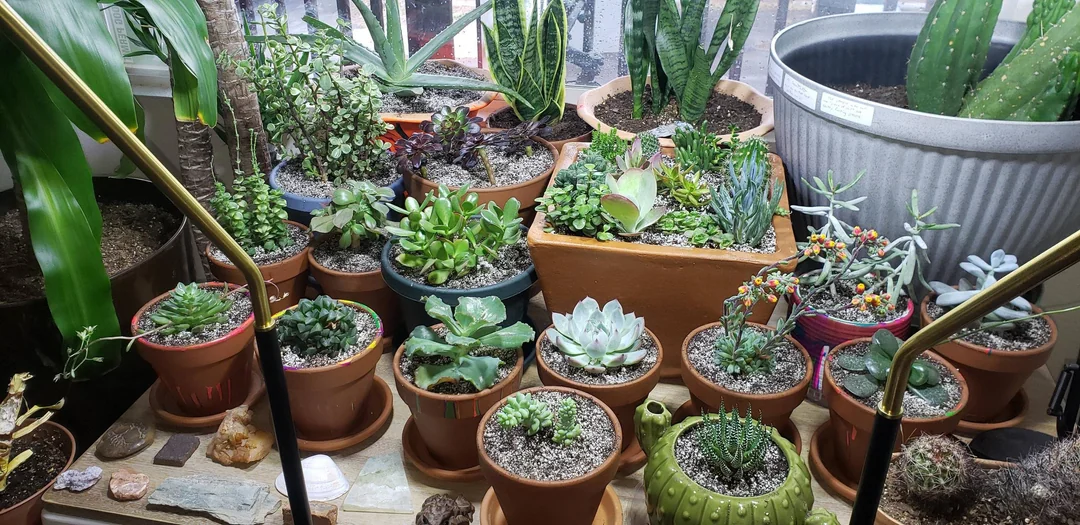
You can buy the prettiest succulent in the garden center, place it in the perfect ceramic pot, and give it premium sunlight near your favorite window. But if the soil is wrong, the plant will still struggle like a cactus trapped in a wet sponge. Which, unfortunately, is exactly what happens in many indoor homes.
The right Soil Mix for Succulents can be the difference between a thriving indoor plant collection and a shelf full of struggling succulents. Most succulent problems indoors begin below the surface. Yellow leaves, root rot, fungus gnats, mushy stems, and slow growth are often blamed on watering habits when the real issue is soil that holds moisture for far too long.
The truth is simple: succulents need a completely different soil setup indoors than regular houseplants. Standard potting soil is designed to retain moisture, while succulents need soil that drains quickly and allows roots to breathe.
If your plant keeps dying despite your best efforts, your soil mix may be silently sabotaging everything.
This guide breaks down the best succulent soil mix indoors, explains which ingredients actually matter, and reveals the common mistake that kills more succulents than beginners realize.
Why Indoor Succulents Need Special Soil
Succulents evolved in dry climates where water drains quickly through rocky or sandy ground.
Indoors, things work differently.
There’s:
- Less airflow
- Slower evaporation
- Lower heat
- Less direct sunlight
Which means moisture stays trapped in pots much longer than people expect.
Regular potting soil becomes dangerous because it holds water around the roots for too long. Succulent roots hate sitting in damp conditions. They prefer brief watering followed by long dry periods. Emotionally unavailable plants, basically.
That’s why the right succulent soil mix indoor setup matters so much.
The Biggest Mistake People Make With Succulent Soil
Using regular indoor potting mix without adding drainage material.
That’s it.
That’s the mistake quietly destroying thousands of innocent succulents sitting beside kitchen windows across the world.
Standard potting soil is designed for moisture-loving plants. It stays rich and damp for long periods, which works great for tropical plants but becomes a disaster for succulents.
The roots slowly suffocate, bacteria spreads, and root rot begins underneath the soil before visible symptoms even appear.
By the time leaves turn yellow or mushy, damage has often already started.
What Makes a Good Succulent Soil Mix Indoors?
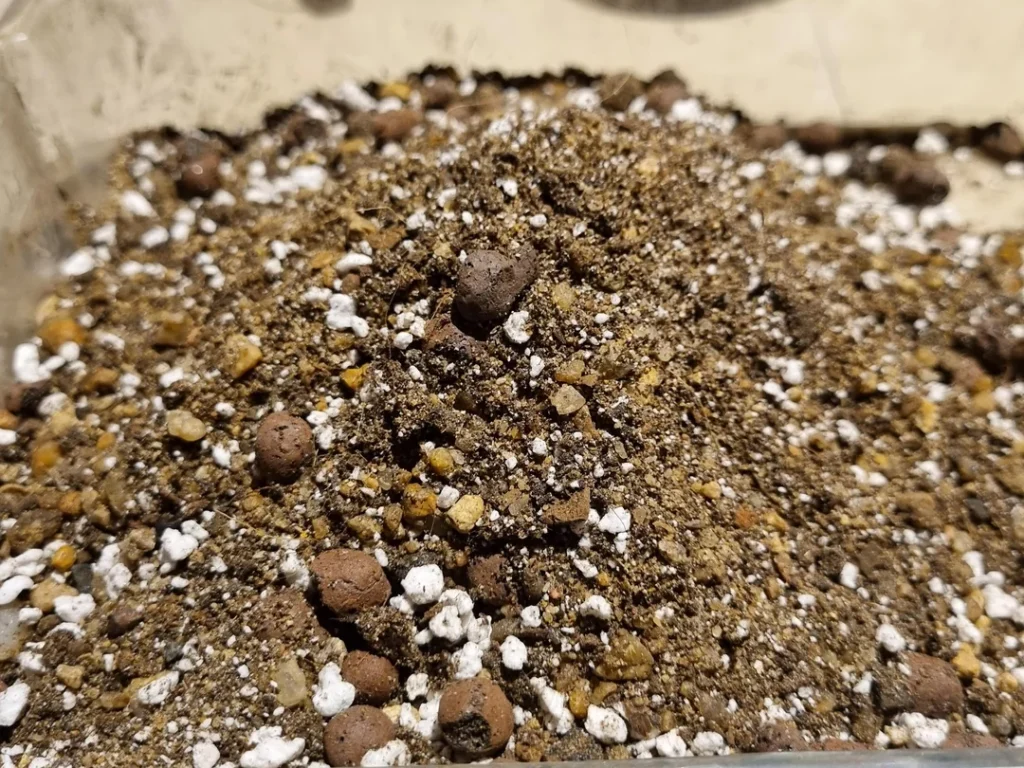
A proper succulent soil mix should dry quickly after watering while still holding enough moisture for short-term hydration.
The ideal mix feels:
- Loose
- Gritty
- Airy
- Fast-draining
You never want dense, compact, muddy soil.
If the mix stays wet for several days indoors, it’s too heavy.
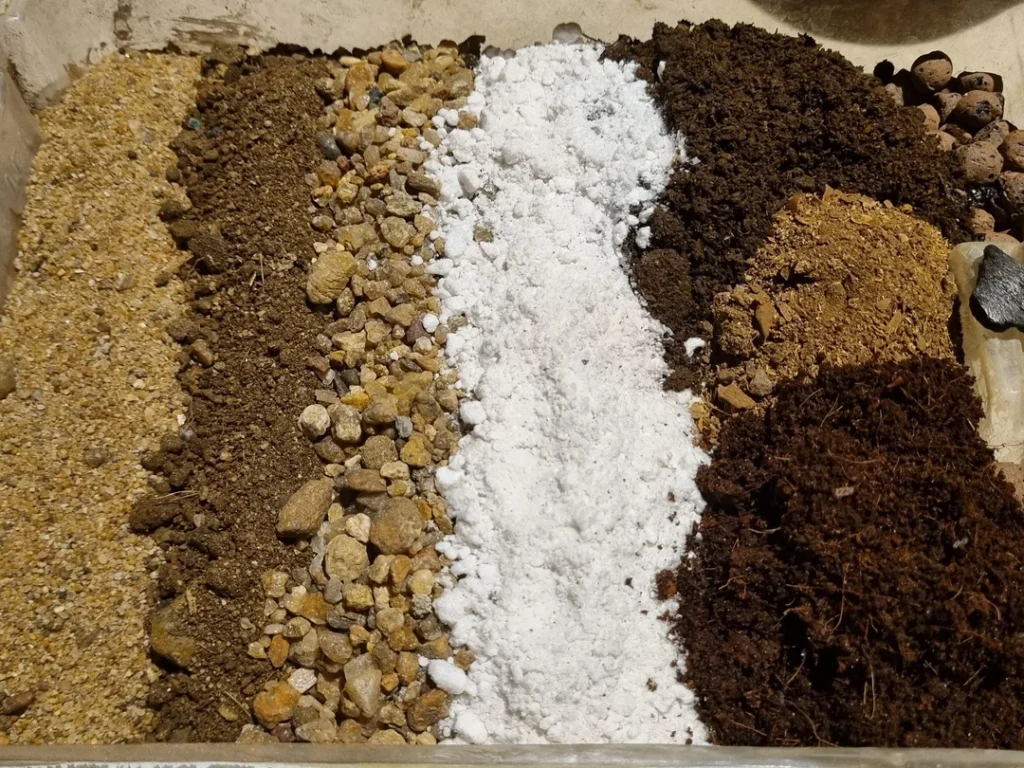
The Best DIY Succulent Soil Mix Indoor Growers Can Use
You don’t need expensive specialty blends.
One of the best indoor succulent soil recipes is surprisingly simple:
- 2 parts cactus potting soil
- 1 part perlite
- 1 part coarse sand or pumice
This combination creates airflow around the roots while allowing excess water to drain quickly.
The result:
- Healthier roots
- Faster drying
- Less fungal growth
- Lower risk of root rot
Tiny desert plants survive because of crushed rocks and strategic neglect. Nature truly improvises.
Why Perlite Matters So Much
Perlite is one of the most important ingredients in succulent soil.
Those little white pieces may look like packing foam, but they dramatically improve drainage and airflow.
Perlite helps:
- Prevent soggy soil
- Reduce root rot
- Keep soil lightweight
- Improve oxygen flow
Without drainage material like perlite or pumice, indoor succulent soil often becomes compacted over time.
And compact soil is basically a slow-motion disaster for succulents.
Sand vs Pumice: Which Is Better?
Both improve drainage, but they work differently.
Coarse Sand
Coarse sand helps break up dense soil and improves water flow.
However, fine sand should be avoided because it can actually compact the mix even more.
The keyword is coarse. Succulents do not want beach dust packed around their roots like concrete.
Pumice
Pumice is lightweight volcanic rock that improves drainage while maintaining airflow.
Many succulent growers prefer pumice because:
- It doesn’t compact easily
- It improves aeration
- It lasts longer in soil mixes
If available, pumice is often the better long-term option for indoor succulents.
Should You Use Store-Bought Succulent Soil?
Yes, but carefully.
Not all commercial “succulent mixes” are actually good for indoor conditions.
Some still contain too much peat moss and organic material, which means they stay wet longer than expected.
Even with store-bought cactus soil, many experienced plant owners still add:
- Extra perlite
- Pumice
- Coarse sand
Because indoor environments need even faster drainage than outdoor setups.
Plants indoors already deal with limited airflow. Humans trapped them inside decorative pottery and now everyone’s pretending this is natural.
Signs Your Succulent Soil Is Too Dense
Your soil may be holding too much moisture if you notice:
- Wet soil after several days
- Fungus gnats around the pot
- Yellow lower leaves
- Mushy stems
- Mold on the soil surface
- Slow growth
- Root rot smell
Healthy succulent soil should dry relatively quickly after watering.
If it stays damp for a week indoors, your mix likely needs adjustment.
The Best Pots for Indoor Succulents
Even perfect soil can fail inside the wrong pot.
Terracotta pots are usually the best option because they naturally absorb excess moisture through the clay walls.
This helps the soil dry faster and reduces overwatering risk.
Plastic and glazed ceramic pots hold moisture much longer, which isn’t always ideal indoors.
If you use decorative containers, drainage holes are absolutely necessary.
No drainage hole means water collects silently at the bottom while your succulent begins its slow collapse beneath the surface. Very cinematic. Very preventable.
How Often Should Indoor Succulent Soil Be Replaced?
Over time, succulent soil breaks down and becomes more compact.
Most indoor succulents benefit from fresh soil every:
- 1 to 2 years
Fresh soil improves:
- Drainage
- Airflow
- Root health
- Nutrient balance
If your succulent suddenly struggles despite proper watering, old compacted soil may be part of the problem.
Can Succulents Grow in Just Rocks?
Not really.
Decorative rocks on top of the soil are fine, but succulents still need a proper root-supporting mix underneath.
Roots require:
- Airflow
- Some moisture retention
- Nutrients
- Stability
Pure rock setups usually create more problems unless carefully designed for specific environments.
How to Water Succulents in Fast-Draining Soil
One mistake people make after switching to gritty soil is underwatering.
Fast-draining soil does not mean tiny amounts of water.
Instead:
- Water deeply
- Let excess drain fully
- Wait until soil becomes completely dry
- Repeat
Succulents prefer deep soaking followed by dry periods rather than constant shallow watering.
Oddly enough, they thrive on extremes. Minimalism with trust issues.
Signs Your Succulent Soil Needs to Be Changed
Many succulent owners continue watering less and less when their plants look unhealthy, not realizing the real problem is the soil itself. If the soil remains compact, heavy, or moisture-retentive, even perfect watering habits won’t save your plant.
Watch for these warning signs:
- Water sits on top of the soil before soaking in.
- The soil stays damp for more than a week.
- Leaves become soft or translucent.
- Lower leaves turn yellow repeatedly.
- Fungus gnats appear around pots.
- The plant stops producing new growth.
- A musty smell develops near the roots.
Another easy test is to observe how quickly water drains from the pot. Healthy succulent soil should allow excess water to flow through within seconds. If water pools on the surface or drains very slowly, the soil is likely too dense.
It’s also important to consider your indoor environment. Homes typically have lower airflow than outdoor spaces. Combined with humidity and limited sunlight, dense soil becomes even more problematic because it takes longer to dry out.
Many store-bought succulents arrive planted in nursery soil designed for mass production, not long-term indoor growth. While the plant may look healthy initially, problems often develop a few weeks or months later once the roots remain consistently damp.
Changing the soil may feel intimidating, but it is often the fastest way to revive a struggling succulent. Fresh, fast-draining soil gives roots access to oxygen, improves nutrient uptake, and dramatically reduces the risk of rot.
If your succulent has been declining despite proper care, don’t overlook what’s happening beneath the surface.
Final Thoughts
The right succulent soil mix indoor growers use can completely change plant health.
Most succulent deaths indoors don’t happen because the plant is “hard to care for.” They happen because the soil stays wet too long around roots that were never designed for constant moisture.
Once you switch to:
- Fast-draining soil
- Extra airflow materials
- Proper drainage pots
Everything becomes easier.
Healthier roots. Faster growth. Fewer yellow leaves. Less panic-Googling at midnight while holding a dying cactus over the sink.
Honestly, good succulent care is mostly about learning when to stop treating desert plants like tropical houseguests.

Sophie Bennett
Sophie Bennett is a Plant lover, chronic propagator, and firm believer that every room needs at least one Monstera. She writes about plant care, styling, and the joy of bringing the outdoors in keeping it honest, simple, and always beginner friendly.
Sophie Bennett
Sophie Bennett is a Plant lover, chronic propagator, and firm believer that every room needs at least one Monstera. She writes about plant care, styling, and the joy of bringing the outdoors in keeping it honest, simple, and always beginner friendly.
Get more inspiration
Subscribe for weekly plant care tips, grow guides, and fresh inspiration delivered straight to your inbox.