
Snake Plant Yellow Leaves: 10 Easy Fixes That Actually Work
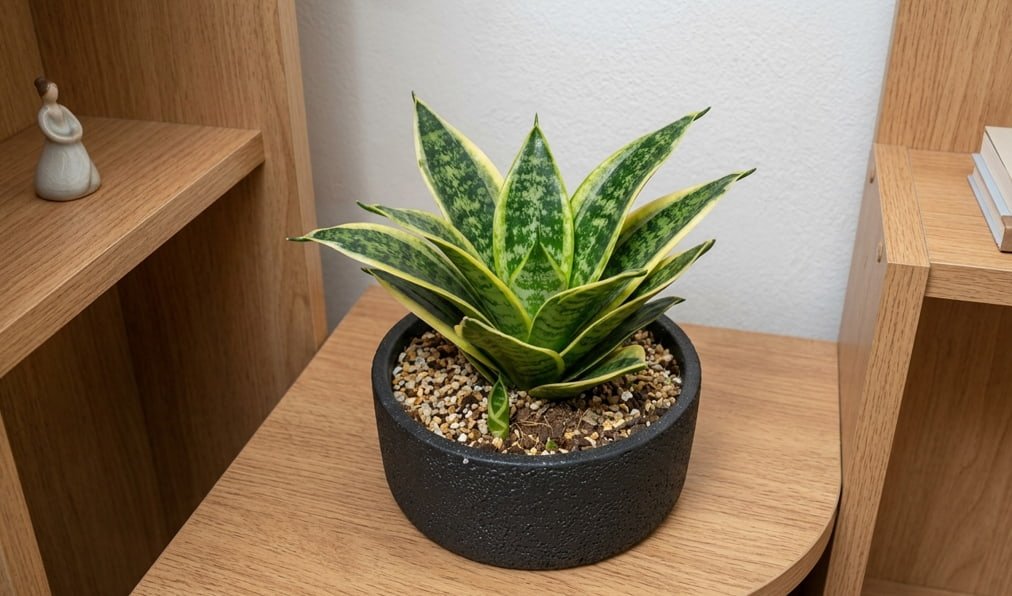
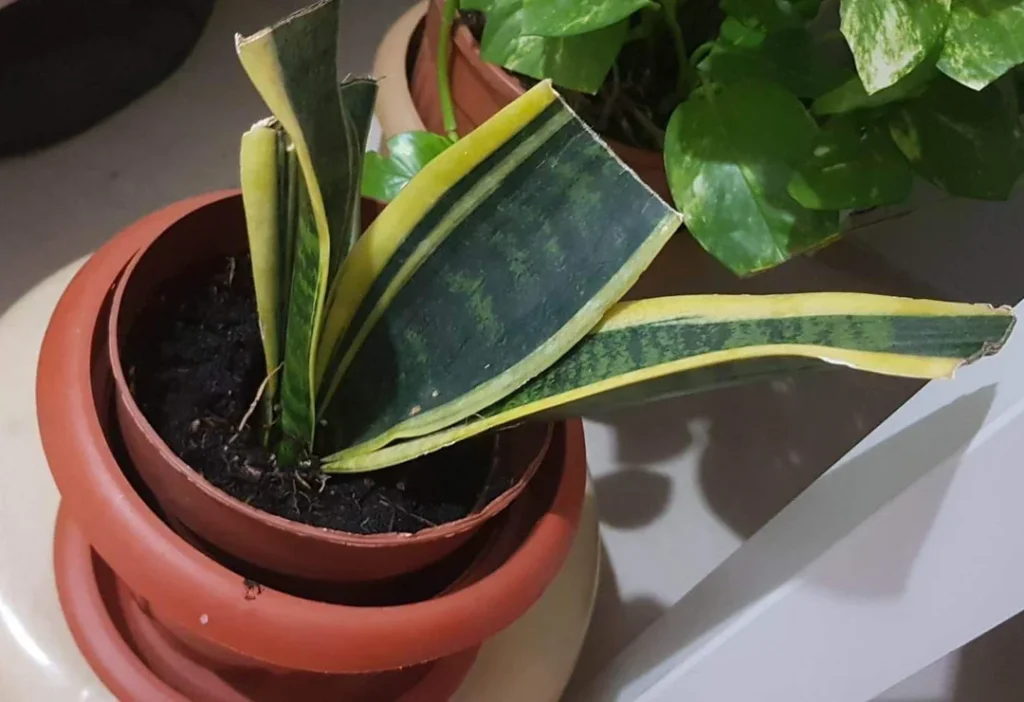
Snake plant yellow leaves are one of the most common problems plant owners face, but the good news is that they’re usually easy to fix. From overwatering and poor drainage to lighting issues and nutrient deficiencies, several factors can cause your snake plant to turn yellow. In this quick guide, you’ll learn exactly what’s causing the problem and the simple steps to restore your plant’s healthy green growth.
Have you noticed your snake plant looking less vibrant lately? If you’re seeing snake plant yellow leaves, don’t panic, this is one of the most common issues plant owners face. The good news is that yellowing leaves are usually a sign that your plant is asking for help, and in most cases, the problem can be fixed quickly.
Whether you’re a beginner plant parent or a seasoned indoor gardener, this guide will help you identify the cause, apply the right solution, and get your snake plant back to its healthy, green glory.
Why Are Snake Plant Yellow Leaves Appearing?
Snake plants are known for being nearly indestructible. They tolerate neglect, low light, and irregular watering better than most houseplants. In fact, according to the Missouri Botanical Garden, snake plants can adapt to a wide range of indoor growing conditions, making them one of the most popular choices for beginners.
However, even these hardy plants have their limits. When their environment becomes overly stressful, they begin to show warning signs, and yellow leaves are often the first clue that something isn’t quite right.
Understanding the root cause is the key to saving your plant. Let’s explore the most common reasons behind snake plant yellow leaves and how to fix them.
1. Overwatering: The #1 Cause of Yellow Snake Plant Leaves
If there’s one mistake that kills more snake plants than anything else, it’s overwatering.
Snake plants store water in their thick leaves, making them naturally drought-tolerant. When the soil remains wet for too long, the roots begin to suffocate and rot.
Signs of Overwatering
- Yellow leaves that feel soft or mushy
- Drooping foliage
- Black or brown spots near the base
- Soil that stays wet for several days
- Foul smell coming from the pot
Quick Fix
- Stop watering immediately.
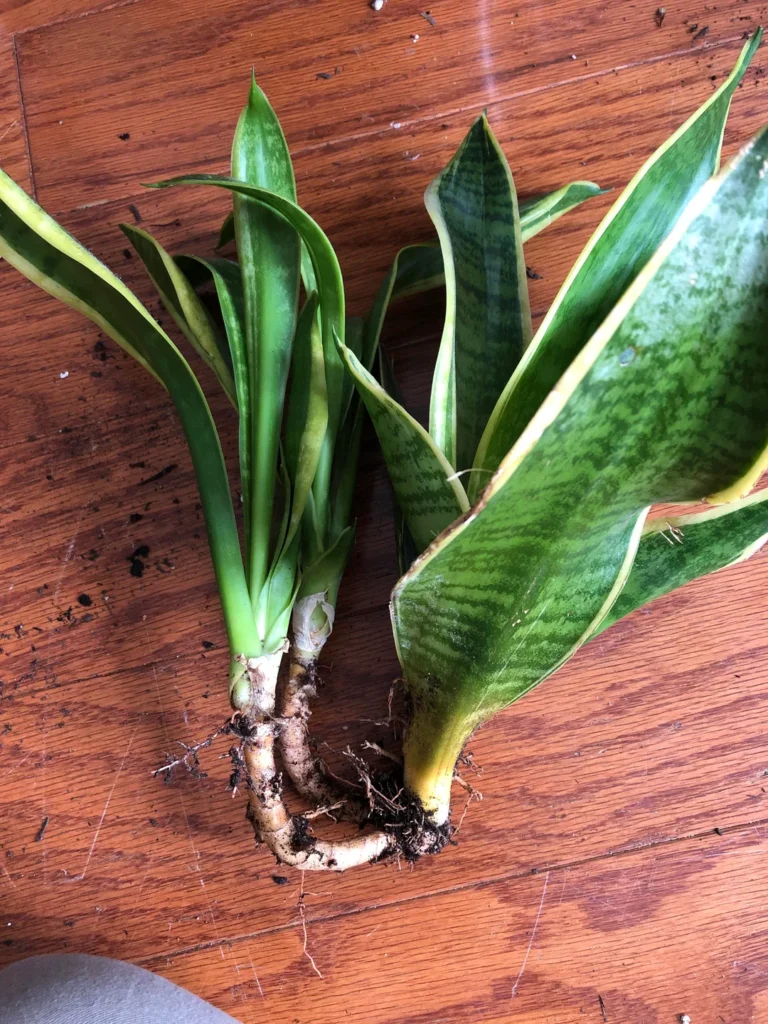
- Remove the plant from the pot.
- Inspect roots for rot.
- Cut away black or mushy roots.
- Repot in fresh, well-draining soil.
- Wait about a week before watering again.
Pro Tip: Always let the soil dry completely before watering your snake plant.
2. Poor Drainage Is Suffocating the Roots
Even if you’re watering correctly, poor drainage can create the same problems as overwatering.
A decorative pot without drainage holes traps excess moisture, causing root stress and yellow leaves.
Signs of Poor Drainage
- Water pooling at the bottom
- Constantly damp soil
- Yellowing lower leaves
- Slow growth
Quick Fix
Choose a pot with drainage holes and use a cactus or succulent soil mix. Adding perlite can further improve drainage.
A healthy root system is the foundation of healthy leaves.
3. Underwatering Can Also Cause Yellow Leaves
Many people assume yellow leaves automatically mean too much water. Surprisingly, underwatering can create similar symptoms.
When a snake plant goes too long without moisture, it begins conserving resources, causing older leaves to yellow and die off.
Signs of Underwatering
- Dry, compacted soil
- Wrinkled leaves
- Crispy leaf edges
- Slow growth
Quick Fix
Give the plant a deep watering and allow excess water to drain completely. Then establish a consistent watering schedule.
Typically, snake plants need water every 2–6 weeks depending on the season and indoor conditions.
4. Too Much Direct Sunlight
Snake plants enjoy bright conditions, but intense afternoon sunlight can damage their leaves.
When exposed to harsh sun for long periods, leaf tissue becomes stressed and starts turning yellow.
Signs of Sun Damage
- Yellow patches on exposed leaves
- Brown, crispy edges
- Faded appearance
Quick Fix
Move the plant to a location with bright, indirect light.
Ideal spots include:
- East-facing windows
- North-facing windows
- Rooms with filtered sunlight
This simple change often stops further yellowing.
5. Low Light Stress
While snake plants tolerate low-light environments, they don’t thrive in dark corners forever.
Insufficient light can weaken the plant over time and contribute to discoloration.
Signs of Low Light Problems
- Pale green foliage
- Yellowing leaves
- Leaning growth
- Slower development
Quick Fix
Relocate your snake plant closer to a natural light source. Bright indirect light is the sweet spot for healthy growth.
6. Temperature Shock
Snake plants prefer stable indoor temperatures.
Sudden cold drafts, air conditioning vents, or heat sources can stress the plant and trigger yellow leaves.
Warning Signs
- Yellowing occurring suddenly
- Curling leaves
- Soft spots
- Growth slowdown
Quick Fix
Keep your snake plant in temperatures between 65°F and 85°F (18°C to 29°C).
Avoid placing it near:
- Air conditioners
- Heaters
- Drafty windows
- Exterior doors
Consistency is key.
7. Root Bound Conditions
Snake plants enjoy being slightly root-bound, but eventually they outgrow their containers.
When roots become overcrowded, the plant struggles to absorb nutrients and water effectively.
Signs Your Plant Needs Repotting
- Roots growing through drainage holes
- Soil drying extremely fast
- Yellowing leaves
- Cracked pots
Quick Fix
Repot into a container that is only 1–2 inches larger than the current pot.
Avoid oversized pots, which can retain excess moisture.
8. Nutrient Deficiencies
Although snake plants aren’t heavy feeders, they still need occasional nutrients to stay healthy.
A lack of essential minerals can result in yellow foliage and reduced growth.
Signs of Nutrient Deficiency
- Overall yellow appearance
- Weak growth
- Smaller leaves
Quick Fix
Apply a balanced houseplant fertilizer during spring and summer.
Feed sparingly, about once every 4–6 weeks during active growth.
Too much fertilizer can create new problems, so less is more.
9. Fertilizer Burn
Ironically, overfeeding can cause yellow leaves too.
Excess fertilizer creates a buildup of salts in the soil, damaging the roots.
Signs of Fertilizer Burn
- Yellow leaves with brown tips
- White crust on soil surface
- Weak growth
Quick Fix
Flush the soil thoroughly with water to remove excess salts.
Pause fertilizing for several months before resuming a lighter feeding schedule.
10. Natural Aging
Sometimes yellow leaves aren’t a problem at all.
Older snake plant leaves naturally age and die over time. If only one or two leaves are yellowing while the rest of the plant looks healthy, aging is likely the cause.
Signs of Natural Aging
- One or two older leaves affected
- Healthy new growth
- No signs of disease
Quick Fix
Simply trim off the yellow leaves using clean scissors.
No additional treatment is necessary.
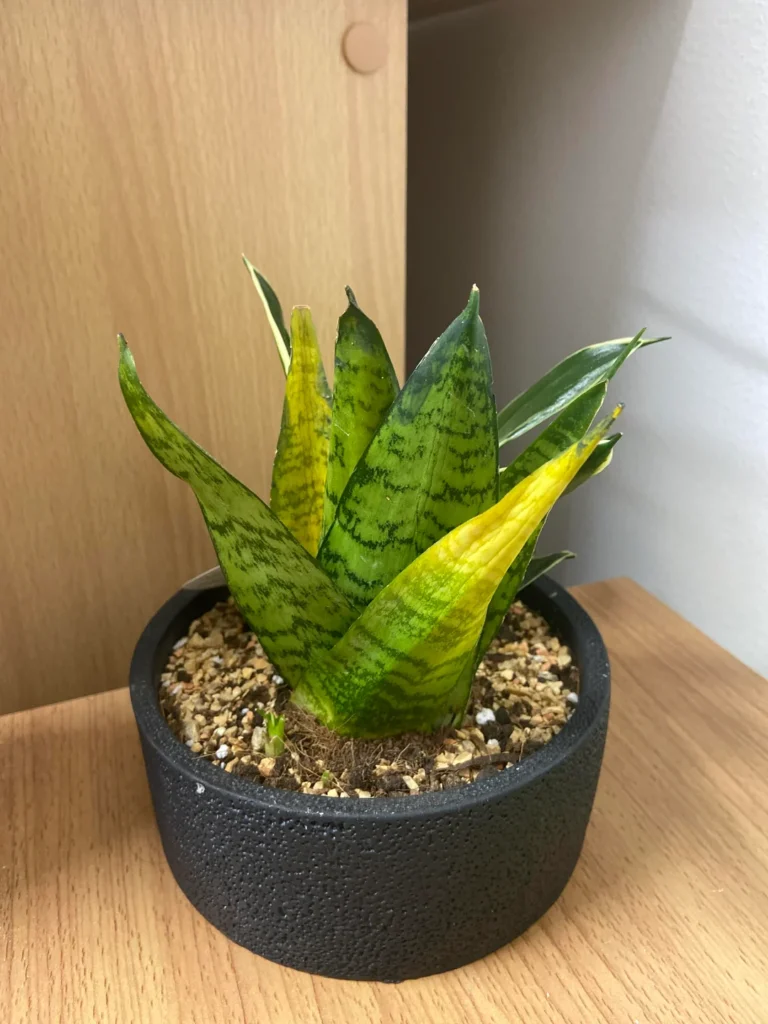
How to Save a Snake Plant With Yellow Leaves
If your snake plant is already showing significant yellowing, follow this recovery checklist:
Step 1: Check the Soil
Determine whether the soil is overly wet or excessively dry.
Step 2: Inspect the Roots
Healthy roots should be firm and white or light tan.
Step 3: Adjust Watering
Only water when the soil has dried completely.
Step 4: Improve Lighting
Move the plant to bright indirect sunlight.
Step 5: Remove Damaged Leaves
Prune yellow leaves to encourage healthier growth.
Step 6: Monitor Progress
Most snake plants begin recovering within a few weeks after environmental issues are corrected.
Preventing Snake Plant Yellow Leaves in the Future
The easiest way to avoid problems is through proper care.
Follow These Simple Rules
- Water only when soil is completely dry.
- Use pots with drainage holes.
- Provide bright indirect light.
- Avoid temperature extremes.
- Repot every few years as needed.
- Fertilize lightly during the growing season.
These habits can keep your snake plant healthy for years.
Quick Snake Plant Care Cheat Sheet
Light
Bright indirect light, though low light is tolerated.
Water
Every 2–6 weeks, depending on conditions.
Soil
Fast-draining succulent or cactus mix.
Humidity
Average household humidity.
Temperature
65°F–85°F (18°C–29°C).
Fertilizer
Monthly during spring and summer.
Frequently Asked Questions
Should I Cut Off Yellow Snake Plant Leaves?
Yes. Once a leaf has turned completely yellow, it won’t turn green again. Removing it helps the plant focus energy on healthy growth.
Can Yellow Snake Plant Leaves Turn Green Again?
Unfortunately, no. Damaged leaf tissue does not recover. The goal is to stop the spread and encourage healthy new growth.
How Often Should I Water a Snake Plant?
Most snake plants need water every 2–6 weeks. Always check soil moisture before watering.
Is a Yellow Snake Plant Dying?
Not necessarily. Yellow leaves are often an early warning sign. Identifying and correcting the cause quickly can save the plant.
When to Worry About Snake Plant Yellow Leaves
While most cases of “snake plant yellow leaves” can be fixed with simple care adjustments, there are times when yellowing may indicate a more serious problem. The key is to look beyond the color change and pay attention to how quickly the issue is spreading.
If only one or two older leaves are turning yellow while the rest of the plant remains healthy, there’s usually no reason for concern. However, if multiple leaves are yellowing at once, becoming mushy, or collapsing at the base, your snake plant may be experiencing significant root damage.
Take a closer look at the plant’s overall condition. Healthy snake plants should have firm, upright leaves and a stable root system. If you notice a foul smell coming from the soil, blackened roots, or soft stems, root rot is likely the culprit and immediate action is needed.
Similarly, if yellow leaves are accompanied by brown spots, webbing, or tiny insects, pests may be stressing the plant and preventing healthy growth.
The good news is that snake plants are incredibly resilient. Even plants that have lost several leaves can often recover when the underlying problem is corrected. Removing damaged foliage, improving drainage, adjusting watering habits, and providing the right amount of light can make a dramatic difference within a few weeks.
The sooner you identify the cause of your snake plant yellow leaves, the better your chances of restoring strong, healthy growth.
Remember that plants don’t recover overnight. Give your snake plant time to adjust after making changes, and avoid the temptation to overcorrect by watering, fertilizing, or repotting too frequently.
Consistent care and patience are often the most effective remedies. With the right approach, your snake plant can continue to thrive and reward you with beautiful green foliage for many years to come.
Final Thoughts
Seeing snake plant yellow leaves can be frustrating, especially when your plant has been thriving for months or even years. Fortunately, yellowing is usually a manageable issue rather than a death sentence.
In most cases, the culprit is overwatering, poor drainage, lighting stress, or simple environmental changes. Once you identify the cause and make the necessary adjustments, your snake plant can bounce back surprisingly fast.
Pay attention to what your plant is telling you, make small corrections, and you’ll soon enjoy healthy, upright green leaves again. A little detective work today can save your favorite houseplant tomorrow.

Sophie Bennett
Sophie Bennett is a Plant lover, chronic propagator, and firm believer that every room needs at least one Monstera. She writes about plant care, styling, and the joy of bringing the outdoors in keeping it honest, simple, and always beginner friendly.
Sophie Bennett
Sophie Bennett is a Plant lover, chronic propagator, and firm believer that every room needs at least one Monstera. She writes about plant care, styling, and the joy of bringing the outdoors in keeping it honest, simple, and always beginner friendly.
Get more inspiration
Subscribe for weekly plant care tips, grow guides, and fresh inspiration delivered straight to your inbox.