
How to Make Your Pothos Grow Faster Indoors | 9 Easy Tips
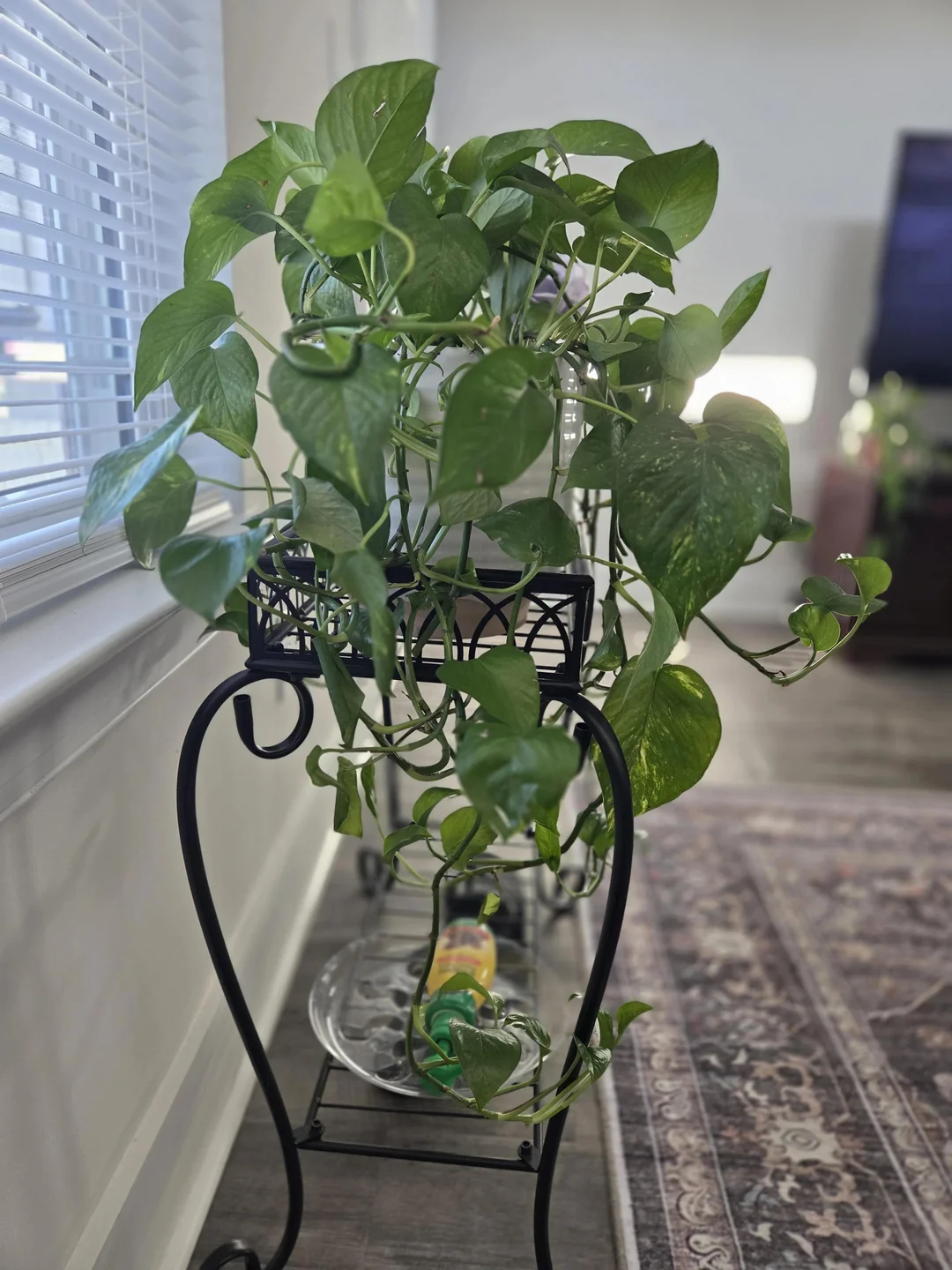
Want longer vines and fuller foliage? If you’re wondering how to make your pothos grow faster, the secret lies in providing the right balance of light, water, nutrients, and proper care. This guide covers the most effective ways to speed up pothos growth indoors and keep your plant healthy year-round.
How to Make Your Pothos Grow Faster Indoors
Pothos is one of the fastest-growing houseplants, but sometimes it seems like the vines stop growing altogether. If your plant has stayed the same size for months or is producing tiny leaves, there’s usually a simple explanation.
The good news is that learning how to make your pothos grow faster doesn’t require expensive products or advanced gardening skills. A few small adjustments to your care routine can dramatically improve growth, encourage larger leaves, and help your pothos produce long, trailing vines.
Whether you’re growing Golden Pothos, Marble Queen, Neon Pothos, or another variety, these proven tips will help your plant thrive indoors.
To make your pothos grow faster, provide 6–8 hours of bright indirect light, water only when the top inch of soil is dry, use well-draining soil, fertilize monthly during spring and summer, maintain warm temperatures, prune regularly, and repot when the roots become crowded. Consistent care encourages faster vine growth and healthier foliage.
Why Isn’t My Pothos Growing Faster?
Pothos naturally grows quickly under the right conditions. During the growing season, healthy plants can produce several inches of new growth every month.
If growth has slowed, your plant may be struggling with:
- Low light
- Poor watering habits
- Nutrient deficiency
- Root-bound conditions
- Cold temperatures
- Poor soil quality
Fortunately, each problem has a simple solution.
1. Give Your Pothos More Bright, Indirect Light
Light is the biggest factor that affects growth.
While pothos can survive in low light, it grows much faster when placed near a bright window with indirect sunlight.
Signs Your Plant Needs More Light
- Slow growth
- Small new leaves
- Long spaces between leaves
- Faded variegation
Quick Fix
- Place near an east-facing window.
- Provide 6–8 hours of bright, indirect light.
- Rotate the pot every few weeks.
2. Water Correctly
Too much or too little water slows growth.
Healthy roots need both moisture and oxygen.
Best Watering Method
- Water when the top 1–2 inches of soil are dry.
- Water thoroughly until it drains from the bottom.
- Never allow the pot to sit in standing water.
3. Use Well-Draining Soil
Roots grow faster in loose, airy soil.
A heavy soil mix traps moisture and limits oxygen.
Best Soil Mix
- Quality indoor potting soil
- Perlite
- Orchid bark
This combination improves drainage and root development.
4. Feed Your Pothos Regularly
Fast-growing plants require nutrients.
Without fertilizer, pothos may survive but won’t reach its full growth potential.
Best Fertilizer
- Balanced liquid fertilizer (10-10-10 or 20-20-20)
- Apply every 4–6 weeks during spring and summer.
- Stop fertilizing during winter.
5. Keep Temperatures Warm
Pothos is a tropical plant that prefers warmth.
Ideal Temperature
- 65–85°F (18–29°C)
Avoid:
- Cold drafts
- Air conditioners
- Heating vents
Warm temperatures encourage faster growth.
6. Increase Humidity
Although pothos adapts to average indoor humidity, slightly higher humidity often results in larger leaves and quicker vine development.
Easy Ways to Increase Humidity
- Place plants together.
- Use a pebble tray.
- Run a humidifier.
- Mist occasionally (if airflow is good).
7. Prune to Encourage Bushier Growth
Many people think pruning slows plants down.
Actually, proper pruning encourages branching and fuller vines.
How to Prune
- Cut just above a leaf node.
- Remove leggy vines.
- Prune during spring or summer.
New shoots often emerge from the cut area.
8. Repot When Necessary
Root-bound pothos eventually slows down.
Signs It’s Time
- Roots growing through drainage holes
- Soil dries very quickly
- Slow growth despite good care
Choose a pot only 1–2 inches larger than the current one.
9. Clean the Leaves
Dust blocks sunlight.
Clean leaves absorb more light and photosynthesize more efficiently.
Simply wipe leaves every few weeks with a damp microfiber cloth. If you want your pothos to look fuller rather than simply longer, propagation is an easy solution. Cut healthy vines below a node, root them in water, and plant the cuttings back into the original pot for a thicker, bushier appearance.
Common Mistakes That Stop Your Pothos From Growing Faster
If you’ve been following all the basic care tips but still don’t see much growth, don’t worry. Sometimes it’s not about what you’re doing—it’s about the small mistakes you don’t realize you’re making. Even one overlooked issue can prevent your pothos from reaching its full potential.
Here are some of the most common mistakes that keep a pothos from growing as quickly as it should.
1. Keeping Your Plant in the Same Spot for Years
Many people place their pothos in one location and never move it again. While pothos adapts well to different environments, the amount of sunlight your home receives changes throughout the year.
A corner that receives bright light in summer may become much darker during winter.
Every few months, evaluate whether your plant is still getting enough indirect sunlight. If growth has slowed, simply moving it closer to a brighter window can make a noticeable difference.
2. Using a Pot That’s Too Large
Repotting into a much larger container may seem like a good idea, but it often slows growth.
When there’s too much empty soil around the roots, the plant focuses on expanding its root system instead of producing new leaves and vines. Large pots also retain more moisture, increasing the risk of overwatering.
Choose a container that’s only 1–2 inches wider than the current pot. This encourages a healthy balance between root development and top growth.
3. Ignoring Dust on the Leaves
It’s easy to overlook dusty leaves, especially on trailing houseplants. However, a layer of dust reduces the amount of light reaching the leaf surface, limiting photosynthesis.
Every few weeks, gently wipe each leaf with a soft, damp cloth. Not only will your pothos look cleaner, but it will also absorb more light and produce energy more efficiently.
4. Overcrowding the Pot
Adding too many cuttings into one container can eventually lead to overcrowded roots.
While a fuller pothos looks beautiful, roots still need enough room to absorb water and nutrients. If your once-thriving plant suddenly slows down despite proper care, check whether it’s becoming root-bound.
Dividing the plant or repotting into a slightly larger container can quickly restore healthy growth.
5. Expecting Instant Results
One of the biggest misconceptions about pothos is that it should grow noticeably every week.
Although it’s considered a fast-growing houseplant, growth still depends on temperature, light, and seasonal changes. After improving your care routine, it may take several weeks before you notice larger leaves or longer vines.
Consistency always produces better results than making frequent changes.
Seasonal Care Tips to Help Your Pothos Grow Faster
Your pothos doesn’t have the same needs all year long. Adjusting your care routine with the seasons helps maintain steady, healthy growth.
Spring
Spring is when pothos begins actively growing again.
This is the perfect time to:
- Start fertilizing regularly.
- Repot if necessary.
- Take stem cuttings for propagation.
- Increase watering as temperatures rise.
Summer
Summer is usually the fastest growing season.
During this time:
- Check soil moisture more often.
- Protect leaves from harsh afternoon sunlight.
- Feed the plant monthly.
- Rotate the pot every few weeks for even growth.
Fall
As daylight hours decrease, growth naturally slows.
Reduce fertilizer applications and begin spacing out watering sessions while continuing to provide bright indirect light.
Winter
Winter is a resting period for many indoor plants.
To keep your pothos healthy:
- Water less frequently.
- Avoid cold drafts and heaters.
- Skip fertilizer until spring.
- Continue cleaning leaves so they receive as much available light as possible.
Even if growth pauses temporarily, healthy plants usually bounce back quickly once spring arrives.
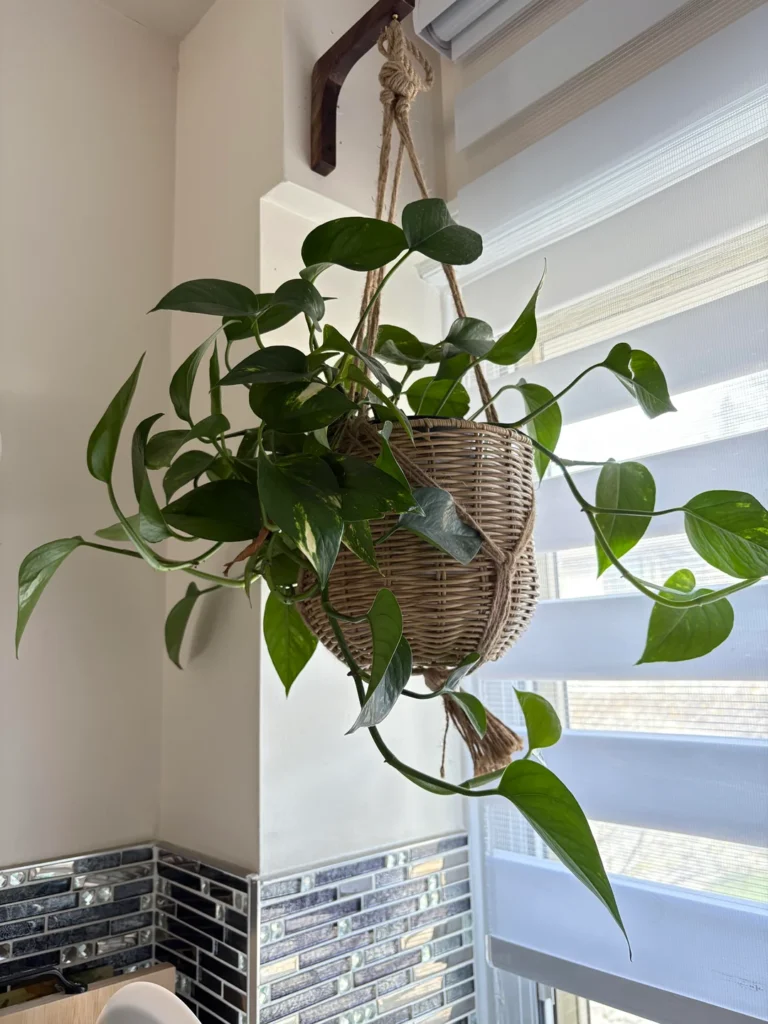
Pro Tips for Growing a Fuller, Healthier Pothos
If your goal isn’t just longer vines but a lush, bushy plant, these expert tips can make a noticeable difference.
- Prune leggy vines regularly to encourage branching.
- Plant rooted cuttings back into the same pot for a fuller appearance.
- Rotate the pot every few weeks so all sides receive equal light.
- Feed consistently during the growing season without overfertilizing.
- Keep humidity between 40% and 60% whenever possible.
- Avoid moving the plant too frequently, as constant environmental changes can cause unnecessary stress.
Remember that healthy growth starts below the soil. Strong roots support larger leaves, longer vines, and more vigorous growth above the surface. By combining proper lighting, watering, fertilizing, pruning, and seasonal care, you’ll create the ideal environment for your pothos to flourish.
Whether you’re hoping to fill a bookshelf with cascading vines or train your pothos to climb a moss pole, patience and consistency are your greatest tools. Small improvements to your care routine today can lead to dramatic growth over the coming months, turning your pothos into one of the healthiest and fastest-growing plants in your indoor collection.
Quick Care Checklist
| Care Factor | Best Practice |
| Light | Bright indirect light |
| Water | Water when top soil is dry |
| Soil | Well-draining indoor mix |
| Fertilizer | Every 4–6 weeks in growing season |
| Temperature | 65–85°F (18–29°C) |
| Humidity | Moderate to high |
| Repotting | Every 2–3 years |
| Pruning | Regularly during active growth |
Frequently Asked Questions
How fast should pothos grow indoors?
A healthy pothos can produce several inches of vine growth each month during spring and summer.
Does coffee help pothos grow faster?
Occasionally used coffee grounds can improve compost, but fresh coffee grounds should not be added directly to indoor pots.
Why are my pothos leaves getting smaller?
Small leaves usually indicate low light, nutrient deficiency, or overcrowded roots.
Should I mist my pothos?
Misting isn’t essential, but higher humidity can support healthier growth.
Can pothos grow in water forever?
Yes, but plants generally grow faster and larger when planted in nutrient-rich soil.
Final Thoughts
If you’re trying to make your pothos grow faster, remember that healthy growth starts with consistency rather than quick fixes. Bright indirect light, proper watering, nutrient-rich soil, regular feeding, and occasional pruning all work together to create the perfect growing environment. Once your pothos has everything it needs, you’ll likely notice longer vines, larger leaves, and vigorous new growth throughout the growing season. With just a little patience and the right care routine, your pothos can become one of the fastest-growing and most rewarding houseplants in your indoor garden.

Sophie Bennett
Sophie Bennett is a Plant lover, chronic propagator, and firm believer that every room needs at least one Monstera. She writes about plant care, styling, and the joy of bringing the outdoors in keeping it honest, simple, and always beginner friendly.
Sophie Bennett
Sophie Bennett is a Plant lover, chronic propagator, and firm believer that every room needs at least one Monstera. She writes about plant care, styling, and the joy of bringing the outdoors in keeping it honest, simple, and always beginner friendly.
Get more inspiration
Subscribe for weekly plant care tips, grow guides, and fresh inspiration delivered straight to your inbox.