
Snake Plant Watering Schedule: The Ultimate Indoor Guide
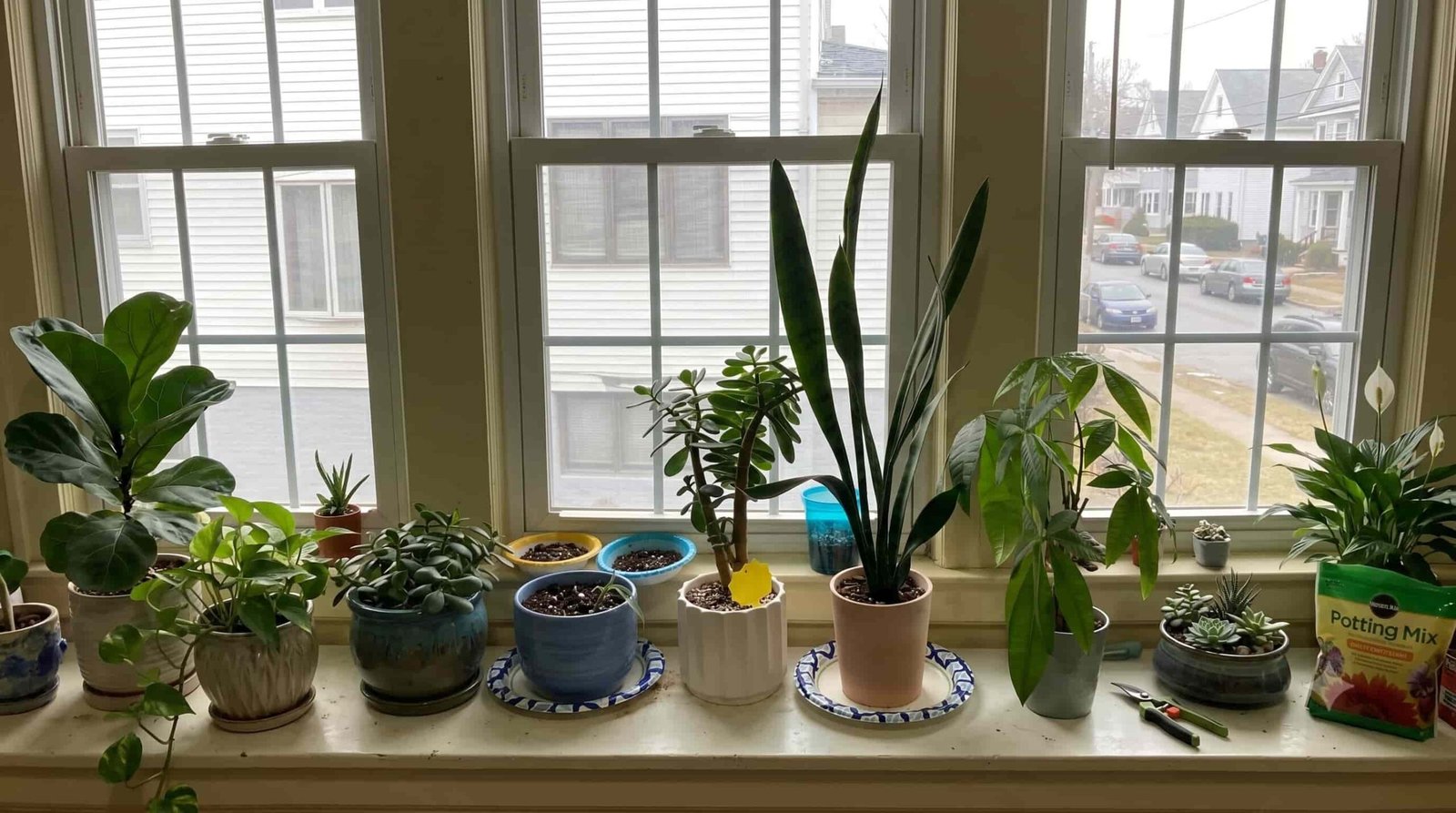
Wondering if you’re killing your favorite houseplant with kindness? This ultimate guide breaks down the perfect snake plant watering schedule so you can stop guessing and start growing. Learn the exact signs your plant is thirsty, or drowning, and master the art of effortless indoor plant care today!
Getting your snake plant watering schedule right is one of the most important steps to keeping your plant healthy, vibrant, and free from common problems like root rot. While snake plants are famous for their ability to survive neglect, watering them incorrectly can quickly lead to yellow leaves, mushy roots, and stunted growth.
In this guide, you’ll learn exactly how often to water a snake plant indoors, the signs to watch for, and simple tips to keep your plant thriving year-round.
Have you ever wondered why some snake plants seem to grow effortlessly while others struggle despite receiving regular care? The answer often comes down to watering. Many plant owners assume snake plants need frequent watering like other houseplants, but these hardy succulents have very different needs.
Native to dry regions of West Africa, snake plants are adapted to survive long periods without water. Their thick leaves store moisture, allowing them to tolerate drought conditions that would stress many other indoor plants. However, this natural adaptation also makes them vulnerable to overwatering.
Understanding the proper snake plant watering schedule can help you avoid common mistakes and encourage healthier growth.
Why a Proper Snake Plant Watering Schedule Matters
Watering isn’t just about giving your plant moisture. It’s about creating the right balance between hydration and airflow around the roots.
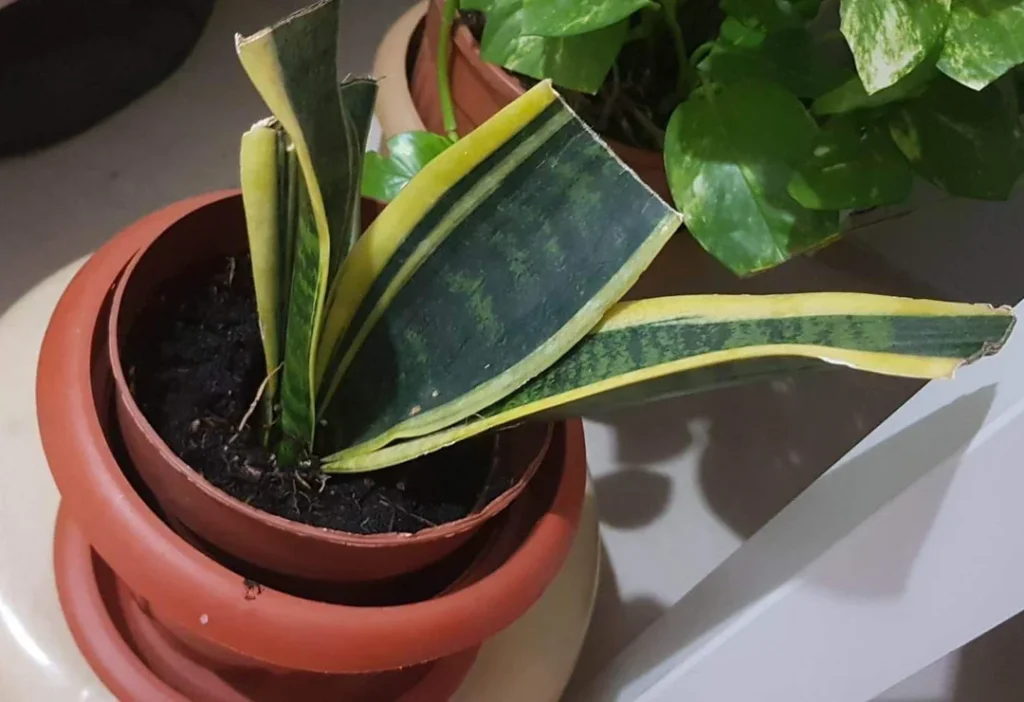
When a snake plant receives too much water, the roots remain wet for extended periods, and the snake plant turns yellow. This reduces oxygen availability and creates the perfect environment for root rot. On the other hand, watering too infrequently can eventually lead to dehydration, wrinkled leaves, and slowed growth.
A proper snake plant watering schedule helps:
- Prevent root rot
- Encourage healthy root development
- Maintain vibrant green leaves
- Reduce pest and fungal issues
- Support consistent growth
Finding the right balance is the key to long-term success.
How Often Should You Water a Snake Plant Indoors?
The short answer is simple:
Most indoor snake plants need water every 2 to 6 weeks.
However, there is no universal schedule that works for every home. Several factors influence how quickly the soil dries out, including light exposure, temperature, humidity, pot size, and season.
Instead of watering based on the calendar, focus on the condition of the soil.
The Golden Rule
Only water your snake plant when the soil has completely dried out.
Insert your finger 2–3 inches into the soil. If it feels dry all the way down, it’s time to water. If any moisture remains, wait a few more days before checking again.
This simple habit can prevent most watering-related problems.
Snake Plant Watering Schedule by Season
One of the biggest mistakes plant owners make is watering the same amount year-round.
Snake plants have different needs depending on the season.
Spring
Spring marks the beginning of active growth.
Typical watering schedule:
- Every 2–3 weeks
As temperatures rise and daylight increases, your snake plant will use more water.
Summer
Summer is usually the fastest-growing season.
Typical watering schedule:
- Every 2–3 weeks
Plants located in bright indirect light may need slightly more frequent watering.
Always check soil moisture before watering.
Fall
Growth begins slowing down as daylight hours decrease.
Typical watering schedule:
- Every 3–5 weeks
Your plant won’t require as much moisture during this transition period.
Winter
Winter is the dormant season for most snake plants.
Typical watering schedule:
- Every 4–6 weeks
In some homes, snake plants may need water only once per month during winter.
Overwatering during dormancy is one of the leading causes of root rot.
Signs Your Snake Plant Needs Water
Rather than relying entirely on a schedule, it’s important to recognize the signs that your plant is thirsty.
Dry Soil
The most reliable indicator is completely dry soil.
Slightly Wrinkled Leaves
When moisture reserves become low, leaves may begin to wrinkle or appear less firm.
Slow Growth
During active growing seasons, underwatered plants often show reduced growth.
Leaning Leaves
A thirsty plant may lose some of its rigidity and begin leaning slightly.
When you notice these signs alongside dry soil, it’s usually time to water.
Signs You’re Overwatering Your Snake Plant
Overwatering is far more common than underwatering.
Watch for these warning signs:
Yellow Leaves
Yellowing foliage is often the first indication of excess moisture.
Mushy Leaves
Healthy snake plant leaves should feel firm. Soft leaves often indicate root problems.
Foul-Smelling Soil
A sour or rotten smell suggests root rot may be developing.
Brown or Black Spots
Excess moisture can encourage fungal growth and tissue damage.
Constantly Wet Soil
If the soil never seems to dry out, watering frequency should be reduced immediately.
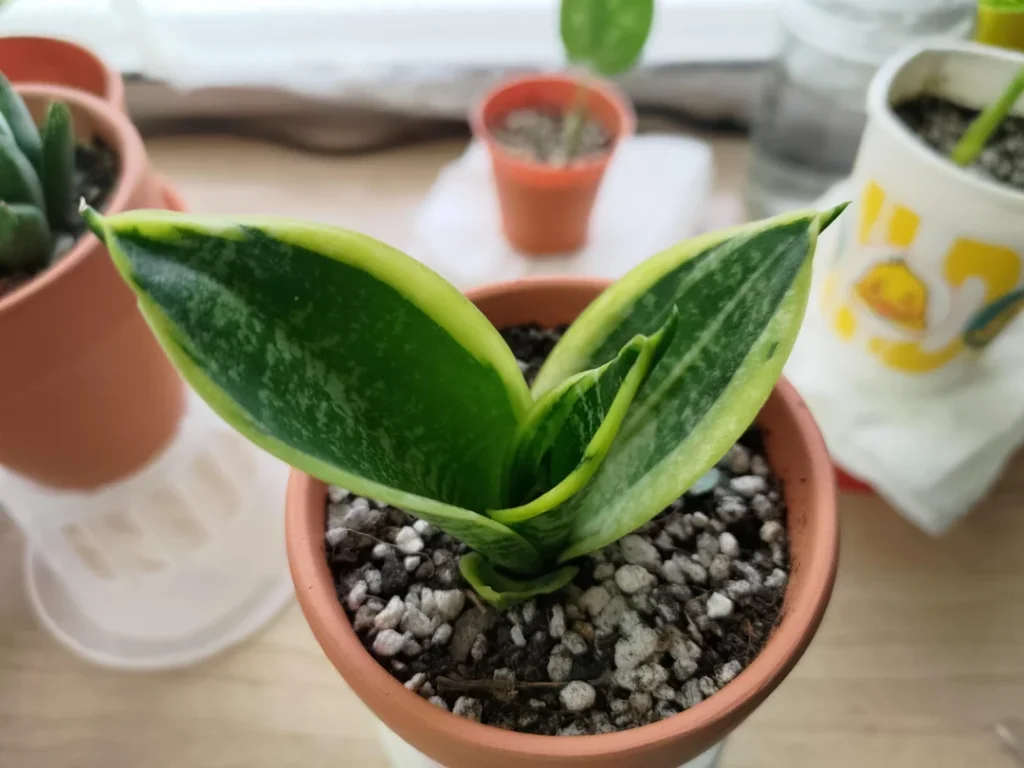
Factors That Affect Your Snake Plant Watering Schedule
Even though most snake plants need water every 2–6 weeks, several environmental factors can change that timeline.
Light Exposure
Plants in bright indirect light use water faster than those in low-light conditions.
If your snake plant sits near a sunny window, expect the soil to dry more quickly.
Temperature
Warm temperatures increase evaporation and plant activity.
During hot summer months, your plant may need water more frequently than usual.
Humidity
Homes with low humidity often cause soil to dry faster.
This is especially common during winter when indoor heating systems are running.
Pot Size
Smaller pots dry out faster than larger containers.
A snake plant in a 4-inch pot may need water sooner than one in a 10-inch pot.
Soil Type
Fast-draining cactus and succulent mixes dry more quickly than standard potting soil.
Choosing the right soil helps prevent moisture-related issues.
Pot Material
Terracotta pots absorb moisture and allow water to evaporate through their walls.
Plastic and ceramic pots retain moisture longer, meaning less frequent watering may be required.
Environmental Factors That Shift Your Snake Plant Watering Schedule
There’s no one-size-fits-all snake plant watering schedule because every home creates a unique growing environment. Factors such as light levels, temperature, humidity, season, and even the type of pot you use can significantly affect how quickly the soil dries out.
Understanding these variables will help you adjust your watering routine naturally and prevent both overwatering and underwatering.
| Factor | Needs More Frequent Water | Needs Less Frequent Water |
| Light Level | Bright, indirect window light | Low-light rooms or dark corners |
| Season | Spring and Summer (active growth) | Fall and Winter (dormancy) |
| Pot Material | Terracotta or unglazed clay pots | Plastic, ceramic, or glazed pots |
| Humidity & Temperature | Warm, dry rooms and air-conditioned spaces | Cool, humid environments |
Rather than following a strict calendar, use these factors as a guide when adjusting your snake plant watering schedule. A plant growing in bright summer light may need water every two to three weeks, while the same plant could go a month or longer without water during winter. The goal is to monitor your plant’s environment and let the soil, not the calendar, tell you when it’s time to water.
The Best Way to Water a Snake Plant
Knowing when to water is important, but knowing how to water matters just as much.
Follow these simple steps:
Step 1: Check the Soil
Confirm that the soil is completely dry before watering.
Step 2: Water Thoroughly
Slowly pour water onto the soil until it begins draining from the bottom of the pot.
Step 3: Allow Excess Water to Drain
Never leave the pot sitting in standing water.
Empty saucers or decorative containers after watering.
Step 4: Wait Until the Soil Dries Again
Avoid watering on a fixed schedule without checking moisture levels.
This method encourages healthier roots and prevents overwatering.
Common Snake Plant Watering Mistakes to Avoid
Even experienced plant owners occasionally make mistakes.
Avoid these common watering errors.
Watering Too Frequently
The most common mistake by far.
Snake plants prefer dry conditions and suffer when watered too often.
Following a Strict Calendar
Every home is different.
Always check the soil before watering rather than relying solely on a schedule.
Using Pots Without Drainage Holes
Without proper drainage, excess water becomes trapped around the roots.
Watering During Dormancy
Snake plants require significantly less water during winter.
Ignoring seasonal changes often leads to root rot.
Ignoring Early Warning Signs
Yellow leaves, soft stems, and consistently wet soil shouldn’t be ignored.
Addressing problems early prevents serious damage.
Snake Plant Watering Schedule Cheat Sheet
Need a quick reference?
Spring
Every 2–3 weeks
Summer
Every 2–3 weeks
Fall
Every 3–5 weeks
Winter
Every 4–6 weeks
Soil Check Rule
Water only when the soil is completely dry.
Save this guide for easy reference whenever you’re unsure.
Frequently Asked Questions
Can I Water My Snake Plant Once a Week?
In most cases, weekly watering is too frequent.
Snake plants store water in their leaves and generally prefer longer periods between waterings.
Should I Mist My Snake Plant?
No.
Snake plants don’t require additional humidity and generally do not benefit from misting.
What Happens If I Forget to Water My Snake Plant?
Snake plants are very forgiving.
Missing a watering occasionally is usually far less harmful than overwatering.
Can Snake Plants Recover From Overwatering?
Yes.
If caught early, reducing watering, improving drainage, and removing damaged roots can help the plant recover successfully.
Do Snake Plants Need Less Water in Winter?
Absolutely.
Growth slows significantly during winter, reducing the plant’s water requirements.
How to Create the Perfect Snake Plant Watering Schedule
The best snake plant watering schedule isn’t based on exact dates, it’s based on observation. Rather than reaching for the watering can every week, take a few moments to check your plant’s environment and soil conditions.
A snake plant growing in bright light during summer may dry out much faster than one sitting in a cooler room during winter.
Developing a habit of monitoring your plant will help you understand its unique needs. Pay attention to seasonal changes, room temperature, and how quickly the soil dries after watering.
Over time, you’ll become more confident in recognizing when your plant genuinely needs water instead of watering out of routine.
Remember that consistency matters more than perfection. Snake plants are resilient and can tolerate occasional mistakes, but a thoughtful approach to watering will reward you with stronger roots, healthier leaves, and steady growth. By following a flexible snake plant watering schedule and responding to your plant’s signals, you’ll create the ideal conditions for long-term success.
The Art of Minimalist Plant Care
At the end of the day, mastering your indoor plant care comes down to embracing a hands-off approach. Snake plants are the ultimate minimalists of the indoor jungle. They don’t want to be coddled, fussed over, or watered on a frantic weekly schedule.
Treat them with a little bit of healthy neglect. Pay attention to the dryness of the soil, watch how the natural ambient light changes with the seasons in your home, and always err on the side of underwatering rather than overwatering.
By doing so, your snake plants will reward you with years of clean lines, air-purifying benefits, and gorgeous green growth that anchors your home decor beautifully.

Sophie Bennett
Sophie Bennett is a Plant lover, chronic propagator, and firm believer that every room needs at least one Monstera. She writes about plant care, styling, and the joy of bringing the outdoors in keeping it honest, simple, and always beginner friendly.
Sophie Bennett
Sophie Bennett is a Plant lover, chronic propagator, and firm believer that every room needs at least one Monstera. She writes about plant care, styling, and the joy of bringing the outdoors in keeping it honest, simple, and always beginner friendly.
Get more inspiration
Subscribe for weekly plant care tips, grow guides, and fresh inspiration delivered straight to your inbox.