
Succulent Leaves Are Falling Off? Know the Real Reasons (9 Easy Fixes)
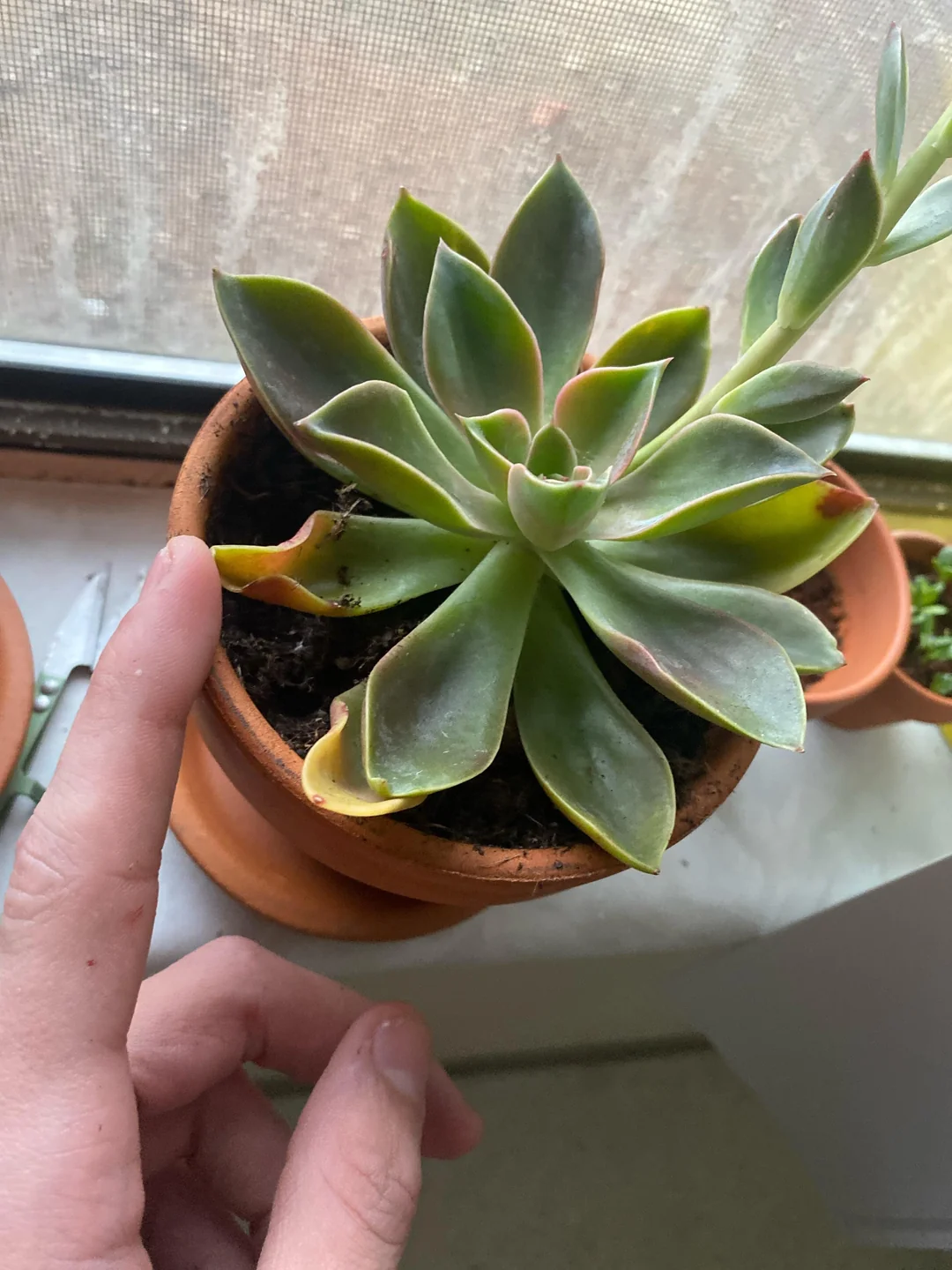
Succulent leaves are falling off badly, but you don’t know, and it can feel alarming, especially when the plant looked perfectly fine a few days ago. One moment it’s thriving on your shelf. Next moment it’s dropping leaves like it’s filing a formal resignation from existence.
The good news? Most succulent problems are completely fixable once you identify the cause.
This guide explains the real reasons behind succulent leaves falling off and how to fix each one fast.
1. Overwatering Is the #1 Cause
If your succulent leaves feel:
- Soft
- Mushy
- Yellow
- Transparent
then overwatering is likely the problem.
Succulents store water inside their leaves. Too much watering causes the cells to burst, leading to falling leaves and root rot.
How to Fix Overwatered Succulents
- Stop watering immediately
- Let the soil dry completely
- Remove rotten leaves
- Repot in dry succulent soil if needed
Important:
Always use pots with drainage holes.
A succulent sitting in wet soil is basically drowning politely.
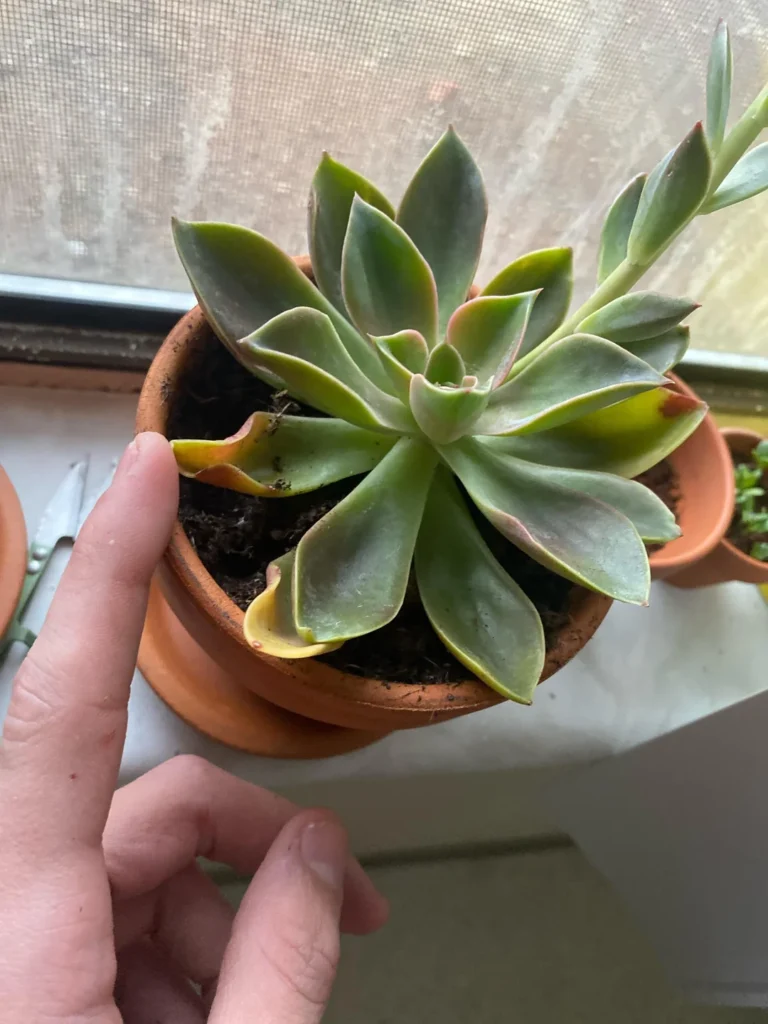
2. Underwatering Can Also Cause Leaf Drop
Dry succulents lose leaves too.
Signs include:
- Wrinkled leaves
- Crispy texture
- Shrinking appearance
- Dry compact soil
The plant drops older leaves to conserve water.
Quick Fix
- Water deeply once
- Allow full drainage
- Resume proper watering schedule
Do not panic-water every day afterward. Humans love overcorrecting things. That’s why “reply all” still exists.
3. Lack of Sunlight
Succulents need bright light to stay healthy.
Without enough sun:
- Leaves weaken
- Growth stretches
- Lower leaves fall off
Best Light for Succulents
Most succulents need:
- 4 to 6 hours bright sunlight
- Bright indoor window placement
- Indirect light during extreme heat
Move plants gradually into brighter conditions.
4. Natural Leaf Shedding
Sometimes falling leaves are completely normal.
Older bottom leaves naturally dry and drop as new growth appears on top.
Normal shedding looks like:
- Dry lower leaves only
- Healthy upper growth
- No mushiness or black spots
No rescue mission required. Your plant is simply recycling itself like a tiny environmentally conscious alien.
5. Root Rot Problems
If leaves fall off with a slight touch, check the roots immediately.
Root rot happens when:
- Soil stays wet too long
- Pot lacks drainage
- Roots suffocate
Signs of Root Rot
- Black roots
- Bad smell
- Mushy stem
- Rapid leaf loss
How to Save a Succulent From Root Rot
- Remove plant from soil
- Cut rotten roots
- Let roots dry for 24 hours
- Repot in fresh dry succulent soil
- Wait before watering again
Fast action can save the plant.
6. Temperature Stress
Succulents dislike sudden temperature changes.
Problems happen when:
- AC vents blow directly
- Frost exposure occurs
- Heat becomes extreme
- Indoor temperature fluctuates heavily
Ideal Temperature
Most succulents prefer:
- 15°C to 29°C
- Stable indoor plants conditions
- Moderate airflow
7. Wrong Soil Mix
Regular potting soil holds too much moisture.
This causes:
- Root suffocation
- Fungus growth
- Falling leaves
Best Soil Mix
Use:
- Cactus mix
- Perlite
- Coarse sand
Succulents need fast-draining soil.
Think desert, not swamp.
8. Pest Infestation
Tiny pests can weaken succulents quickly.
Common pests:
- Mealybugs
- Spider mites
- Aphids
Signs of Pest Damage
- Sticky residue
- White cotton-like spots
- Tiny moving insects
- Weak falling leaves
How to Remove Pests
- Wipe leaves with rubbing alcohol
- Spray diluted neem oil
- Isolate infected plant
- Improve airflow
Plants in the garden or indoors getting attacked by invisible bugs feels unfair. Like paying taxes emotionally.
9. Shock After Repotting
Succulents sometimes drop leaves after:
- Repotting
- Relocation
- Shipping
- Sudden environment change
This stress is temporary.
Recovery Tips
- Avoid watering immediately
- Give bright indirect light
- Do not move plant repeatedly
Plants hate instability almost as much as humans hate software updates.
| Reason Succulent Leaves Are Falling Off | Common Signs | How to Fix It |
|---|---|---|
| Overwatering | Soft, mushy, yellow leaves that drop easily | Let the soil dry completely, repot if roots are rotting, and reduce watering frequency. |
| Underwatering | Wrinkled, dry, crispy leaves falling from the bottom | Water deeply when the soil is dry and maintain a consistent watering routine. |
| Lack of Sunlight | Stretched stems, pale leaves, weak growth | Move your succulent to a location with 6–8 hours of bright, indirect sunlight or morning sun. |
| Natural Aging | Older bottom leaves dry out and fall off | No action needed—this is a normal part of the plant’s growth cycle. |
| Temperature Stress | Sudden leaf drop after exposure to heat or cold | Keep your succulent in temperatures between 60°F–80°F (16°C–27°C) and avoid drafts. |
| Poor Drainage | Wet soil, yellow leaves, root rot symptoms | Use a fast-draining succulent soil mix and a pot with drainage holes. |
| Pest Infestation | Sticky residue, tiny insects, damaged leaves | Treat with neem oil or insecticidal soap and isolate the affected plant. |
| Transplant Shock | Leaf drop shortly after repotting | Give the plant time to adjust and avoid overwatering during recovery. |
| Overfertilizing | Burnt leaf tips, weak growth, unexpected leaf loss | Flush the soil with water and reduce fertilizer applications. |
| Root Rot | Black, mushy roots and leaves falling off rapidly | Remove damaged roots, repot in fresh soil, and water only after the soil dries completely. |
Quick Tip
Healthy succulent leaves should feel firm, plump, and attached securely to the stem. If leaves are becoming soft, wrinkled, yellow, or dropping unexpectedly, inspect your watering routine, soil drainage, and light conditions first—these are the most common causes of leaf loss.
How Often Should Succulent Leaves Fall Off?
Healthy succulents may lose:
- A few bottom leaves monthly
- Old dried leaves naturally
But excessive falling leaves usually signal a care issue.
How to Prevent Succulent Leaves Falling Off
Simple Prevention Checklist
- Water only when soil is dry
- Use drainage pots
- Provide bright light
- Use succulent soil mix
- Avoid sudden temperature changes
- Check roots regularly
Healthy succulents should have:
- Firm leaves
- Compact growth
- Strong color
- Stable stems
How to Keep Succulent Leaves From Falling Off Again
Once you’ve identified why your succulent leaves are falling off and corrected the problem, the next step is preventing it from happening again. The good news is that healthy succulents are incredibly resilient when they’re given the right growing conditions. A few simple care habits can make a huge difference in keeping your plant strong, colorful, and full of healthy leaves.
Here are the best ways to prevent future leaf drop:
- Water only when the soil is completely dry. Succulents store water in their leaves, so they don’t need frequent watering. Overwatering is one of the most common reasons leaves become soft and fall off, while underwatering can cause them to shrivel and drop.
- Use a fast-draining soil mix. Heavy potting soil traps moisture around the roots, increasing the risk of root rot. A cactus or succulent soil mix allows excess water to drain quickly and keeps roots healthy.
- Choose a pot with drainage holes. Even the best soil can’t protect your plant if water has nowhere to escape. Drainage holes are essential for preventing soggy roots.
- Provide enough sunlight. Most succulents need at least six hours of bright light each day. If your plant starts stretching toward the light or losing lower leaves, it may be time to move it to a brighter location.
- Avoid sudden environmental changes. Moving your succulent from a shaded area to direct sunlight overnight or exposing it to cold drafts can stress the plant and trigger leaf drop. Introduce changes gradually whenever possible.
- Inspect your plant regularly. Check the leaves, stem, and soil every week for signs of pests, rot, or dehydration. Catching small problems early makes them much easier to fix.
- Don’t panic over a few fallen leaves. It’s perfectly normal for older leaves near the base of the plant to dry up and fall off as new growth develops. Focus on whether new leaves are healthy rather than worrying about every leaf that drops.
Remember that every succulent variety grows a little differently. Environmental conditions like temperature, humidity, sunlight, and airflow all influence how your plant behaves. Instead of following a strict care schedule, observe your succulent and adjust your routine based on its needs.
Healthy succulents communicate through their leaves. Firm, plump foliage usually means your plant is thriving, while soft, wrinkled, yellowing, or dropping leaves are early signals that something needs attention. By responding quickly and maintaining consistent care, you’ll not only stop unnecessary leaf loss but also encourage stronger roots, healthier growth, and a more vibrant plant. A little observation goes a long way in keeping your succulent looking its best throughout every season.
Final Thoughts
The most common reason for succulent leaves falling off is overwatering, but lighting, soil, pests, and temperature can also play a role.
The key is identifying symptoms early.
Once you fix the environment, most succulents recover surprisingly well. These plants evolved to survive deserts, droughts, and neglect. Yet somehow the average kitchen windowsill still defeats them. Remarkable species, humans included.
By identifying the cause early and making the right changes, you can stop leaf drop and enjoy a stronger, healthier succulent for years. With the right care and a little patience, your succulent will reward you with healthy leaves, steady growth, and lasting beauty. By understanding the real reason your succulent leaves are falling off and making a few simple care adjustments, you can help your plant recover, encourage healthy new growth, and enjoy a beautiful, thriving succulent for years to come.

Sophie Bennett
Sophie Bennett is a Plant lover, chronic propagator, and firm believer that every room needs at least one Monstera. She writes about plant care, styling, and the joy of bringing the outdoors in keeping it honest, simple, and always beginner friendly.
Sophie Bennett
Sophie Bennett is a Plant lover, chronic propagator, and firm believer that every room needs at least one Monstera. She writes about plant care, styling, and the joy of bringing the outdoors in keeping it honest, simple, and always beginner friendly.
Get more inspiration
Subscribe for weekly plant care tips, grow guides, and fresh inspiration delivered straight to your inbox.