
Underwatered Succulent Signs (And How to Bring It Back)
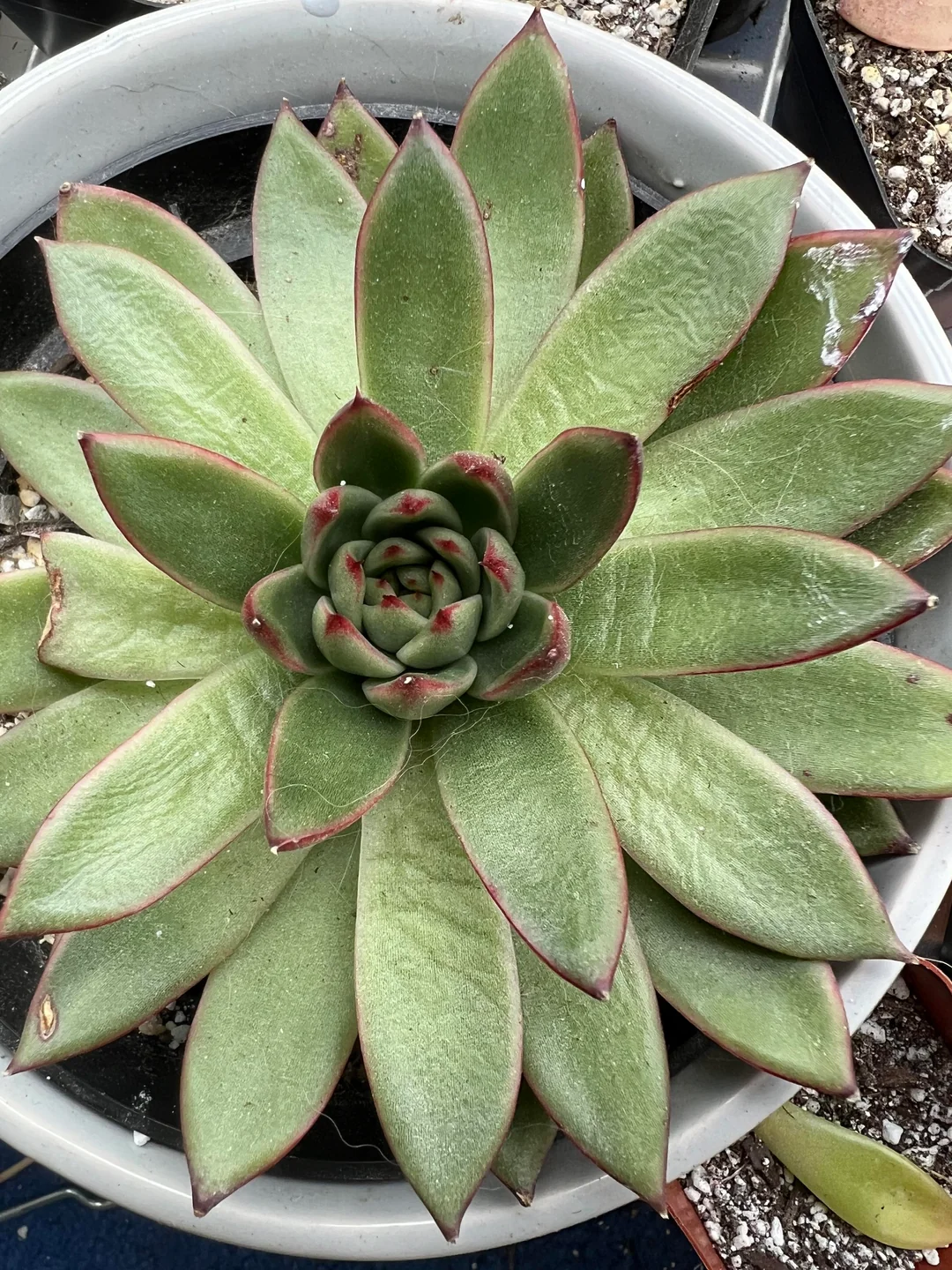
Succulents have a reputation for surviving anything. Forget to water them for a week? Fine. Ignore them for two weeks? Still alive. Accidentally emotionally abandon them on a sunny windowsill for a month? Now we’re entering dangerous territory.
An underwatered succulent doesn’t usually die overnight, but it does send warning signs long before things become irreversible. The problem is that many people either miss those signs completely or confuse them with overwatering symptoms and create an entirely new disaster. Indoor plant care is basically a cycle of panic, denial, and aggressive Googling.
If your succulent looks wrinkled, flat, dry, or lifeless, this guide will help you identify exactly what’s happening and how to revive it properly without drowning it in desperation water.
What Does an Underwatered Succulent Look Like?
A healthy succulent should look plump, firm, and vibrant. Since succulents store water inside their leaves, they begin using those reserves when they go too long without moisture.
Over time, the plant starts looking thinner, softer, and stressed.
The biggest difference between underwatering and overwatering is texture.
An underwatered succulent usually feels:
- Dry
- Thin
- Wrinkled
- Deflated
An overwatered succulent feels:
- Mushy
- Squishy
- Soft
- Wet-looking
Tiny desert plants somehow created the world’s most confusing symptom system.
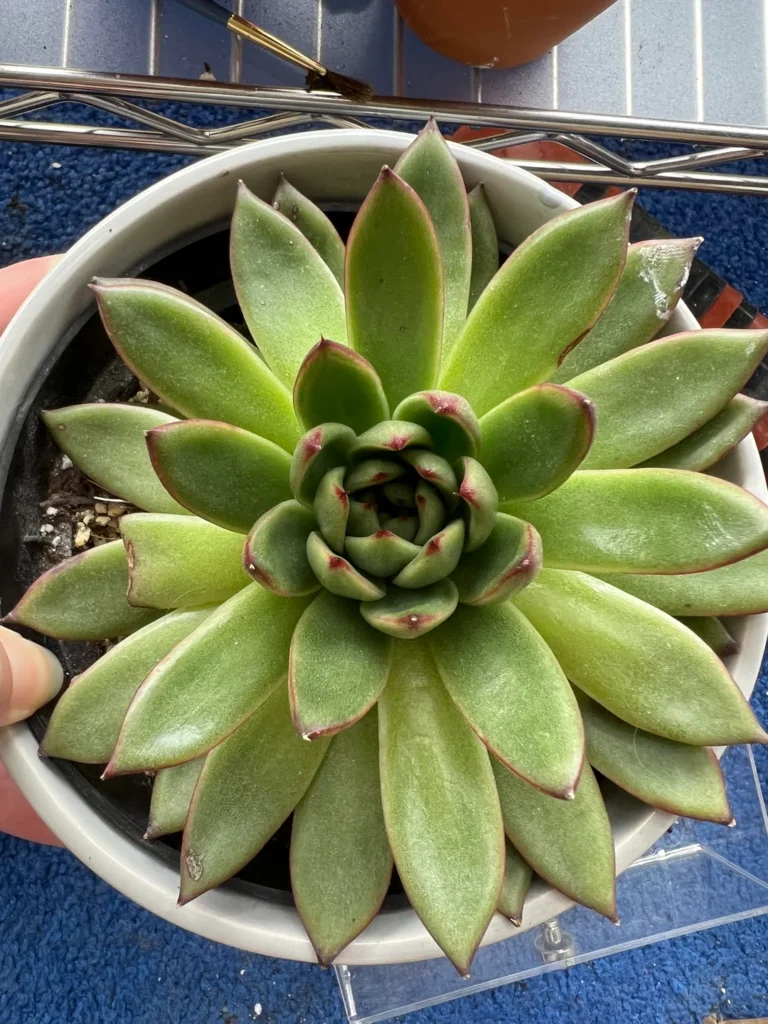
Common Underwatered Succulent Signs
Recognizing the symptoms early can save your plant before serious damage happens.
Wrinkled or Shriveled Leaves
This is the most common sign.
The leaves begin looking wrinkled because the plant is using stored water to survive. Instead of appearing smooth and plump, they look thin and dehydrated.
In severe cases, the wrinkles become deep and the leaves start curling inward.
Dry, Crispy Leaf Tips
When dehydration continues for too long, leaf edges can turn brown and crispy.
Unlike root rot damage, these leaves feel dry rather than soft.
The plant is essentially rationing its remaining water supply like it’s surviving an apocalypse.
Leaves Feel Flat and Weak
Healthy succulent leaves feel firm when gently squeezed.
An underwatered succulent loses that firmness and starts feeling floppy or hollow.
This happens because the water reserves inside the leaves are nearly empty.
Slow or Stunted Growth
If your succulent suddenly stops growing during the active season, lack of water may be the cause.
The plant shifts into survival mode instead of producing new growth.
Plants really said, “No resources? No productivity.” Strangely relatable.
Dry Soil Pulling Away From the Pot
Extremely dry soil often shrinks and separates from the edges of the container.
This means water may rush straight through the pot during watering instead of soaking into the roots properly.
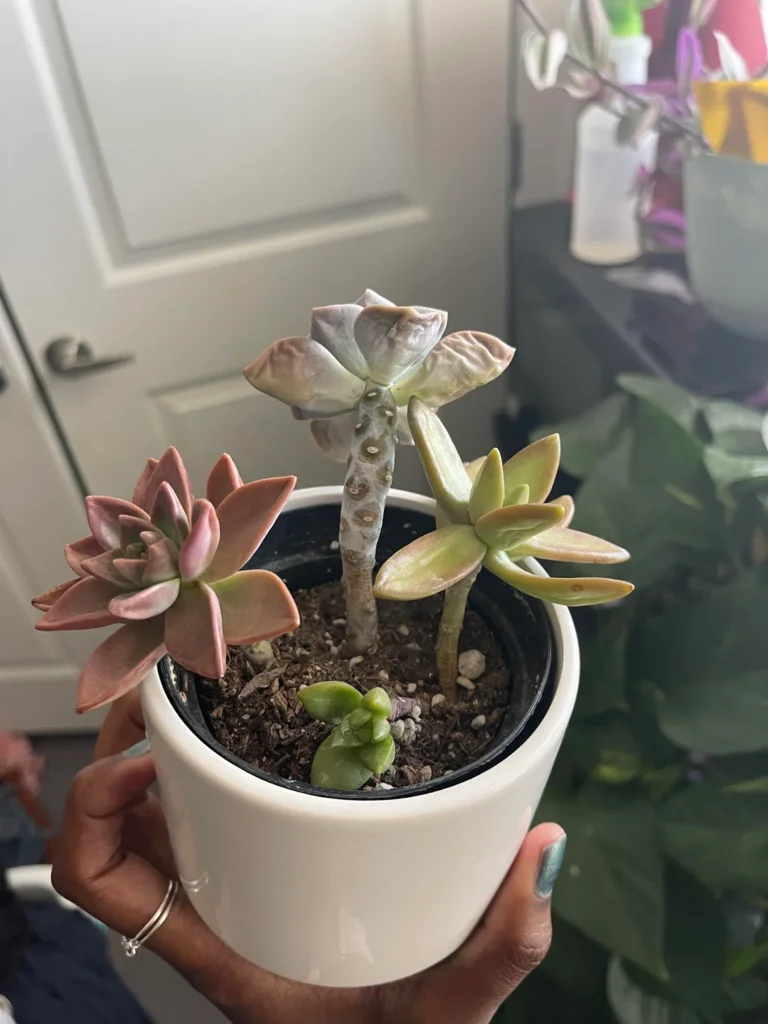
Drooping Leaves
Some succulents begin drooping or leaning when severely dehydrated.
The leaves lose structure because there isn’t enough moisture stored inside the plant.
Why Succulents Become Underwatered
Most people assume succulents need almost no water at all, which leads to accidental neglect.
While they are drought-tolerant, they still need occasional deep watering to survive.
Here are the most common reasons succulents dry out too much.
Forgetting to Water for Long Periods
This one is obvious.
Busy schedules, travel, or simple forgetfulness often lead to extended dry periods.
Succulents tolerate neglect better than most plants, but even they have limits.
Too Much Direct Sunlight
Strong afternoon sunlight can dry soil much faster than expected, especially during summer.
Outdoor succulents or windowsill plants may need more frequent watering during hot weather.
Small Pots Dry Out Faster
Tiny decorative pots lose moisture quickly because there’s less soil available to hold water.
The smaller the pot, the faster the drying cycle.
Fast-Draining Soil
Succulent soil is designed to drain quickly, which is good for preventing root rot.
But during hot conditions, it can sometimes dry out faster than the plant can tolerate.
Balance matters. Humans continue struggling with this concept universally.
How to Save an Underwatered Succulent
The good news is that underwatered succulents are usually easier to save than overwatered ones.
As long as the roots and stem are healthy, recovery can happen surprisingly fast.
Step 1: Check the Soil Completely
Before watering, inspect the soil properly.
Stick your finger a few inches deep into the pot.
If the soil feels bone dry all the way down, your succulent likely needs water immediately.
If the surface looks dry but deeper layers still contain moisture, the issue may be something else.
Step 2: Water Deeply and Slowly
Do not lightly sprinkle the surface.
Succulents need a thorough soak so water reaches the roots properly.
Water slowly until excess moisture drains from the bottom of the pot.
This encourages deep root growth and helps replenish the water stored in the leaves.
Step 3: Let Excess Water Drain Fully
Never allow the pot to sit in standing water.
Even thirsty succulents can develop root rot if water remains trapped around the roots.
Hydration is good. Swamp conditions are not.
Step 4: Move the Plant Away From Harsh Heat
If your succulent sits in intense direct sunlight during recovery, move it to bright indirect light temporarily.
Too much heat during dehydration recovery can stress the plant further.
Think of it like recovering from exhaustion while standing under a stadium floodlight.
Step 5: Be Patient While the Leaves Reinflate
Many succulents begin looking healthier within a few days after proper watering.
Wrinkled leaves slowly become firm again as the plant restores its internal water reserves.
However, severely damaged leaves may not fully recover.
That’s normal.
The goal is healthy new growth, not cosmetic perfection.
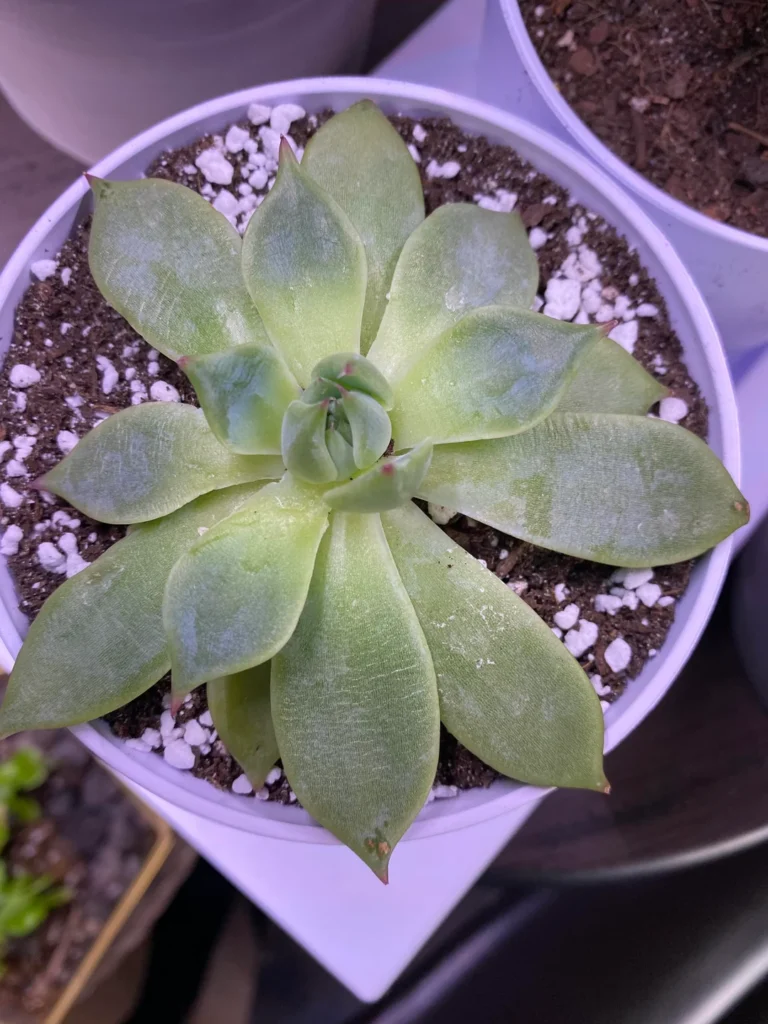
What Happens If a Succulent Stays Underwatered Too Long?
Prolonged dehydration can eventually kill roots, damage leaves permanently, and stop growth entirely.
In severe cases:
- Leaves dry up completely
- Roots die back
- Stems become weak
- The plant collapses
If parts of the plant remain healthy, propagation may still save it.
Succulents are stubborn survivors. Tiny botanical survivalists with trust issues.
How Often Should You Water Succulents?
There’s no perfect universal schedule because temperature, sunlight, humidity, and pot size all matter.
Instead of watering on fixed dates, focus on soil dryness.
A good rule:
- Water thoroughly
- Wait until the soil becomes completely dry
- Water again
Most indoor succulents need water:
- Every 2 to 3 weeks in warmer months
- Less frequently during winter
Always adjust based on conditions.
How to Prevent Underwatering in the Future
Succulent care becomes much easier once you stop treating them like mysterious decorative objects and start observing the plant itself.
Here’s what helps most:
Check Soil Regularly
Don’t rely on memory alone.
Actually inspect the soil before deciding whether to water.
Use Pots With Drainage Holes
Good drainage prevents both overwatering and uneven moisture problems.
Learn Your Plant’s Seasonal Needs
Succulents usually need more water during active growth periods and less during dormancy.
Watch the Leaves
Succulent leaves communicate hydration levels clearly once you learn the signs.
Plump = healthy
Wrinkled = thirsty
Mushy = danger
Honestly more emotionally transparent than many people.
How to Prevent Your Succulents From Becoming Underwatered Again
Once you’ve revived an underwatered succulent, the next step is making sure it doesn’t happen again. The good news is that preventing dehydration is much easier than rescuing a severely stressed plant. Instead of following a rigid watering schedule, focus on understanding what your succulent needs based on its environment and growing conditions.
Keep these simple tips in mind:
- Water deeply, not frequently. When it’s time to water, soak the soil until water drains from the bottom of the pot. This encourages roots to grow deeper and absorb moisture more effectively.
- Always check the soil first. Insert your finger about 2 inches into the soil. If it’s completely dry, it’s time to water. If there’s still moisture, wait a few more days.
- Use fast-draining soil. Succulents thrive in gritty soil that dries quickly. Heavy potting mixes can make it difficult to tell when your plant truly needs water and may lead to root problems.
- Choose pots with drainage holes. Excess water should never sit around the roots. Proper drainage helps maintain the right balance between hydration and airflow.
- Pay attention to seasonal changes. Succulents usually need more water during spring and summer when they’re actively growing. During fall and winter, growth slows, so watering should become less frequent.
- Monitor your home’s environment. Warm temperatures, direct sunlight, air conditioning, heaters, and low indoor humidity can all cause soil to dry out faster than expected. Your watering routine should adjust accordingly.
- Watch your plant—not the calendar. Every home is different. A succulent placed in a sunny window may need water sooner than one in a shaded room, even if they’re the same variety.
It’s also worth remembering that underwatering symptoms don’t disappear overnight. Wrinkled leaves may slowly plump up over several days after a thorough watering, while severely dehydrated leaves may never fully recover. That’s completely normal. Focus on new, healthy growth rather than expecting damaged leaves to return to their original appearance.
The best succulent growers develop a habit of observing their plants regularly. A quick weekly check for firm leaves, dry soil, and healthy color can help you catch dehydration before it becomes a serious problem. With consistent care, proper soil, and mindful watering, your succulent will become more resilient and continue rewarding you with beautiful, healthy growth for years to come. Small adjustments today can prevent future stress and help your plant thrive in every season.
Final Thoughts
An underwatered succulent may look dramatic, but recovery is often simple once you recognize the signs early.
Most of the time, the plant doesn’t need complicated treatments or fancy products. It simply needs:
- Deep watering
- Proper light
- Patience
- Better observation
Succulents survive best when you stop overcomplicating their care. Which, inconveniently, is also solid advice for half the problems humans create for themselves.

Sophie Bennett
Sophie Bennett is a Plant lover, chronic propagator, and firm believer that every room needs at least one Monstera. She writes about plant care, styling, and the joy of bringing the outdoors in keeping it honest, simple, and always beginner friendly.
Sophie Bennett
Sophie Bennett is a Plant lover, chronic propagator, and firm believer that every room needs at least one Monstera. She writes about plant care, styling, and the joy of bringing the outdoors in keeping it honest, simple, and always beginner friendly.
Get more inspiration
Subscribe for weekly plant care tips, grow guides, and fresh inspiration delivered straight to your inbox.