
Propagate a Snake Plant in Water: A Simple 3-Step Guide
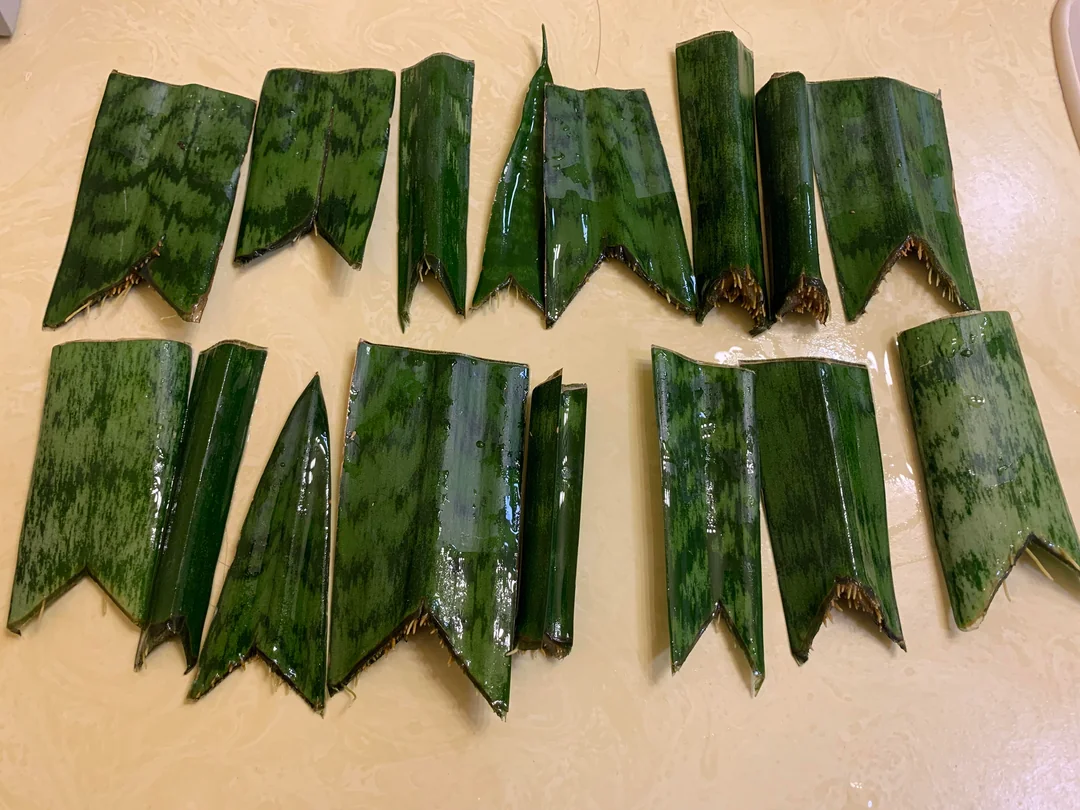
Want to propagate a snake plant in water without spending money? Water propagation is one of the easiest ways to multiply your snake plant and grow healthy new roots from a single leaf cutting. This guide explains exactly how to propagate a snake plant in water, how long rooting takes, common mistakes to avoid, and when to transfer your cutting into soil for long-term success.
Why Water Propagation Is One of the Best Ways to Multiply Snake Plants
Snake plants are famous for being one of the toughest houseplants to grow, and that same resilience makes them an excellent choice for water propagation. Instead of purchasing new plants, you can use a single healthy leaf to grow several new snake plants at home with very little effort. This method is especially popular among beginners because it doesn’t require special equipment, expensive rooting hormones, or advanced gardening experience. All you need is a clean container, fresh water, and patience while nature does the work.
One of the biggest advantages of propagating snake plants in water is that you can watch the entire rooting process happen in real time. Unlike soil propagation, where roots remain hidden underground, a clear glass container allows you to monitor root growth, spot any signs of rot early, and know exactly when your cutting is ready for transplanting. This makes water propagation both educational and rewarding, particularly if you’re new to indoor gardening.
Can You Propagate a Snake Plant in Water?
Yes, you can propagate a snake plant in water by cutting a healthy leaf, placing the cut end in clean water, and allowing roots to develop over several weeks. Once roots are well established, the cutting can be transferred to soil or continue growing in water.
Why Is Water Propagation So Popular for Snake Plants?
Water propagation is beginner-friendly, affordable, and fascinating to watch. Unlike soil propagation, you can monitor root growth in real time and quickly spot problems before they affect the plant.
Benefits of Water Propagation
- Easy for beginners
- Requires minimal supplies
- Lets you monitor root growth
- Low-cost propagation method
- Great for indoor gardening enthusiasts
Did You Know?
A single healthy snake plant leaf can produce multiple new plants through propagation.
What Do You Need to Propagate a Snake Plant in Water?
Before you start, gather a few simple supplies.
Essential Materials Checklist
| Item | Purpose |
| Healthy snake plant | Source cutting |
| Sharp scissors or pruning shears | Clean cuts |
| Glass jar or vase | Holds water |
| Filtered water | Encourages rooting |
| Bright indirect light | Supports growth |
Pro Tip
Always use sterilized cutting tools to reduce the risk of bacterial infections.
Which Snake Plant Leaves Should You Choose?
Not every leaf is ideal for propagation.
Choose mature, healthy leaves with no signs of disease, yellowing, or pest damage.
Best Leaf Characteristics
Firm texture
Deep green color
Fully mature growth
No brown spots
No soft areas
Avoid Leaves That Are
- Rotting
- Severely damaged
- Diseased
- Extremely young
Healthy cuttings produce stronger roots and faster growth.
How Do You Cut a Snake Plant for Water Propagation?
Proper cutting technique significantly improves rooting success.
Step 1: Cut the Leaf
Using clean scissors, cut a healthy leaf near the soil line.
Most gardeners create sections that are approximately 4–6 inches long.
Optional Technique
Cut a small inverted “V” shape at the bottom of each cutting.
This exposes more surface area and may encourage faster root development.
Should You Let Snake Plant Cuttings Callus Before Putting Them in Water?
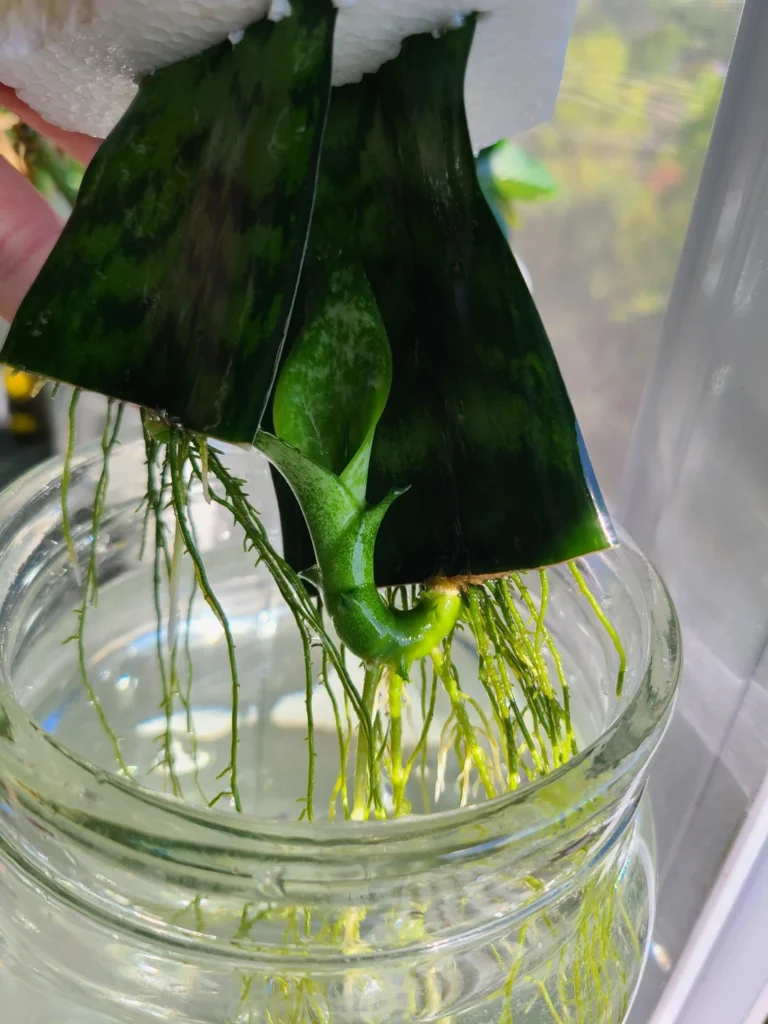
Yes. Allowing the cut end to dry for 24–48 hours helps reduce the risk of rot.
Why Is Callusing Important?
The dry layer acts as a protective barrier that prevents bacteria and fungi from entering the cutting.
Expert Insight
Many failed propagation attempts occur because fresh cuttings are placed directly into water.
How Do You Place Snake Plant Cuttings in Water?
Step 2: Add Water
Fill a glass container with clean water.
Only the bottom portion of the cutting should be submerged.
Water Level Rule
| Plant Part | In Water? |
| Bottom 1–2 inches | Yes |
| Majority of leaf | No |
Too much water exposure can increase the risk of rot.
Where Should You Keep Your Water Propagation Jar?
Location plays a major role in rooting success.
Step 3: Provide Bright Indirect Light
Place the container near a bright window that receives filtered sunlight.
Ideal Conditions
| Factor | Recommendation |
| Light | Bright indirect |
| Temperature | 65–85°F |
| Humidity | Moderate |
| Direct Sun | Avoid |
Common Mistake
Placing cuttings in harsh afternoon sun can damage the leaf and slow root formation.
How Long Does It Take a Snake Plant to Root in Water?
Patience is essential. Snake plants are naturally slow growers.
Typical Rooting Timeline
| Stage | Time Frame |
| Callusing | 1–2 Days |
| Initial Roots | 2–6 Weeks |
| Root Development | 6–10 Weeks |
| Ready for Soil | 8–12 Weeks |
Quick Answer
Most snake plant cuttings begin producing roots within 2–6 weeks.
How Often Should You Change the Water?
Fresh water helps prevent bacterial growth.
Recommended Schedule
Change the water every 5–7 days.
Signs Water Needs Replacing
- Cloudy appearance
- Unpleasant smell
- Algae growth
- Debris accumulation
Pro Tip
Use room-temperature water to avoid shocking the cutting.
How Can You Tell If Your Snake Plant Is Successfully Rooting?
Healthy propagation has several visible signs.
- Positive Rooting Indicators
✓ White roots emerging
✓ Firm leaf structure
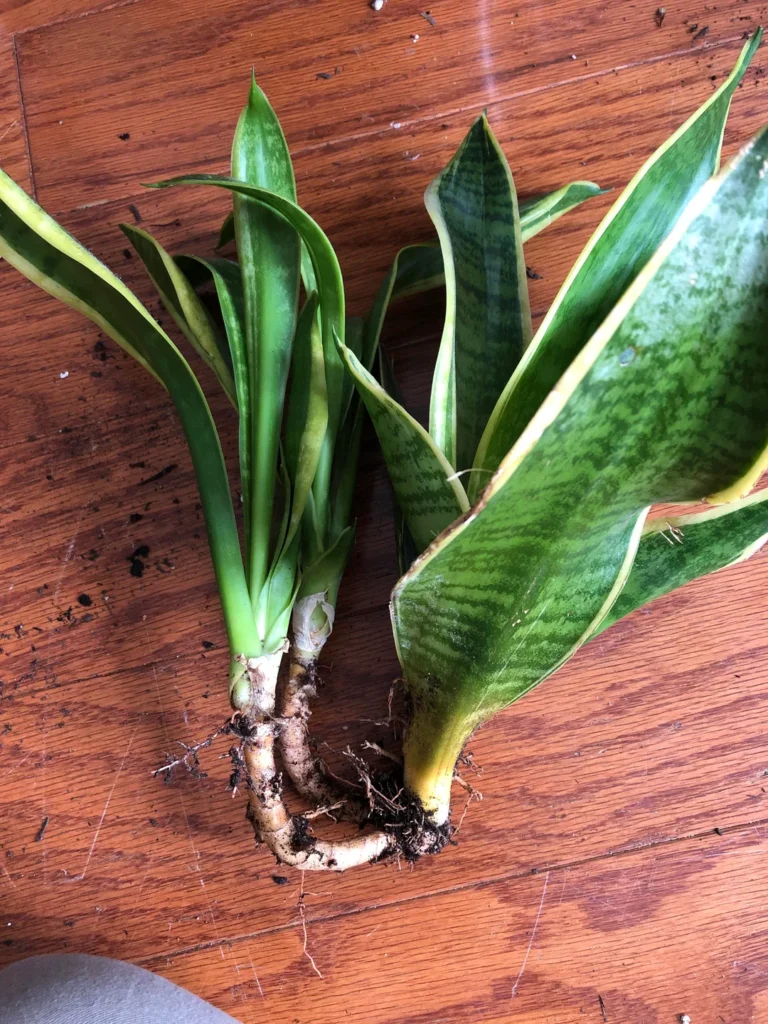
✓ New rhizome formation
✓ Tiny shoots developing
- Warning Signs
✗ Mushy stem
✗ Black discoloration
✗ Foul odor
✗ Leaf collapse
If rot develops, trim affected areas and restart with fresh water.
What Are the Most Common Snake Plant Water Propagation Mistakes?
Many beginners unknowingly slow down rooting success due to common mistakes when watering the snake plant.
Mistake #1: Using Too Much Water
Only the cut end should remain submerged.
Mistake #2: Skipping the Callus Period
Fresh cuts are more susceptible to rot.
Mistake #3: Using Dirty Containers
Bacteria can quickly contaminate the water.
Mistake #4: Expecting Fast Results
Snake plants root more slowly than pothos or philodendrons.
Mistake #5: Placing in Low Light
Insufficient light delays root production.
Can Snake Plants Live Permanently in Water?
Yes, but there are trade-offs.
Many homeowners successfully grow snake plants hydroponically.
Advantages
- Unique decorative display
- Less soil mess
- Easy root monitoring
Disadvantages
- Slower growth
- Nutrient deficiencies over time
- More frequent maintenance
Expert Recommendation
For long-term growth, transferring rooted cuttings into soil usually produces stronger plants.
When Should You Move a Snake Plant From Water to Soil?
Timing matters.
Wait until roots are at least 1–2 inches long before transplanting.
Signs It’s Ready
- Multiple healthy roots
- Strong root system
- Stable cutting
- No signs of rot
Transplant Tip
Use a well-draining succulent or cactus mix for best results.
Water Propagation vs Soil Propagation: Which Is Better?
| Feature | Water Propagation | Soil Propagation |
| Beginner Friendly | Excellent | Good |
| Root Visibility | High | Low |
| Rot Monitoring | Easy | Difficult |
| Speed | Moderate | Moderate |
| Maintenance | Higher | Lower |
Verdict
Water propagation is best for beginners who want to observe root development.
Soil propagation is often better for long-term plant establishment.
Snake Plant Water Propagation Troubleshooting Chart
| Problem | Likely Cause | Solution |
| No roots after 6 weeks | Low light | Increase indirect light |
| Leaf turning yellow | Excess moisture | Reduce water exposure |
| Black stem | Rot | Remove damaged section |
| Cloudy water | Bacteria | Change water immediately |
| Slow growth | Cool temperatures | Move to warmer area |
Myth vs Fact
Myth: Snake Plants Root in a Few Days
Fact: Most cuttings need several weeks before roots appear.
Myth: More Water Means Faster Growth
Fact: Excess water often increases rot risk.
Myth: Direct Sunlight Speeds Rooting
Fact: Bright indirect light is ideal.
Frequently Asked Questions
Can I Propagate a Snake Plant From One Leaf?
Yes. A single healthy leaf can produce roots and eventually develop into a new plant.
How Long Does Snake Plant Water Propagation Take?
Most cuttings begin rooting within 2–6 weeks, though complete establishment may take 8–12 weeks.
Why Is My Snake Plant Cutting Rotting?
Rot usually results from dirty water, excessive submersion, or skipping the callusing stage.
Should I Use Tap Water?
Filtered or distilled water is generally preferred, though many cuttings also root successfully in tap water.
Can I Leave My Snake Plant in Water Forever?
Yes, but periodic nutrients may be necessary for long-term growth.
Why Are My Roots Growing So Slowly?
Snake plants naturally grow at a slower pace than many common houseplants.
Do I Need Rooting Hormone?
No. Snake plants usually root successfully without rooting hormone.
What Is the Best Season for Propagation?
Spring and summer typically produce the fastest rooting results.
Can I Propagate Variegated Snake Plants in Water?
Yes, but leaf propagation may not preserve the original variegation pattern.
How Much Sunlight Does a Propagating Snake Plant Need?
Bright indirect light provides the best rooting conditions.
Key Takeaways
- Snake plants can be propagated successfully in water.
- Always use healthy leaf cuttings.
- Let cuttings callus for 24–48 hours before placing them in water.
- Change water every 5–7 days.
- Expect roots within 2–6 weeks.
- Transfer to soil once roots reach 1–2 inches long.
Final Thoughts
Learning how to propagate snake plant in water is one of the easiest and most rewarding plant projects for beginners. With a healthy cutting, clean water, and a little patience, you can transform a single leaf into multiple thriving plants. The secret isn’t speed, it’s consistency. Follow the simple steps above, avoid common mistakes, and you’ll be well on your way to growing a collection of beautiful snake plants from just one cutting.

Sophie Bennett
Sophie Bennett is a Plant lover, chronic propagator, and firm believer that every room needs at least one Monstera. She writes about plant care, styling, and the joy of bringing the outdoors in keeping it honest, simple, and always beginner friendly.
Sophie Bennett
Sophie Bennett is a Plant lover, chronic propagator, and firm believer that every room needs at least one Monstera. She writes about plant care, styling, and the joy of bringing the outdoors in keeping it honest, simple, and always beginner friendly.
Get more inspiration
Subscribe for weekly plant care tips, grow guides, and fresh inspiration delivered straight to your inbox.