
Money Plant Yellow Leaves: 9 Reasons Your Indoor Money Plant Is Turning Yellow
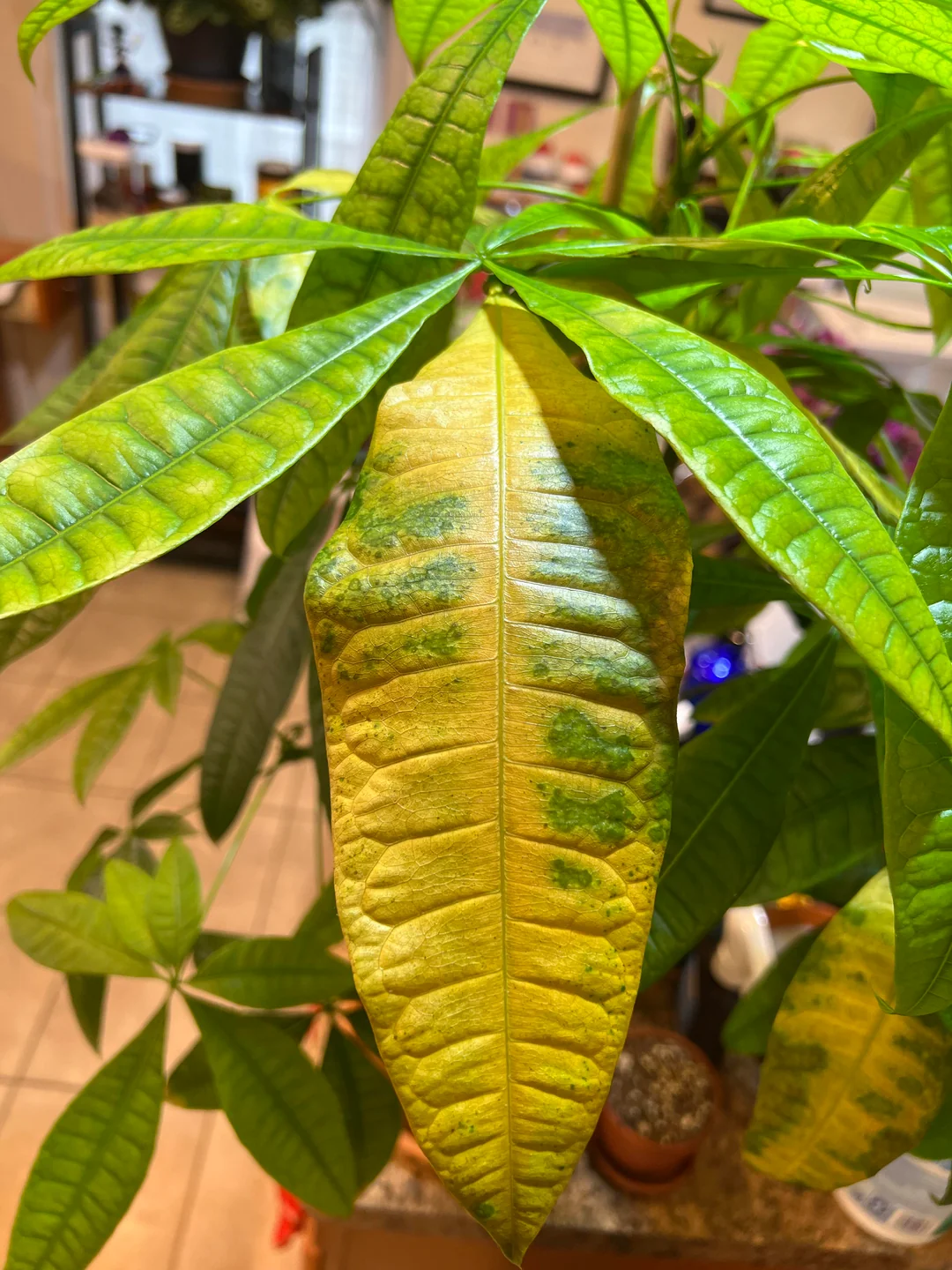
Seeing money plant yellow leaves can be frustrating, especially when your plant looked healthy just a few days ago. The good news is that yellowing leaves are often your plant’s way of signaling a care issue that’s easy to fix. In this guide, you’ll learn the real reasons your money plant is turning yellow, how to identify the cause, and the simple steps to restore lush, green growth.
Why Are My Money Plant Yellow Leaves Appearing?
Money plants are among the easiest indoor plants to grow, but even these hardy houseplants will show signs of stress when their growing conditions aren’t ideal. One of the earliest and most noticeable warning signs is yellowing leaves.
Sometimes only a single leaf turns yellow, while other times multiple leaves begin fading at once. The pattern of yellowing often reveals what’s causing the problem. For example, yellow leaves with soft stems usually point to overwatering, while dry, crispy yellow leaves often indicate underwatering or low humidity.
Before removing the yellow leaves, take a closer look at your plant’s environment. Checking the soil moisture, lighting, drainage, and overall plant health will help you identify the real issue and fix it before more leaves are affected.
Below are the nine most common reasons your money plant leaves are turning yellow indoors and exactly how to solve each one.
1. Overwatering
Overwatering is the leading cause of money plant yellow leaves.
Money plants enjoy evenly moist soil but dislike sitting in water for extended periods. Constantly wet soil deprives the roots of oxygen, causing them to weaken and eventually rot.
Signs
- Yellow leaves throughout the plant
- Soft, mushy stems
- Wet or soggy soil
- Leaves falling off easily
- Foul smell coming from the pot
Quick Fix
- Allow the soil to dry before watering again.
- Empty excess water from saucers.
- Repot into fresh, well-draining soil if root rot has started.
- Always use pots with drainage holes.
2. Underwatering
While money plants tolerate occasional dry spells, prolonged dryness eventually causes stress.
Without enough moisture, the plant begins sacrificing older leaves to conserve water for new growth.
Signs
- Dry yellow leaves
- Crispy brown edges
- Curling foliage
- Soil pulling away from the sides of the pot
Quick Fix
- Water deeply until excess drains from the bottom.
- Water only when the top 1–2 inches of soil feel dry.
- Avoid allowing the soil to become bone dry for long periods.
3. Poor Drainage
Even if you water correctly, poor drainage can create the same problems as overwatering.
Heavy potting mixes hold moisture around the roots for too long, leading to yellow leaves and weak growth.
Signs
- Soil stays wet for several days
- Slow growth
- Yellow lower leaves
- Fungus gnats around the pot
Quick Fix
- Repot using a well-draining indoor plant mix.
- Add perlite or coarse sand to improve aeration.
- Ensure the pot has multiple drainage holes.
4. Too Little Light
Money plants are adaptable but grow best in bright, indirect light.
In dark corners, photosynthesis slows, causing leaves to lose their rich green color and gradually turn yellow.
Signs
- Pale or yellow leaves
- Long, leggy vines
- Smaller new leaves
- Slow growth
Quick Fix
- Move the plant near a bright window.
- Provide 6–8 hours of indirect sunlight daily.
- Rotate the pot every few weeks for even growth.
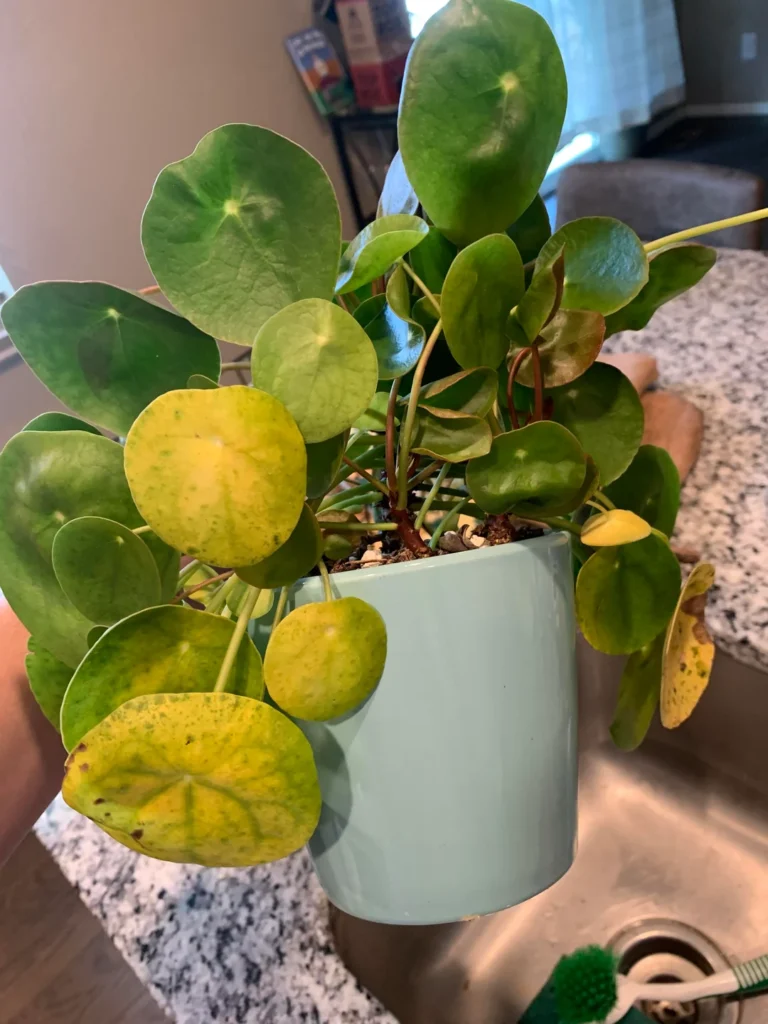
5. Money plant yellow leaves: Nutrient Deficiency
Like all houseplants, money plants rely on nutrients to produce healthy, vibrant foliage. If your plant has been growing in the same soil for a long time without fertilizer, it may begin showing signs of nutrient deficiency. Nitrogen deficiency, in particular, often causes older leaves to turn yellow first because the plant redirects nutrients to support new growth.
Signs
- Older leaves turning pale yellow
- Slow or stunted growth
- Smaller new leaves
- Weak vines
Quick Fix
- Feed your money plant with a balanced liquid houseplant fertilizer.
- Fertilize once every 4–6 weeks during spring and summer.
- Avoid overfertilizing, as excess nutrients can also damage the roots.
6. Temperature Stress
Money plants thrive in warm indoor environments but can struggle when exposed to sudden temperature changes. Cold drafts, air conditioners, heaters, or placing the plant near frequently opened windows can stress the plant and cause yellowing leaves.
Signs
- Yellow leaves appearing suddenly
- Drooping foliage
- Brown leaf edges
- Slowed growth
Quick Fix
- Keep your money plant in temperatures between 65°F and 85°F (18°C–29°C).
- Avoid placing it near heating vents or cold drafts.
- Maintain a stable indoor temperature throughout the year.
7. Pest Infestation
Although money plants are fairly resistant to pests, insects like spider mites, mealybugs, aphids, and scale insects can weaken the plant by feeding on its sap. As the infestation grows, leaves may begin turning yellow and eventually fall off.
Signs
- Tiny webs on leaves
- Sticky residue
- White cotton-like clusters
- Yellow spots or curling leaves
Quick Fix
- Wipe the leaves with a damp cloth.
- Spray the plant with neem oil or insecticidal soap.
- Isolate infected plants to prevent pests from spreading.
8. Root-Bound Plant
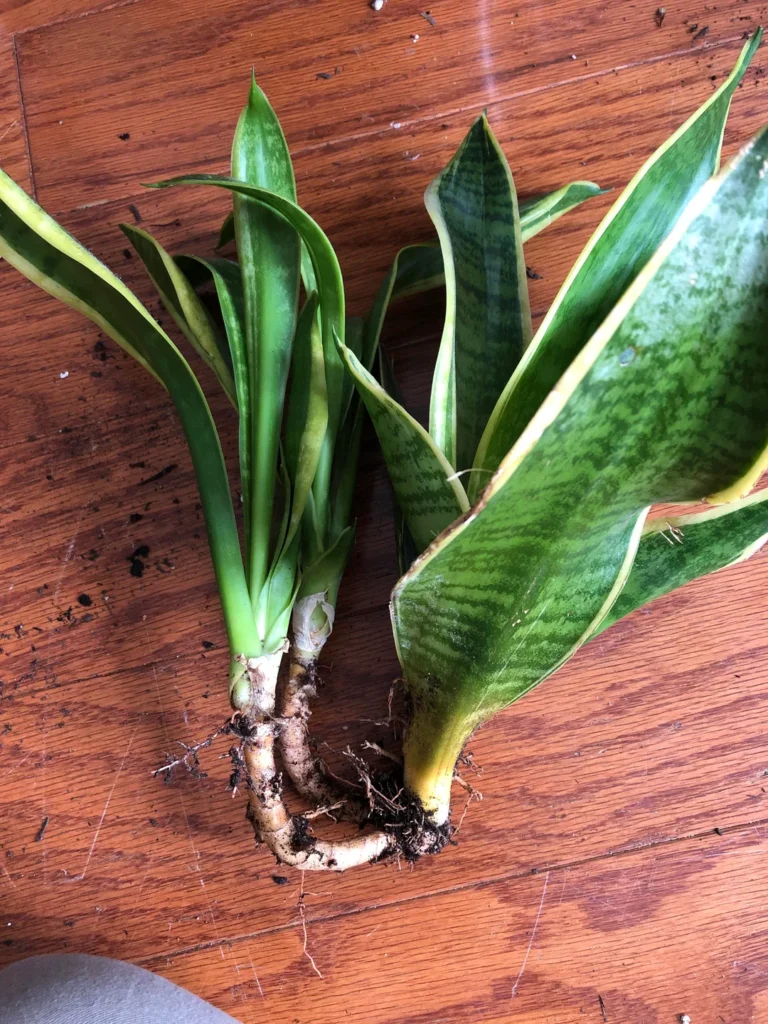
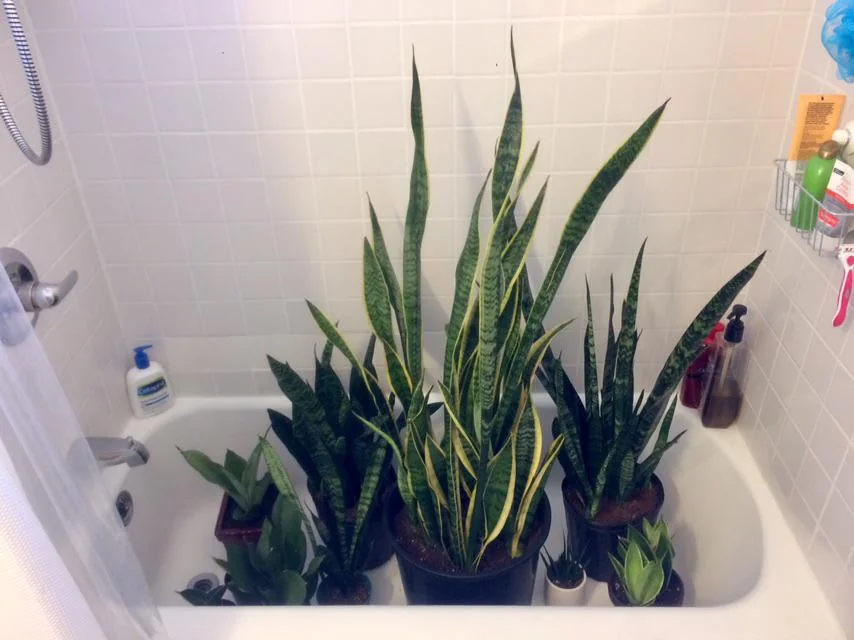
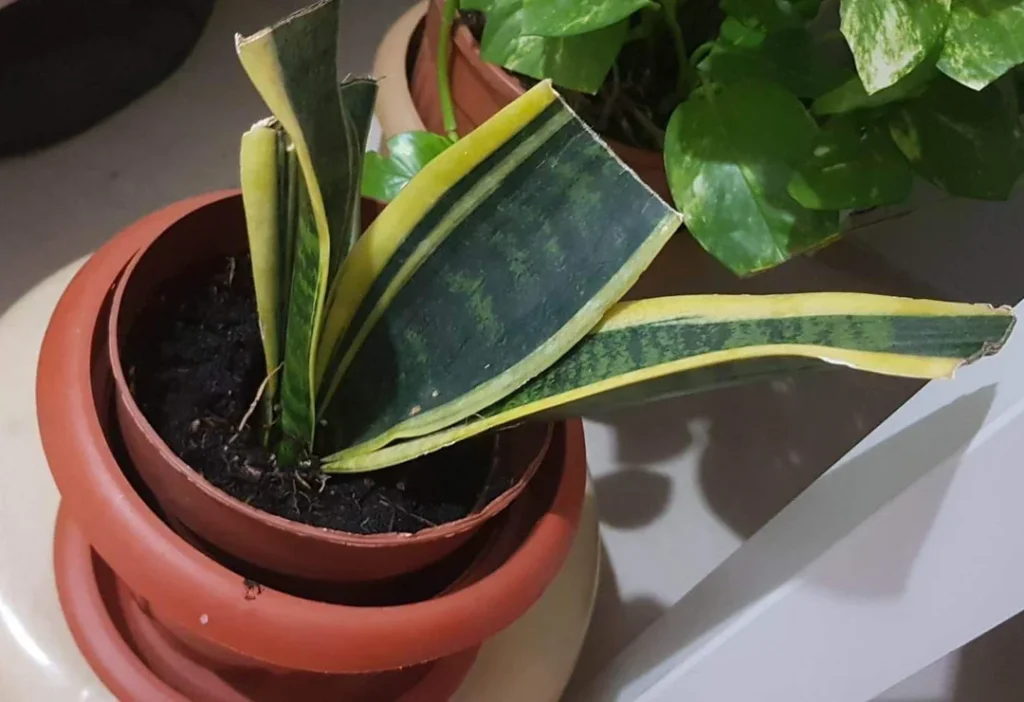
Money plants grow quickly indoors, and over time their roots can fill the pot, but their leaves can turn yellow, like snake plant leaves. When roots become overcrowded, they struggle to absorb water and nutrients efficiently, leading to yellow leaves and slower growth.
Signs
- Roots growing through drainage holes
- Water drains immediately after watering
- Slow growth
- Yellowing lower leaves
Quick Fix
- Repot into a container that is only 1–2 inches larger.
- Refresh the soil with a nutrient-rich, well-draining mix.
- Repot every 2–3 years as needed.
9. Natural Aging
Sometimes yellow leaves are completely normal. As your money plant grows, older leaves near the base naturally age, turn yellow, and eventually drop off to make room for fresh growth.
Signs
- Only one or two older leaves affected
- New growth remains healthy and green
- No signs of pests or disease
Quick Fix
- Gently remove yellow leaves with clean pruning shears.
- Continue your normal care routine.
- Monitor for additional yellowing, which could indicate another issue.
Money plant yellow leaves: Quick Diagnosis Table
| Cause | Common Signs | Best Solution |
| Overwatering | Soft yellow leaves, soggy soil | Let soil dry and improve drainage |
| Underwatering | Dry, crispy yellow leaves | Water deeply when soil is dry |
| Poor Drainage | Wet soil, fungus gnats | Use well-draining potting mix |
| Low Light | Pale leaves, leggy vines | Move to bright indirect light |
| Nutrient Deficiency | Slow growth, pale older leaves | Fertilize during growing season |
| Temperature Stress | Sudden yellowing, drooping | Maintain stable indoor temperatures |
| Pests | Sticky leaves, webs, insects | Treat with neem oil or insecticidal soap |
| Root Bound | Roots emerging from pot | Repot into a slightly larger container |
| Natural Aging | Older bottom leaves yellow | Remove old leaves and continue care |
Frequently Asked Questions
1. Can yellow money plant leaves turn green again?
Unfortunately, once a leaf has turned completely yellow, it won’t become green again. Focus on correcting the underlying problem so new leaves grow healthy.
2. How often should I water my money plant?
Water when the top 1–2 inches of soil feel dry. The exact frequency depends on your home’s temperature, humidity, and lighting.
3. Should I remove yellow leaves?
Yes. Pruning yellow leaves helps your plant direct its energy toward producing healthy new growth.
4. Does low light cause yellow leaves?
Yes. Insufficient light slows photosynthesis, causing leaves to fade, yellow, and sometimes drop.
5. Can too much fertilizer cause yellow leaves?
Yes. Excess fertilizer can burn roots, leading to yellow leaves and poor growth. Always follow the recommended dosage.
6. Is tap water safe for money plants?
Most money plants tolerate tap water, but if your water is heavily chlorinated, letting it sit overnight before watering can help.
7. When should I repot my money plant?
Repot every 2–3 years or whenever roots begin growing out of the drainage holes.
8. Why are only the bottom leaves turning yellow?
This is often due to natural aging, although it can also indicate overwatering or nutrient deficiency.
9. Can pests make money plant leaves yellow?
Yes. Sap-sucking pests weaken the plant and commonly cause yellowing, curling, and leaf drop.
10. How long does it take for a money plant to recover?
If the issue is corrected early, new healthy growth usually appears within a few weeks, although severely damaged leaves won’t recover.
Bring Your Indoor Money Plant Back to Life.
If you’re noticing money plant yellow leaves, don’t ignore the warning signs. Yellowing leaves are your plant’s way of telling you that something in its care routine needs attention. The sooner you identify the cause, whether it’s overwatering, underwatering, poor lighting, nutrient deficiency, or pests—the easier it is to restore your money plant to its healthy, vibrant state. With a few simple adjustments, you can encourage fresh green growth and prevent further damage.
Healthy indoor plants not only enhance the beauty of your home but also create a refreshing, calming environment. By following the practical tips shared in this guide, you’ll be well-equipped to keep your money plant thriving throughout the year.
More Care Brings More Health
Looking to become an even better plant parent? Explore our collection of expert indoor gardening guides for more tips on watering schedules, fertilizing techniques, pest control, repotting, and plant care for every season. Whether you’re a beginner or an experienced gardener, you’ll find easy-to-follow advice to help your houseplants flourish.
If this guide helped you solve your money plant yellow leaves problem, share it with fellow plant lovers and bookmark it for future reference. A little care today can reward you with a lush, healthy money plant that brightens your home for years to come.

Sophie Bennett
Sophie Bennett is a Plant lover, chronic propagator, and firm believer that every room needs at least one Monstera. She writes about plant care, styling, and the joy of bringing the outdoors in keeping it honest, simple, and always beginner friendly.
Sophie Bennett
Sophie Bennett is a Plant lover, chronic propagator, and firm believer that every room needs at least one Monstera. She writes about plant care, styling, and the joy of bringing the outdoors in keeping it honest, simple, and always beginner friendly.
Get more inspiration
Subscribe for weekly plant care tips, grow guides, and fresh inspiration delivered straight to your inbox.