
Pothos Not Growing? 5 Hidden Reasons No One Talks About
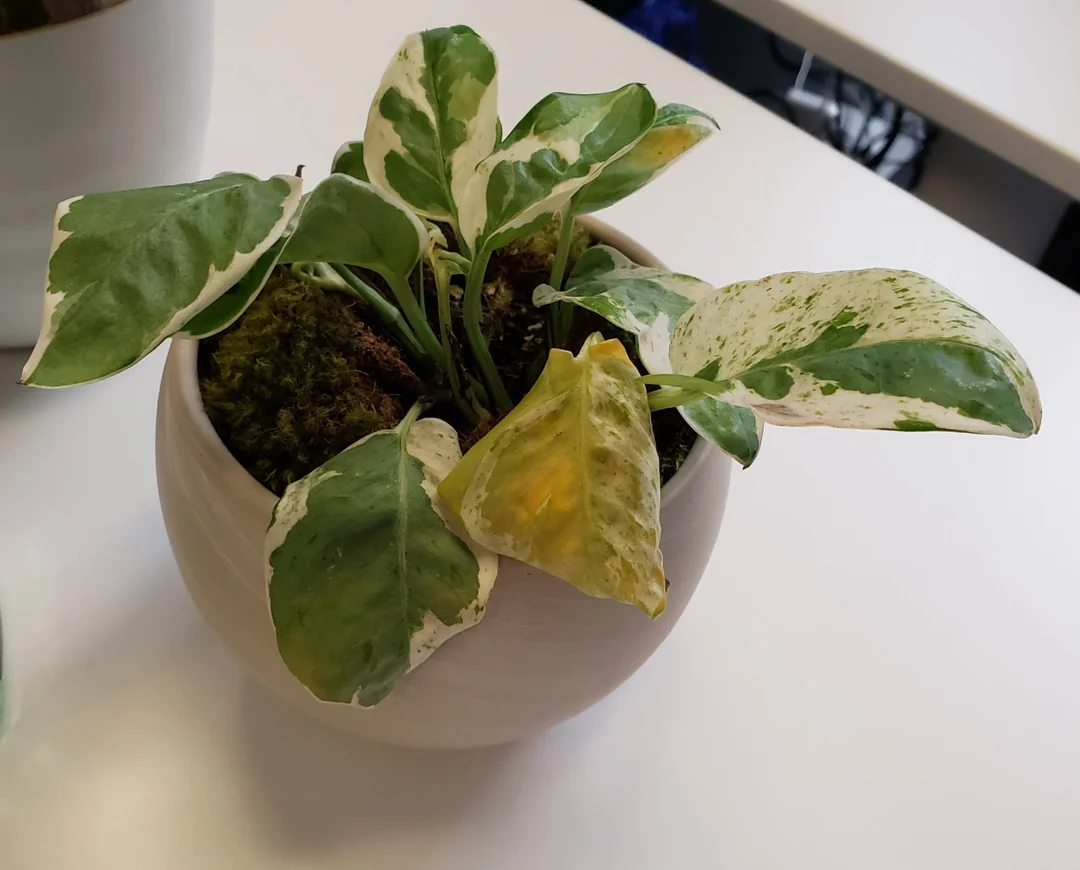
Is your pothos looking healthy but refusing to grow? If you’re dealing with a pothos not growing problem, the cause may not be as obvious as poor watering or low light. This guide uncovers five hidden reasons that often go unnoticed and shares practical solutions to help your pothos start producing lush, healthy vines again.
Pothos is one of the easiest and fastest-growing houseplants, making it a favorite among beginners and experienced plant lovers alike. Under the right conditions, its vines can grow several feet long, creating a beautiful trailing display that instantly brightens any indoor space.
So, when your pothos suddenly stops growing, it can be confusing. Maybe the leaves still look green, but no new vines appear. Or perhaps your plant has stayed exactly the same size for months despite regular watering and care.
If your pothos not growing issue has left you frustrated, don’t assume your plant is dying. In many cases, pothos simply reacts to subtle changes in its environment that most people overlook. While common advice often focuses on watering and sunlight, there are several hidden factors that quietly slow growth without causing obvious damage.
The good news is that once you identify the real cause, your pothos can often recover surprisingly quickly. Let’s explore the hidden reasons your pothos has stopped growing and the simple changes that can bring it back to life.
If your pothos not growing problem continues despite proper watering and lighting, hidden causes such as compacted soil, mineral buildup, low humidity, root-bound conditions, and seasonal dormancy may be responsible. Correcting these overlooked issues can restore healthy growth and encourage larger leaves and longer vines.
Why Is My Pothos Not Growing?
Pothos naturally grows faster than many other indoor plants. During spring and summer, healthy plants regularly produce new leaves and longer vines every few weeks.
If your pothos has stopped growing altogether, it’s usually responding to stress rather than disease. The challenge is that some forms of stress aren’t immediately visible.
Your plant may look perfectly healthy while hidden problems develop beneath the soil or inside the root system.
Some of the most overlooked causes include:
- Compacted soil
- Poor root airflow
- Mineral buildup from tap water
- Low humidity
- Crowded roots
- Seasonal dormancy
Fortunately, every one of these problems has a solution.
1. Your Soil Has Become Too Compacted
One of the biggest reasons a pothos not growing goes unnoticed is compacted soil.
Most people continue watering their plant for months or even years without realizing the potting mix has gradually broken down.
As soil ages, it becomes denser.
Dense soil creates two major problems:
- Water drains much more slowly.
- Roots receive less oxygen.
Healthy roots need oxygen just as much as they need water. Without enough airflow, root growth slows dramatically, and so does the rest of the plant.
Signs of Compacted Soil
- Water sits on top of the soil before soaking in.
- Soil feels hard when touched.
- Growth has stopped.
- Leaves remain green but smaller than before.
- Water drains very slowly.
How to Fix It
The best solution is repotting.
Choose fresh indoor potting soil mixed with:
- Perlite
- Orchid bark
- Coco chips
These ingredients improve airflow while allowing excess water to drain quickly.
After repotting, your pothos usually begins producing stronger roots within a few weeks.
2. Mineral Buildup Is Silently Damaging the Roots
Here’s something most plant care guides rarely mention.
Every time you water with untreated tap water, tiny amounts of minerals remain inside the soil.
Over months or years, these minerals accumulate around the roots.
Eventually they begin interfering with nutrient absorption.
Your pothos may receive enough fertilizer, enough sunlight, and enough water—but still refuse to grow because the roots can’t properly absorb nutrients.
Common Signs
- White crust on the soil surface
- Brown leaf tips
- Slower vine growth
- Pale leaves despite fertilizing
- Dry leaf edges
How to Fix It
Flush the soil every few months.
Simply water thoroughly until excess water drains freely from the bottom.
If your local tap water is very hard, consider using:
- Filtered water
- Distilled water
- Rainwater
Replacing old potting soil every couple of years also removes accumulated salts and minerals.
3. Your Indoor Air Is Too Dry
Pothos adapts well to average household humidity, but extremely dry indoor air often slows growth much more than people realize.
This problem becomes especially noticeable during winter when heaters reduce indoor humidity.
Although your pothos may survive, it begins conserving energy rather than producing new vines.
Symptoms
- Small new leaves
- Brown leaf edges
- Crispy tips
- Slow vine development
- Leaves losing their glossy appearance
How to Fix It
Increasing humidity doesn’t have to be complicated.
Try one or more of these methods:
- Group houseplants together.
- Place a pebble tray beneath the pot.
- Use a humidifier nearby.
- Keep the plant away from heating vents.
Aim for humidity levels between 40% and 60% for the healthiest growth.
You’ll often notice larger leaves and stronger vines once humidity improves.
4. Your Pothos Is Root-Bound Without You Realizing It
Pothos plants enjoy being slightly root-bound, but there’s a limit. When the roots completely fill the pot, they begin competing with each other for water, nutrients, and space. At this stage, growth often slows or stops altogether.
Many plant owners don’t realize their pothos is root-bound because the leaves may still look healthy. The plant simply stops producing new vines and larger leaves.
Signs Your Pothos Is Root-Bound
- Roots growing through drainage holes
- Water runs straight through the pot
- Soil dries out much faster than usual
- Slow or no new growth
- Smaller leaves than before
How to Fix It
Choose a pot that’s only 1–2 inches larger than the current one.
Repotting into a container that’s too large can hold excess moisture and increase the risk of root rot.
After repotting:
- Water thoroughly.
- Place the plant in bright, indirect light.
- Avoid fertilizing for two to three weeks while the roots settle.
Within a month, you’ll often notice fresh leaves and stronger vine growth.
5. Your Pothos Is Resting for the Season
Sometimes your pothos isn’t growing because… it’s completely normal.
Like many tropical houseplants, pothos naturally slows its growth during fall and winter. Shorter days and cooler temperatures signal the plant to conserve energy instead of producing new foliage.
This seasonal dormancy is often mistaken for poor health.
Signs of Dormancy
- Healthy green leaves
- No yellowing or pests
- Little or no new growth
- Growth slows during colder months
How to Fix It
In this case, the best solution is patience.
Continue providing:
- Bright indirect light
- Moderate watering
- Warm indoor temperatures
Avoid fertilizing until spring, when active growth resumes naturally.
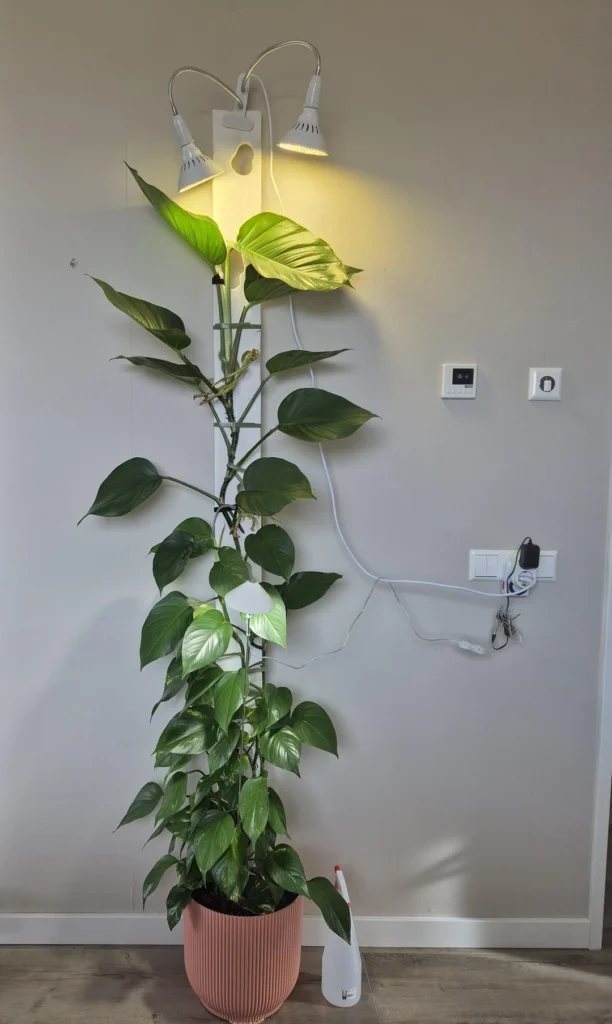
Quick Diagnosis Table
| Hidden Reason | Common Signs | Simple Fix |
| Compacted Soil | Hard soil, slow drainage | Repot with fresh, airy soil |
| Mineral Buildup | White crust, brown tips | Flush soil and refresh potting mix |
| Low Humidity | Crispy edges, tiny leaves | Increase humidity around the plant |
| Root-Bound | Roots escaping pot, slow growth | Repot one size larger |
| Seasonal Dormancy | Healthy plant but inactive | Wait until spring and reduce watering |
How to Get Your Pothos Growing Again
If your pothos has stopped growing, don’t rush to replace it. In most cases, the plant isn’t dying—it simply needs better pathos-growing conditions. Once you address the underlying issue, pothos usually bounces back with healthy vines and vibrant new leaves.
Here are the best ways to encourage steady, healthy growth.
Give It Consistent Light
Pothos grows best when it receives 6–8 hours of bright, indirect sunlight each day.
If your plant sits in a dark corner, move it closer to a bright window. Even a small increase in light can make a noticeable difference over the next few weeks.
Water Based on Soil Moisture
Avoid watering on a fixed schedule.
Instead:
- Check the top 1–2 inches of soil.
- Water only when it feels dry.
- Let excess water drain completely.
Healthy roots need periods of both moisture and oxygen.
Feed During the Growing Season
Spring and summer are when pothos grows the fastest.
Feed with a balanced liquid fertilizer every four to six weeks.
Avoid overfeeding, as too much fertilizer can damage roots instead of encouraging growth.
Refresh Old Potting Soil
Potting soil doesn’t last forever.
Over time it loses nutrients and becomes compacted.
Replacing the soil every two or three years improves:
- Drainage
- Root airflow
- Nutrient availability
Fresh soil often gives slow-growing pothos a fresh start.
Keep Temperatures Stable
Pothos prefers temperatures between 65°F and 85°F (18°C–29°C).
Avoid placing it near:
- Air conditioners
- Heating vents
- Drafty windows
- Exterior doors
Stable temperatures help the plant focus on growth instead of survival.
Prune to Stimulate New Growth
Pruning encourages dormant nodes to activate.
Cut long vines just above a node using clean scissors.
Within a few weeks, multiple new shoots often emerge, making the plant fuller and healthier.
Clean the Leaves
Dust acts like a barrier between sunlight and the leaf surface.
Every few weeks:
- Wipe leaves with a damp microfiber cloth.
- Remove accumulated dust.
- Check for pests while cleaning.
Cleaner leaves photosynthesize more efficiently.
Be Patient
Growth rarely happens overnight.
After improving care, your pothos may need several weeks before producing noticeable new vines.
Consistency always beats frequent changes.
Small improvements made today often result in dramatic growth over the coming months.
Frequently Asked Questions
How long does it take for pothos to start growing again?
Most healthy pothos begin showing new growth within two to six weeks after the underlying issue is corrected.
Can pothos survive without growing?
Yes. A pothos can remain healthy for months with little visible growth, especially during winter dormancy.
Does repotting encourage faster growth?
Yes. Repotting into fresh, well-draining soil improves root health and often stimulates new growth.
Should I fertilize a pothos that isn’t growing?
Only during spring and summer. Fertilizing a dormant plant usually won’t improve growth.
Can low humidity stop pothos growth?
Yes. Extremely dry indoor air can reduce leaf size and slow vine development.
Is pothos naturally slow-growing?
No. Under proper care, pothos is considered one of the fastest-growing indoor plants.
Final Thoughts
If your pothos not growing problem has been frustrating, remember that the answer isn’t always obvious. Hidden issues like compacted soil, mineral buildup, low humidity, crowded roots, and seasonal dormancy often go unnoticed, yet they have a significant impact on growth. By making a few thoughtful adjustments and giving your plant consistent care, you can create the ideal environment for healthy roots, larger leaves, and longer vines. Pothos is incredibly resilient, and once its basic needs are met, it usually rewards you with vigorous new growth that transforms your indoor space.
One simple change today could be all your pothos needs to start growing stronger, fuller, and healthier than ever before.

Sophie Bennett
Sophie Bennett is a Plant lover, chronic propagator, and firm believer that every room needs at least one Monstera. She writes about plant care, styling, and the joy of bringing the outdoors in keeping it honest, simple, and always beginner friendly.
Sophie Bennett
Sophie Bennett is a Plant lover, chronic propagator, and firm believer that every room needs at least one Monstera. She writes about plant care, styling, and the joy of bringing the outdoors in keeping it honest, simple, and always beginner friendly.
Get more inspiration
Subscribe for weekly plant care tips, grow guides, and fresh inspiration delivered straight to your inbox.