
Water vs Soil: Best Way to Grow Money Plant Indoors
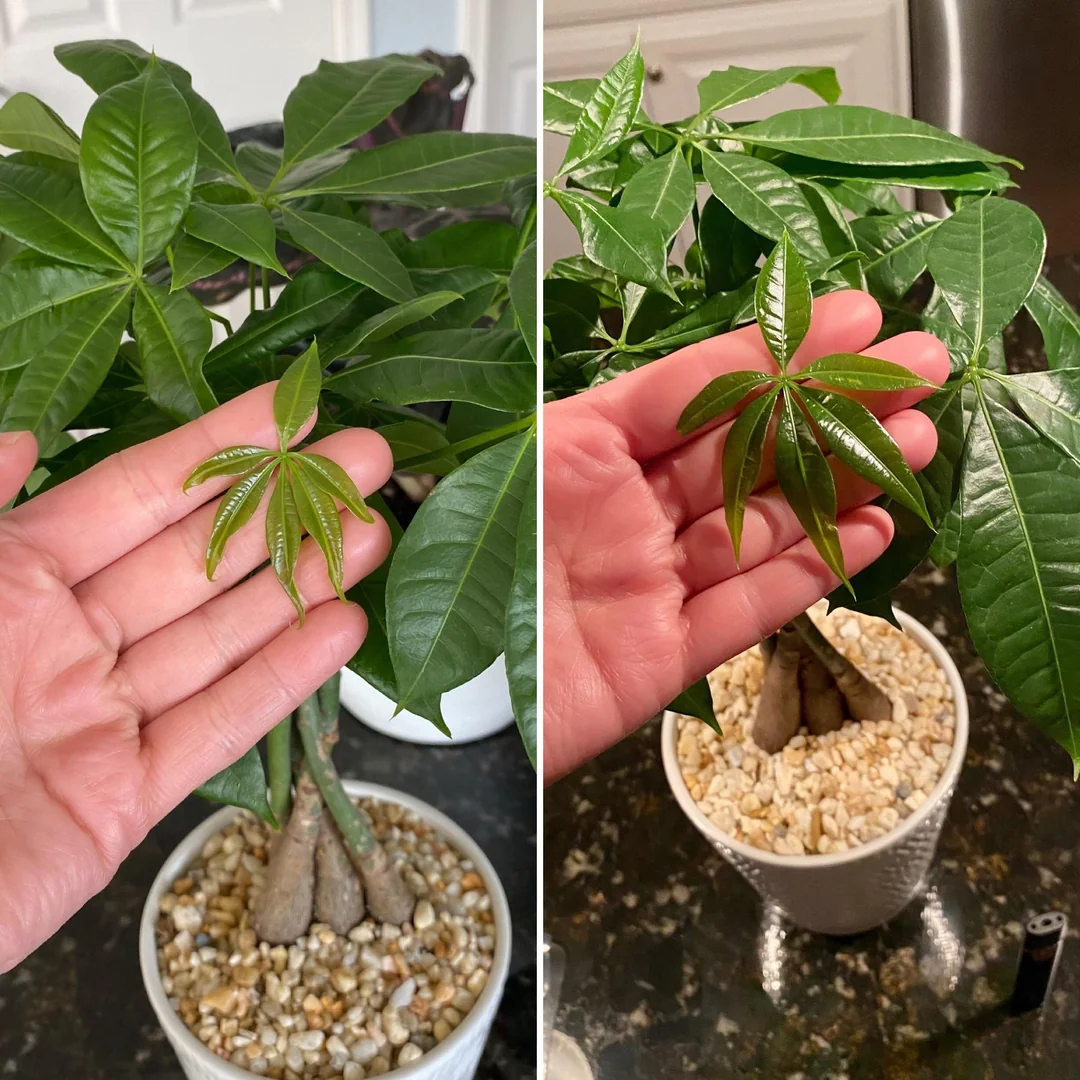
Wondering whether your money plant will thrive better in water or soil? If you’re comparing money plant water vs soil, the answer depends on your goals, maintenance routine, and how quickly you want your plant to grow. This guide compares both growing methods, explains their pros and cons, and helps you decide which option is best for your indoor space.
Water vs Soil: Best Way to Grow Money Plant Indoors
Money plants are among the most versatile houseplants you can own. Unlike many indoor plants, they can grow successfully in both water and soil, making them a popular choice for homes, offices, and apartments.
But just because a money plant can survive in both doesn’t mean both methods produce the same results. Some people love growing money plants in decorative glass jars filled with water because they look elegant and require less cleanup. Others prefer growing them in soil for faster growth, stronger roots, and lush, trailing vines. If you’ve been wondering about money plant water vs soil, you’re not alone. It’s one of the most common questions among beginner plant owners. The good news is that both methods work well—as long as you understand their advantages, limitations, and care requirements.
When comparing money plant water vs soil, soil is generally the better choice for faster growth, healthier roots, and long-term plant health. However, growing a money plant in water is ideal for decorative purposes and requires less frequent maintenance. The best option depends on whether you prioritize growth, appearance, or convenience.
Money Plant in Water vs Soil: What’s the Difference?
Although it’s the same plant, growing conditions vary significantly depending on whether your money plant is planted in soil or kept in water.
The biggest differences include:
- Growth speed
- Root development
- Nutrient availability
- Maintenance requirements
- Long-term health
- Decorative appeal
Let’s compare each factor in detail.
1. Growth Speed
If your goal is a large, fast-growing money plant, soil wins almost every time. Roots growing in soil have constant access to oxygen, nutrients, and beneficial microorganisms. These conditions encourage stronger root systems and quicker vine production. Plants grown in water can still grow well, but their development is usually slower because water contains very few nutrients unless fertilizer is added regularly.
Soil Advantages
- Faster vine growth
- Larger leaves
- Stronger stems
- More vigorous root system
Water Advantages
- Steady but slower growth
- Easy to monitor root health
- Great for propagation
Winner: Soil
2. Maintenance
Many beginners choose water because it appears easier.
There’s no soil to spill, no repotting mess, and it’s easy to see when the water level drops.
However, growing in water comes with its own responsibilities.
You’ll need to:
- Change the water every 1–2 weeks.
- Clean the container regularly.
- Prevent algae growth.
- Add liquid nutrients occasionally.
Soil-grown plants need watering less frequently but require occasional repotting.
Water Maintenance
✔ Clean appearance
✔ Easy watering
✔ Visible roots
Soil Maintenance
✔ Less frequent upkeep
✔ Better nutrient retention
✔ Longer intervals between care
Winner: Tie (depends on preference)
3. Root Health
Healthy roots are the foundation of a healthy money plant. Roots growing in soil develop differently from water roots. Soil provides oxygen pockets that strengthen root tissues and improve nutrient absorption. Water-grown roots adapt to living underwater and become thinner and more delicate. If you suddenly transfer an older water-grown plant into soil, it may experience temporary transplant shock while producing new soil roots.
Best Practice
If you plan to grow your money plant for years, soil provides the strongest long-term root development.
Winner: Soil
4. Appearance
This category depends entirely on personal taste. A money plant growing in a clear glass vase filled with water creates a clean, modern look that’s perfect for desks, kitchens, and office spaces. On the other hand, a soil-grown money plant often becomes fuller with longer vines, making it ideal for hanging baskets and shelves.
Water Is Great For
- Glass jars
- Decorative bottles
- Minimalist interiors
- Office desks
Soil Is Great For
- Hanging baskets
- Large indoor plants
- Moss poles
- Fuller foliage
Winner: Personal preference
5. Nutrient Availability
One of the biggest differences between money plant water vs soil is how nutrients reach the roots.
Soil naturally stores nutrients and beneficial microbes that continuously support plant growth.
Water contains almost no nutrients unless you add a liquid fertilizer.
Without supplemental feeding, water-grown money plants often produce smaller leaves and slower growth over time.
Growing in Soil
- Natural nutrient storage
- Slow nutrient release
- Better microbial activity
Growing in Water
- Requires liquid fertilizer
- Nutrients wash away during water changes
- Easier to overfeed
Winner: Soil
Which Method Has a Higher Risk of Root Rot?
When comparing money plant water vs soil, many people assume that growing a plant in water automatically leads to root rot. Surprisingly, that’s not always true.
Root rot usually occurs when roots don’t receive enough oxygen. In soil, this happens because the potting mix stays wet for too long. Poor drainage, heavy soil, or overwatering creates the perfect environment for harmful fungi that attack the roots.
In water, root rot is less about the water itself and more about poor maintenance. If the water isn’t changed regularly, bacteria and algae begin to build up, reducing oxygen levels and affecting root health.
Prevent Root Rot in Soil
- Use a well-draining potting mix.
- Always choose a pot with drainage holes.
- Water only when the top 1–2 inches of soil feel dry.
- Never leave excess water sitting in the saucer.
Prevent Root Rot in Water
- Change the water every 7–10 days.
- Wash the container before refilling it.
- Remove any yellow or mushy roots immediately.
- Keep only the roots submerged, not the stems or leaves.
Winner: Both methods are equally safe when cared for properly.
Which Method Is Better for Propagation?
One reason money plants are so popular is how easy they are to propagate.
Simply cut a healthy vine just below a node, place it in water, and wait for roots to develop. Within a few weeks, you’ll usually see white roots emerging from the nodes. Water propagation allows you to monitor root growth, making it ideal for beginners. Once the roots are 2–3 inches long, you have two options:
- Continue growing the cutting in water.
- Transfer it into soil for faster long-term growth.
Benefits of Water Propagation
- Easy to monitor root development.
- High success rate.
- Great for beginners.
- Requires very little equipment.
Benefits of Soil Propagation
- Roots adapt immediately to soil.
- Less transplant shock later.
- Faster establishment after rooting.
Winner: Water for propagation, soil for long-term growth.
Which Option Saves More Money?
If you’re looking for the most budget-friendly method, both options are inexpensive, but they have different long-term costs.
Growing a money plant in water doesn’t require potting mix, but you’ll likely need decorative glass containers, liquid fertilizer, and regular water changes.
Soil-grown plants require a pot and potting mix initially, but ongoing maintenance is generally lower.
Water Growing Costs
- Decorative vase or glass jar
- Liquid fertilizer
- Regular water replacement
Soil Growing Costs
- Pot with drainage holes
- Potting mix
- Occasional fertilizer
- Repotting every few years
For most homeowners, the overall cost difference is minimal.
Winner: Tie
Money Plant Water vs Soil: Quick Comparison Table
| Feature | Water | Soil |
| Growth Speed | Moderate | ⭐ Fast |
| Root Strength | Moderate | ⭐ Excellent |
| Maintenance | Water changes required | Occasional watering |
| Decorative Appeal | ⭐ Excellent | Excellent |
| Long-Term Health | Good | ⭐ Best |
| Nutrient Availability | Requires liquid fertilizer | Naturally nutrient-rich |
| Propagation | ⭐ Best | Good |
| Risk of Root Rot | Low with clean water | Low with proper drainage |
| Best For | Small indoor displays | Large, healthy houseplants |
How to Choose the Best Growing Method for Your Home
If you’re still deciding between money plant water vs soil, the right choice depends on how you plan to enjoy your plant. Both methods can produce healthy money plants, but they suit different lifestyles and expectations.
Choose Water If You Want a Decorative Display
Growing a money plant in water creates a clean, modern look that’s perfect for homes, apartments, and offices. A clear glass vase showcases the roots, making the plant feel more like a decorative centerpiece than a traditional houseplant.
Water-grown money plants are ideal if you:
- Prefer a minimalist aesthetic.
- Enjoy watching roots develop.
- Have limited space.
- Want an easy propagation setup.
Just remember that regular water changes are essential. Clean water helps prevent algae, bacteria, and unpleasant odors while keeping the roots healthy.
Choose Soil If You Want Faster Growth
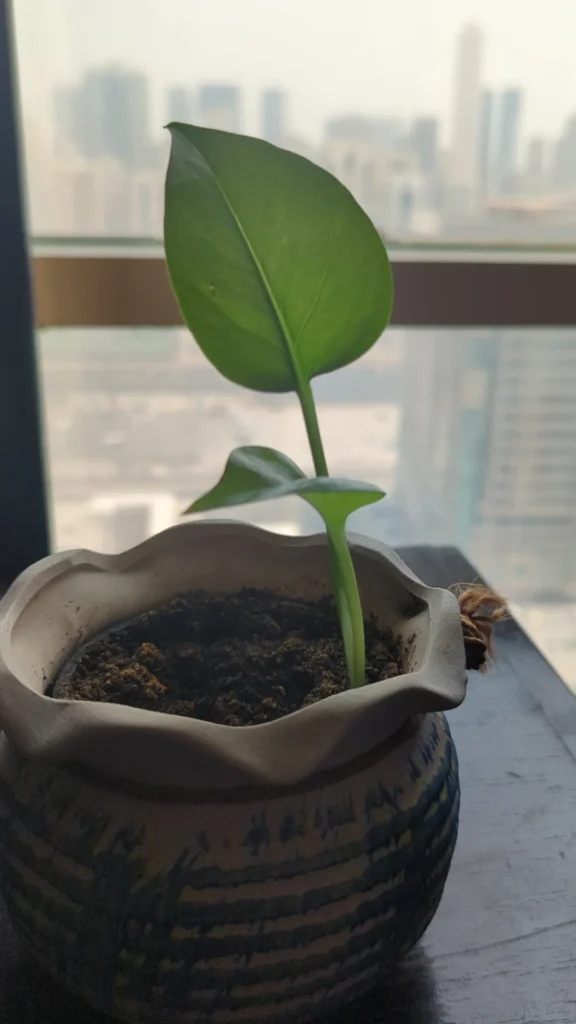
If your goal is a large, lush money plant with long cascading vines, soil is the better choice. It provides a more stable environment for root development and supplies nutrients that support vigorous growth.
Soil-grown money plants are perfect if you:
- Want fuller foliage.
- Plan to grow the plant for many years.
- Prefer larger leaves and stronger vines.
- Don’t mind occasional repotting.
With the right balance of light, watering, and fertilizing, soil-grown plants usually outgrow water-grown ones over time.
Can You Switch Between Water and Soil?
Yes, but timing matters.
Young cuttings transition much more easily than mature plants. If you’ve rooted a cutting in water, move it into soil once the roots reach 2–3 inches long. This helps the plant adapt before extensive water roots develop.
For mature plants, expect a short adjustment period. Some older water roots may die back while new soil roots form, but with consistent care, the plant usually recovers well.
The Best of Both Worlds
Many experienced plant owners use both methods.
They propagate new cuttings in water because it’s simple and highly successful. Once the roots are well established, they transfer the plants into soil for stronger growth and healthier foliage.
This approach combines the convenience of water propagation with the long-term benefits of soil, giving you the best results from both growing methods.
Frequently Asked Questions
Can a money plant live in water forever?
Yes. With regular water changes and occasional liquid fertilizer, a money plant can survive in water for many years.
Does a money plant grow faster in soil?
Yes. Soil generally provides better nutrition and stronger root development, resulting in faster growth.
Should I fertilize a money plant growing in water?
Yes. Since water contains very few nutrients, use a diluted liquid fertilizer every few weeks during the growing season.
Which method is better for beginners?
Both are beginner-friendly. Water is easier for propagation and decoration, while soil is better for long-term plant care.
Can I move my money plant from water to soil?
Absolutely. The best time is when the roots are young and about 2–3 inches long, making the transition smoother.
Does growing in water increase the risk of mosquitoes?
Not if you change the water regularly. Fresh, clean water prevents stagnant conditions where insects may breed.
Final Thoughts
When comparing money plant water vs soil, there isn’t a one-size-fits-all answer. Both methods can produce beautiful, healthy plants when given the right care. If you love a stylish, low-mess display and enjoy watching roots grow, water is an excellent option. If your goal is faster growth, larger leaves, stronger roots, and a thriving plant that will flourish for years, soil remains the better long-term choice.
Many indoor gardeners actually combine both methods—starting new cuttings in water and transferring them to soil once the roots are established. This gives the plant the best possible start while encouraging stronger long-term growth.
No matter which method you choose, consistency is the real secret to success. Provide bright, indirect light, avoid overwatering, monitor root health, and give your money plant the care it needs. With patience and the right growing conditions, your money plant will reward you with lush green foliage that brings life and beauty to any indoor space.
Whether you choose water or soil, the best-growing money plant is the one that receives consistent care, plenty of light, and a little patience every step of the way.

Sophie Bennett
Sophie Bennett is a Plant lover, chronic propagator, and firm believer that every room needs at least one Monstera. She writes about plant care, styling, and the joy of bringing the outdoors in keeping it honest, simple, and always beginner friendly.
Sophie Bennett
Sophie Bennett is a Plant lover, chronic propagator, and firm believer that every room needs at least one Monstera. She writes about plant care, styling, and the joy of bringing the outdoors in keeping it honest, simple, and always beginner friendly.
Get more inspiration
Subscribe for weekly plant care tips, grow guides, and fresh inspiration delivered straight to your inbox.