
Areca Palm Brown Leaves? 7 Easy Ways to Save Your Palm
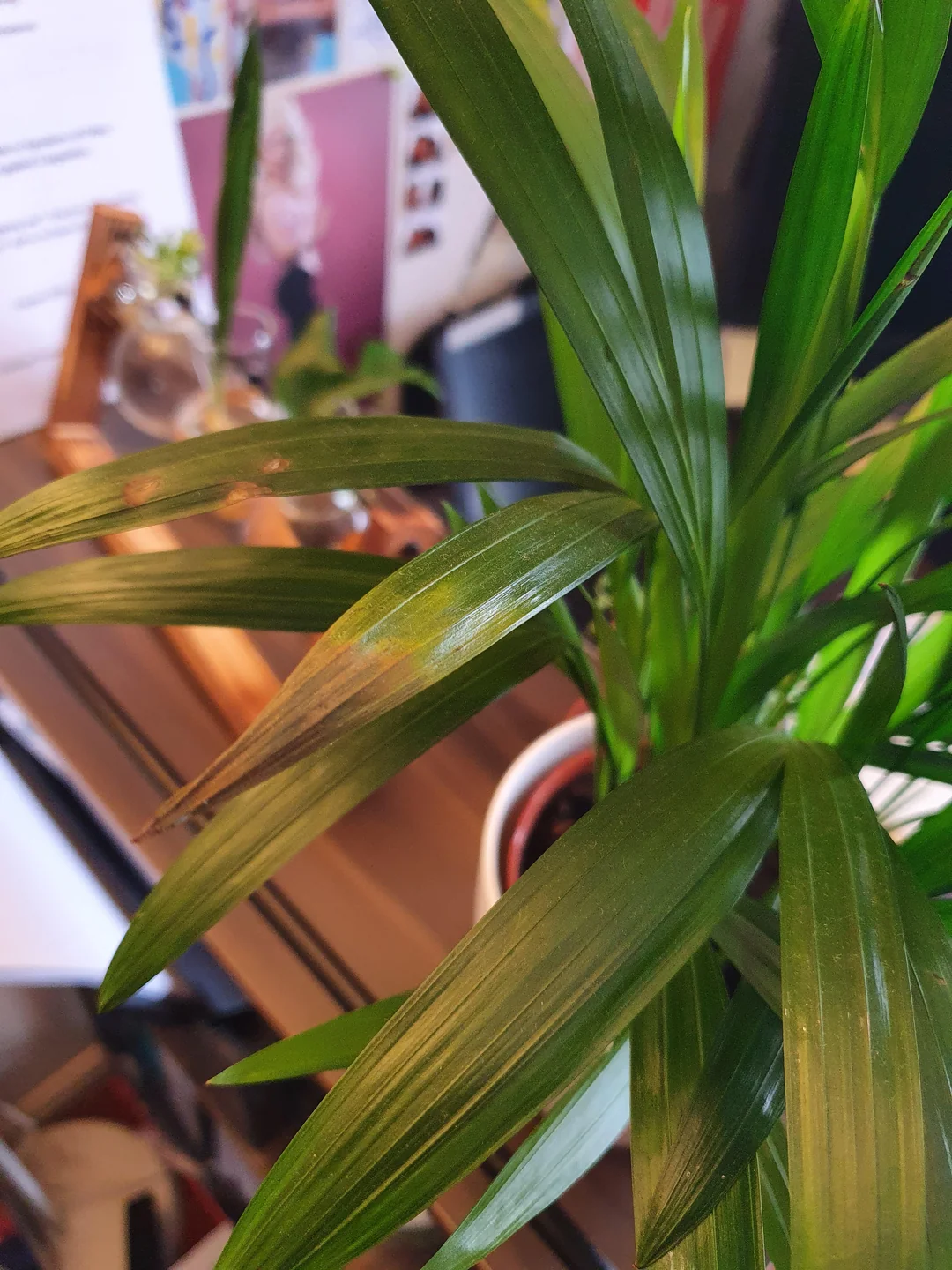
Seeing areca palm brown leaves can be frustrating, especially when your once-lush indoor palm starts looking dry and unhealthy. The good news is that brown leaves are usually caused by a few common care mistakes that are easy to fix. This guide explains the real reasons behind browning leaves and the best ways to restore your Areca palm to its vibrant green beauty.
The Areca Palm is one of the most elegant indoor plants you can own. Its graceful, feathery fronds instantly add a tropical feel to living rooms, offices, and bright indoor spaces. It’s also loved for being an excellent air-purifying plant that can thrive indoors with the right care.
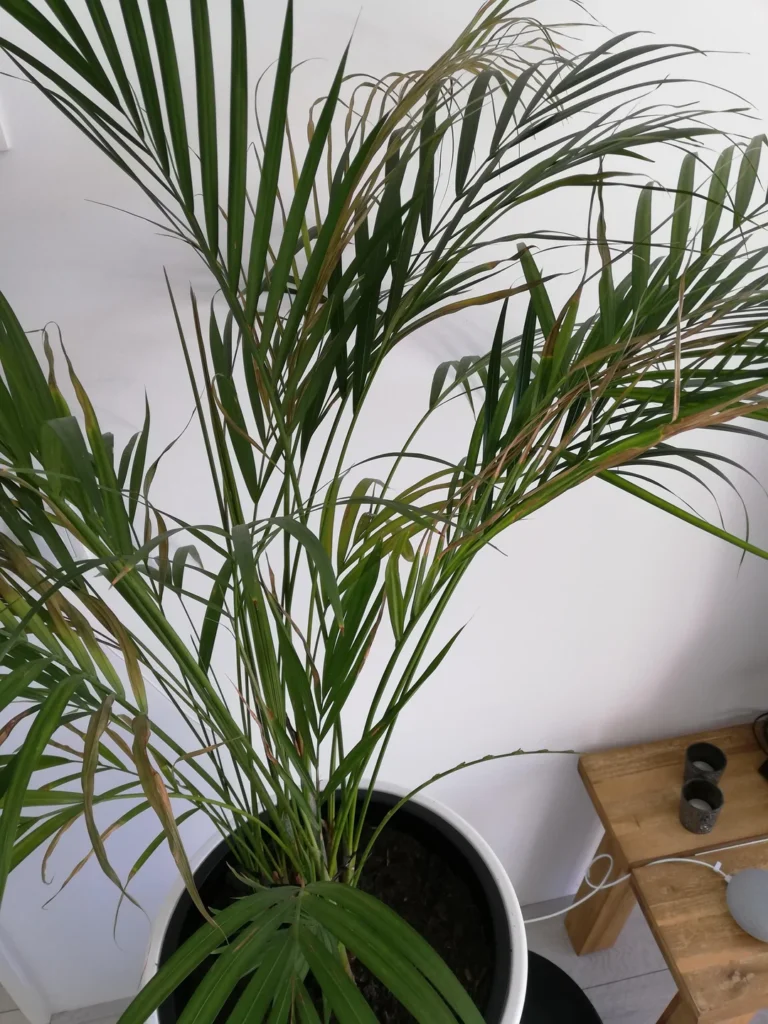
But even healthy Areca Palms can suddenly develop brown leaf tips, crispy edges, or entire fronds that turn brown. If you’re noticing areca palm brown leaves, don’t assume your plant is dying. Browning is usually a warning sign that something in its environment needs attention, whether it’s watering, humidity, lighting, or soil conditions. The sooner you identify the cause, the easier it is to stop the damage from spreading. Most problems can be corrected with a few simple adjustments, allowing your palm to produce fresh, healthy green growth again.
In this guide, we’ll cover the most common reasons Areca Palm leaves turn brown, how to identify each issue, and the quickest solutions to help your plant recover.
Why Are My Areca Palm Leaves Turning Brown?
Areca palm brown leaves are most commonly caused by underwatering, overwatering, low humidity, direct sunlight, poor water quality, nutrient deficiencies, temperature stress, or natural aging. Identifying the exact cause and adjusting your care routine can help prevent further browning and encourage healthy new growth. Brown leaves are one of the earliest signs that your Areca Palm is experiencing stress.
Sometimes the damage starts with tiny brown tips. Other times, entire fronds gradually dry out and become crispy. Understanding the pattern of browning can help you identify what’s wrong before the problem becomes severe.
The most common causes include:
- Underwatering
- Overwatering
- Low humidity
- Too much direct sunlight
- Poor water quality
- Nutrient deficiencies
- Temperature stress
- Natural aging
Let’s look at each cause in detail.
1. Underwatering Is Drying Out the Fronds
The most common reason for areca palm brown leaves is underwatering.
Areca Palms like consistently moist soil, but they don’t tolerate long periods of dryness. When the soil becomes too dry, the plant can’t supply enough moisture to the leaf tips, causing them to turn brown first.
Signs
- Dry potting soil
- Crispy brown tips
- Drooping fronds
- Lightweight pot
How to Fix It
- Water thoroughly until excess water drains from the bottom.
- Water when the top 1–2 inches of soil feel dry.
- Avoid letting the soil become completely dry for extended periods.
Consistent watering helps the palm maintain lush green foliage.
2. Overwatering and Root Problems
Too much water can cause the same symptom. When roots remain in soggy soil, they lose access to oxygen and may begin to rot. Damaged roots can’t absorb water effectively, causing leaves to brown even though the soil feels wet.
Signs
- Yellowing before browning
- Wet soil
- Soft stems
- Musty smell
- Slow growth
How to Fix It
- Allow the soil to partially dry before watering again.
- Repot if root rot is present.
- Use fresh, well-draining potting soil.
- Always grow the plant in a pot with drainage holes.
Healthy roots are essential for healthy fronds.
3. Low Humidity Is Drying the Leaf Tips
Areca Palms naturally grow in warm, humid tropical climates.
Indoor air, especially during winter, is often much drier than the plant prefers. Low humidity causes moisture to evaporate from the delicate leaf tips, resulting in brown edges.
Signs
- Brown tips only
- Crispy leaf edges
- Dry indoor air
- Otherwise healthy green leaves
How to Fix It
Increase humidity by:
- Using a humidifier.
- Placing the pot on a pebble tray.
- Grouping tropical plants together.
- Keeping the palm away from heating vents.
Aim for humidity levels between 50% and 60%.
4. Too Much Direct Sunlight
Although Areca Palms enjoy bright conditions, harsh afternoon sunlight can scorch the leaves.
Direct sun causes excessive moisture loss, leaving the fronds dry, faded, and brown.
Signs
- Brown patches
- Bleached foliage
- Crispy leaf edges
- Faster soil drying
How to Fix It
- Move the plant to bright, indirect light.
- Filter strong afternoon sunlight with sheer curtains.
- Rotate the pot every few weeks for even growth.
Bright filtered light keeps the foliage healthy while preventing sun damage.
5. Poor Water Quality Is Damaging the Fronds
One hidden reason for areca palm brown leaves is the quality of the water you’re using.
Areca Palms are sensitive to chemicals and minerals commonly found in tap water, including chlorine, fluoride, and excess salts. Over time, these substances build up in the soil and interfere with the plant’s ability to absorb moisture, causing brown leaf tips and edges.
Signs
- Brown tips despite proper watering
- White crust on the soil surface
- Healthy overall growth but damaged leaf edges
- No signs of pests or disease
How to Fix It
- Use filtered, distilled, or rainwater whenever possible.
- Flush the soil every two to three months to remove mineral buildup.
- Replace old potting soil every couple of years to keep the root zone healthy.
Making this simple change often prevents recurring brown tips on new growth.
6. Nutrient Deficiency Is Slowing Healthy Growth
Like every houseplant, Areca Palms need nutrients to produce lush green fronds.
If your plant hasn’t been fertilized for a long time, or if it’s been growing in the same soil for years, nutrient deficiencies can appear as yellowing followed by browning on older leaves.
Signs
- Pale green leaves
- Slow growth
- Brown tips on older fronds
- Smaller new leaves
How to Fix It
Feed your palm with a balanced liquid fertilizer designed for indoor foliage plants.
For best results:
- Fertilize every 4–6 weeks during spring and summer.
- Reduce feeding during fall.
- Stop fertilizing during winter when growth naturally slows.
Avoid overfertilizing, as too much fertilizer can also burn the leaves.
7. Temperature Stress
Areca Palms love warm, stable indoor conditions.
Cold drafts, sudden temperature changes, or placing the plant too close to air conditioners and heaters can stress the foliage, causing brown leaf edges and slowed growth.
Signs
- Brown tips appearing suddenly
- Curling fronds
- Drooping leaves
- Reduced new growth
How to Fix It
Keep your Areca Palm in temperatures between 65°F and 80°F (18°C–27°C).
Avoid placing it near:
- Air conditioning vents
- Heating vents
- Open windows during winter
- Exterior doors with cold drafts
A consistent environment helps your palm grow stronger and healthier.
8. Some Brown Leaves Are Completely Natural
Not every brown leaf means something is wrong.
As your Areca Palm matures, older fronds naturally age, dry out, and turn brown before dying. This process allows the plant to direct energy toward producing fresh, healthy growth.
Signs
- Browning only on the oldest lower fronds
- Healthy new leaves
- Continuous new growth
- No widespread damage
How to Fix It
Simply prune old brown fronds near the base using clean, sharp pruning shears.
Removing aging foliage improves the plant’s appearance and encourages new growth.
Quick Diagnosis Table
| Problem | Common Signs | Best Solution |
| Underwatering | Dry soil, crispy tips | Water deeply when soil begins to dry |
| Overwatering | Wet soil, yellow leaves | Improve drainage and reduce watering |
| Low Humidity | Brown tips, dry edges | Increase indoor humidity |
| Direct Sunlight | Brown patches, faded leaves | Move to bright indirect light |
| Poor Water Quality | White soil deposits, brown tips | Use filtered or distilled water |
| Nutrient Deficiency | Pale leaves, slow growth | Fertilize during growing season |
| Temperature Stress | Curling leaves, sudden browning | Maintain stable temperatures |
| Natural Aging | Older fronds only | Trim old leaves |
How to Prevent Brown Leaves on Your Areca Palm
The easiest way to deal with areca palm brown leaves is to prevent them from happening in the first place. Once your palm develops healthy growing habits, it becomes much easier to maintain lush green foliage all year.
Water Consistently
Instead of watering on a fixed schedule, always check the soil first. Water when the top 1–2 inches feel dry, then soak the soil thoroughly until water drains from the bottom of the pot. Avoid allowing the soil to become completely dry, but never let the roots sit in standing water.
Increase Indoor Humidity
Dry air is one of the biggest reasons Areca Palm leaf tips turn brown indoors.
Simple ways to improve humidity include:
- Running a humidifier nearby.
- Placing the pot on a pebble tray filled with water.
- Grouping tropical houseplants together.
- Keeping the palm away from heating and cooling vents.
A humidity level between 50% and 60% keeps the foliage healthier and reduces moisture loss.
Choose the Right Location
Your palm needs bright light, but not harsh direct sunshine.
Place it:
- Near an east-facing window.
- Close to a bright north-facing window.
- A few feet back from a sunny south-facing window with filtered light.
Too little light slows growth, while too much direct sun scorches the fronds.
Feed During Active Growth
Healthy foliage depends on proper nutrition.
Use a balanced liquid fertilizer every four to six weeks during spring and summer.
Avoid fertilizing during winter, as the plant naturally grows more slowly.
Fresh nutrients encourage greener leaves and stronger root development.
Refresh the Potting Soil
Old soil becomes compacted over time, reducing drainage and airflow around the roots.
Repot your Areca Palm every two to three years using a light, well-draining indoor potting mix enriched with perlite or coarse sand.
Healthy roots produce healthier leaves.
Clean the Leaves
Dust blocks sunlight and reduces photosynthesis.
Every few weeks:
- Wipe the fronds gently with a damp microfiber cloth.
- Remove accumulated dust.
- Inspect for pests while cleaning.
Clean leaves capture more light and stay healthier.
Watch for Early Warning Signs
Brown tips rarely appear overnight.
Inspect your palm weekly for:
- Dry leaf tips
- Yellowing leaves
- Slow growth
- Drooping fronds
- Dry soil
Small problems are much easier to fix before they spread throughout the plant.
With consistent care and attention, your Areca Palm will reward you with graceful, vibrant green fronds that create a beautiful tropical atmosphere indoors.
Frequently Asked Questions
Can brown Areca Palm leaves turn green again?
No. Once a leaf turns brown, the damaged tissue cannot recover. However, new growth will emerge healthy once the underlying issue is corrected.
Should I cut off brown tips?
Yes. Trim only the brown portion using clean scissors, following the natural shape of the leaf for a neat appearance.
Does tap water cause brown leaves?
Yes. Minerals, chlorine, and fluoride in tap water can cause brown leaf tips over time, especially in sensitive plants like Areca Palms.
How often should I water my Areca Palm?
Water when the top 1–2 inches of soil feel dry, rather than watering on a strict schedule.
Can low humidity cause brown leaves?
Absolutely. Dry indoor air is one of the most common causes of crispy brown tips.
Should I remove completely brown fronds?
Yes. If an entire frond has turned brown and dry, prune it at the base to improve the plant’s appearance and encourage healthy new growth.
Final Thoughts
Seeing areca palm brown leaves doesn’t necessarily mean your plant is dying. More often, it’s a signal that something in its care routine needs a small adjustment. Whether the problem is inconsistent watering, low humidity, poor water quality, nutrient deficiency, or environmental stress, identifying the cause early makes it much easier to restore your palm’s health. By providing bright indirect light, consistent moisture, proper humidity, and a balanced feeding schedule, you can prevent future browning and encourage lush, vibrant foliage.
Remember that every houseplant communicates through its leaves. Paying attention to early signs like brown tips or fading fronds allows you to correct problems before they become serious. With patience and consistent care, your Areca Palm will continue to grow into a stunning indoor centerpiece that brings a fresh, tropical feel to your home for years to come.
A healthy Areca Palm starts with healthy roots, consistent care, and the right environment to let every new frond flourish.

Sophie Bennett
Sophie Bennett is a Plant lover, chronic propagator, and firm believer that every room needs at least one Monstera. She writes about plant care, styling, and the joy of bringing the outdoors in keeping it honest, simple, and always beginner friendly.
Sophie Bennett
Sophie Bennett is a Plant lover, chronic propagator, and firm believer that every room needs at least one Monstera. She writes about plant care, styling, and the joy of bringing the outdoors in keeping it honest, simple, and always beginner friendly.
Get more inspiration
Subscribe for weekly plant care tips, grow guides, and fresh inspiration delivered straight to your inbox.