
How to Care for Areca Palm Indoors Without Killing It
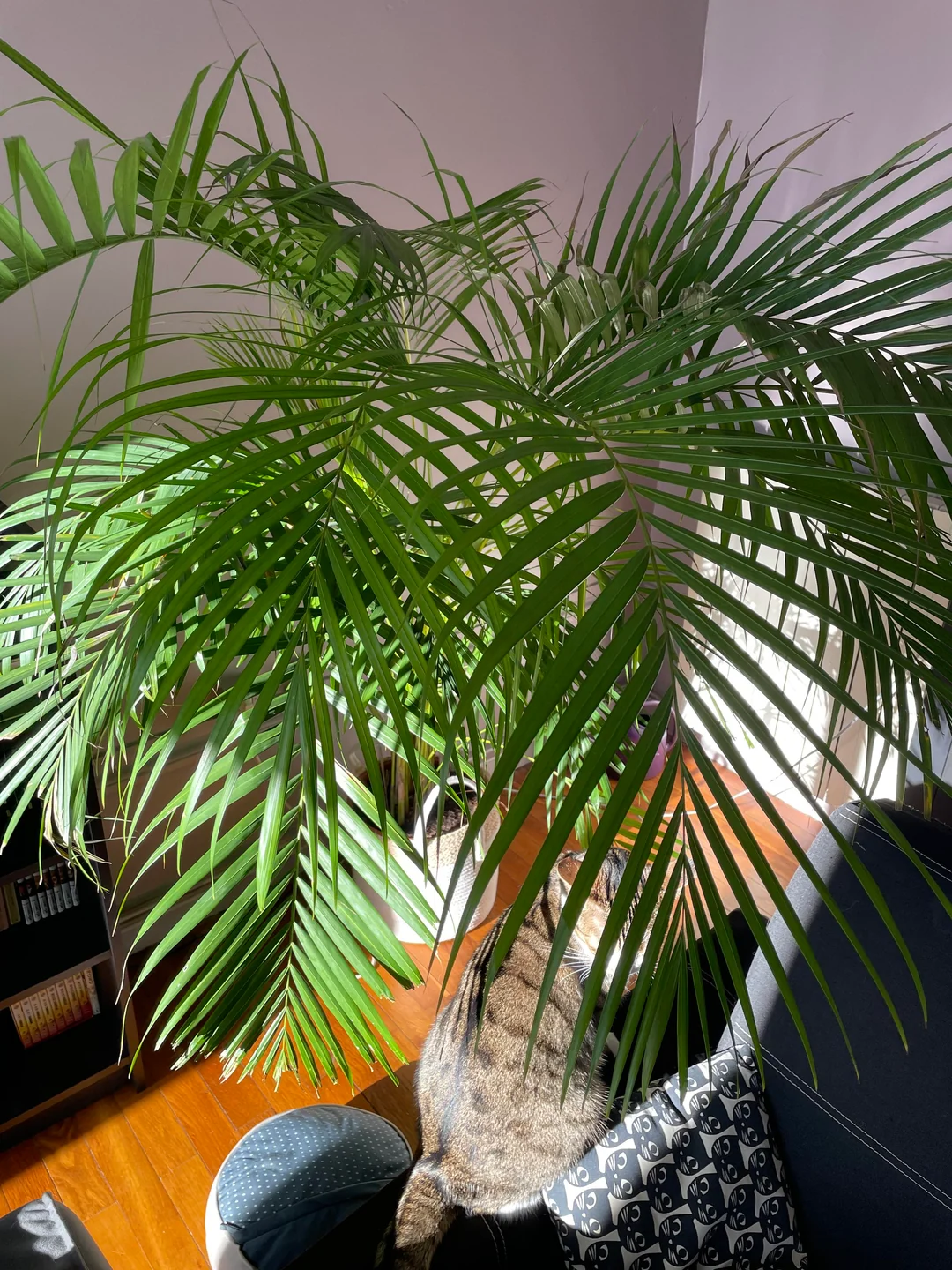
Mastering areca palm care indoor doesn’t have to be difficult. With the right balance of light, watering, humidity, and soil, your Areca Palm can stay lush, healthy, and vibrant for years. This guide covers everything beginners need to know to grow a thriving indoor palm without the common mistakes that often lead to brown leaves or poor growth.
The Areca Palm is one of the most elegant and beginner-friendly houseplants you can grow. Its graceful, feathery fronds instantly create a tropical atmosphere, making it a favorite for living rooms, offices, bedrooms, and bright indoor spaces. Besides its beautiful appearance, it’s also known for helping improve indoor air quality, which makes it an even more popular choice among plant lovers. However, many people bring home an Areca Palm only to watch its lush green leaves slowly turn brown, dry out, or lose their vibrant appearance within a few months. The good news is that the plant isn’t difficult to grow—most problems happen because of a few simple care mistakes.
If you’re searching for the best areca palm care indoor routine, understanding the plant’s natural environment is the first step. Native to tropical regions, Areca Palms thrive in warm temperatures, filtered light, moderate humidity, and consistently moist, but never soggy, soil.
Once you recreate those conditions indoors, your palm will reward you with healthy new fronds, stronger growth, and long-lasting beauty. In this guide, you’ll learn exactly how to care for an Areca Palm indoors, avoid the most common mistakes, and keep your plant looking healthy throughout the year.
Areca Palm Care Indoor: The Basics
Although Areca Palms are considered low-maintenance houseplants, they perform best when their basic growing needs are met consistently.
The most important factors include:
- Bright indirect light
- Proper watering
- Well-draining soil
- Moderate humidity
- Warm temperatures
- Occasional feeding
Let’s look at each one in detail.
1. Give Your Areca Palm Bright, Indirect Light
Lighting is one of the biggest factors in successful areca palm care indoor.
Areca Palms naturally grow beneath taller tropical trees, where they receive filtered sunlight throughout the day. While they appreciate bright conditions, direct afternoon sun can scorch the delicate fronds and cause brown patches.
On the other hand, placing the plant in a dark corner slows growth and produces smaller, weaker leaves.
Signs Your Palm Needs More Light
- Slow growth
- Pale green leaves
- Smaller new fronds
- Leaning toward the window
Best Placement
- Near an east-facing window
- A few feet from a south-facing window with sheer curtains
- Bright north-facing rooms
Rotate the pot every few weeks to encourage even growth on all sides.
2. Water the Right Way
One of the quickest ways to damage an Areca Palm is watering too often—or not enough.
The goal is to keep the indoor plant’s soil evenly moist without allowing it to stay constantly wet.
Healthy roots need both water and oxygen.
How Often Should You Water?
Instead of watering on a fixed schedule:
- Check the top 1–2 inches of soil.
- Water only when it feels dry.
- Water deeply until excess water drains out.
- Empty the saucer after watering.
Signs of Underwatering
- Brown leaf tips
- Crispy edges
- Dry soil
- Drooping fronds
Signs of Overwatering
- Yellow leaves
- Soft stems
- Wet soil
- Musty smell
Consistent watering is far better than frequent small amounts.
3. Use a Well-Draining Soil Mix
Healthy roots start with healthy soil.
Heavy garden soil or dense potting mixes hold too much moisture, increasing the risk of root rot.
For the best areca palm care indoor, choose a light, airy soil that allows excess water to drain quickly while still retaining enough moisture for the roots.
Ideal Soil Mix
- High-quality indoor potting soil
- Perlite
- Coco coir or peat moss
- A small amount of coarse sand (optional)
This combination improves drainage while providing the moisture your palm needs.
Always grow your Areca Palm in a pot with drainage holes.
4. Maintain Moderate Humidity
Because Areca Palms are tropical plants, they naturally prefer humid air.
Dry indoor conditions—especially during winter—often cause brown leaf tips and crispy edges.
Although the plant adapts reasonably well to average household humidity, increasing moisture around the leaves promotes healthier growth.
Easy Ways to Increase Humidity
- Use a humidifier nearby.
- Place the pot on a pebble tray filled with water.
- Group tropical houseplants together.
- Keep the palm away from heating vents and air conditioners.
Aim for humidity levels between 50% and 60% whenever possible.
Higher humidity helps the fronds stay soft, green, and vibrant while reducing the risk of browning.
5. Keep Your Areca Palm at the Right Temperature
Temperature is often overlooked, but it’s an essential part of successful areca palm care indoor. Since Areca Palms are tropical plants, they prefer consistently warm conditions and don’t respond well to sudden temperature changes.
Cold drafts, air conditioners, or heating vents can stress the plant, causing brown leaf tips, drooping fronds, and slower growth.
Ideal Temperature
Keep your Areca Palm between 65°F and 80°F (18°C–27°C) throughout the year.
Avoid These Locations
- Near air conditioning vents
- Beside heating units
- Close to drafty windows
- Next to exterior doors
Maintaining a stable indoor climate helps your palm produce healthy, vibrant fronds year-round.
6. Feed Your Areca Palm During the Growing Season
Like all houseplants, Areca Palms need nutrients to support healthy growth. While they aren’t heavy feeders, regular fertilizing during the active growing season encourages fuller foliage and stronger roots.
Without proper nutrition, growth may slow, leaves can become pale, and older fronds may begin to yellow.
Best Fertilizer
Choose a balanced liquid fertilizer made for indoor foliage plants.
Fertilizing Schedule
- Feed every 4–6 weeks during spring and summer.
- Reduce feeding in early fall.
- Stop fertilizing during winter when the plant naturally grows more slowly.
Avoid applying fertilizer to dry soil, as this may burn the roots. Water the plant first, then apply diluted fertilizer according to the package instructions.
7. Prune and Clean the Leaves Regularly
Pruning is an important part of areca palm care indoor, but many people prune too aggressively.
Unlike some plants, Areca Palms don’t regenerate from cut stems. Instead, only remove leaves that are completely brown, yellow, or badly damaged.
How to Prune Correctly
- Use clean, sharp pruning shears.
- Cut dead fronds near the base of the stem.
- Remove only damaged foliage.
- Never trim healthy green fronds unnecessarily.
8. Repot Every 2–3 Years
Areca Palms don’t need frequent repotting, but eventually the roots outgrow their container.
A root-bound plant struggles to absorb enough water and nutrients, leading to slower growth and declining health.
Signs It’s Time to Repot
- Roots growing through drainage holes
- Soil dries out very quickly
- Slower growth
- Crowded root system
How to Repot
- Choose a pot only 1–2 inches larger than the current one.
- Use fresh, well-draining potting soil.
- Water thoroughly after repotting.
- Keep the plant out of direct sunlight for a few days while it adjusts.
Repotting every few years refreshes the soil and gives the roots more room to grow.
Indoor Areca Palm Care Checklist
| Care Factor | Best Practice |
| Light | Bright, indirect sunlight |
| Water | Water when the top 1–2 inches of soil are dry |
| Soil | Well-draining indoor potting mix |
| Humidity | 50–60% humidity |
| Temperature | 65–80°F (18–27°C) |
| Fertilizer | Every 4–6 weeks in spring and summer |
| Repotting | Every 2–3 years |
| Pruning | Remove only dead or damaged fronds |
Common Areca Palm Care Mistakes That Kill Indoor Plants
Even though Areca Palms are considered beginner-friendly, a few common mistakes can slowly weaken the plant without you realizing it. Avoiding these issues for indoor plants is one of the best ways to keep your indoor palm healthy for years.
Watering on a Schedule Instead of Checking the Soil
One of the biggest mistakes is watering every Sunday—or any fixed day—without checking the soil first. Your palm’s water needs change depending on the season, temperature, humidity, and the amount of light it receives.
Instead, insert your finger into the soil before watering. If the top 1–2 inches are dry, it’s time to water. If the soil still feels damp, wait another day or two.
Using a Pot Without Drainage Holes
A decorative pot may look beautiful, but if it doesn’t have drainage holes, excess water has nowhere to go. This leaves the roots sitting in soggy soil, which can quickly lead to root rot.
Always grow your Areca Palm in a container with proper drainage. If you want to use a decorative cachepot, place the nursery pot inside it and remove it when watering.
Placing the Palm in a Dark Corner
Areca Palms tolerate medium light, but they won’t thrive in dark rooms. Too little light causes slow growth, pale leaves, and weak fronds.
Choose a bright spot with indirect sunlight to keep your palm lush and full.
Ignoring Humidity
Many indoor environments are much drier than the tropical conditions Areca Palms naturally enjoy.
Overfertilizing
More fertilizer doesn’t mean faster growth. Applying fertilizer too often can cause salt buildup in the soil, leading to burnt roots and brown leaf tips.
Stick to a balanced feeding schedule during spring and summer and allow the plant to rest during winter.
Forgetting to Rotate the Plant
Plants naturally grow toward the light. If your Areca Palm always faces the same direction, it may begin leaning and growing unevenly.
Rotate the pot every few weeks so all sides receive equal light. This encourages symmetrical, balanced growth.
Letting Dust Build Up
Dusty leaves can’t absorb sunlight efficiently. Over time, this reduces photosynthesis and slows growth.
Cleaning the fronds every few weeks not only keeps your plant looking attractive but also improves its overall health.
Watching for Early Warning Signs
Healthy plants usually show small signs before bigger problems appear.
Check your Areca Palm regularly for:
- Brown leaf tips
- Yellowing fronds
- Drooping leaves
- Dry soil
- Pest activity
Addressing these issues early can prevent more serious damage and keep your plant thriving.
Frequently Asked Questions
How often should I water an Areca Palm indoors?
Water when the top 1–2 inches of soil feel dry instead of following a fixed watering schedule.
Does an Areca Palm need direct sunlight?
No. Bright, indirect light is ideal. Too much direct sunlight can scorch the leaves.
Why are my Areca Palm leaves turning brown?
Brown leaves are commonly caused by underwatering, overwatering, low humidity, poor water quality, or temperature stress.
Should I mist my Areca Palm?
Misting can provide temporary humidity, but a humidifier or pebble tray offers more consistent results.
How often should I fertilize my Areca Palm?
Feed every four to six weeks during spring and summer using a balanced liquid fertilizer.
Can I keep an Areca Palm in my bedroom?
Yes. As long as it receives enough bright, indirect light during the day, it grows well in bedrooms and other indoor spaces.
Final Thoughts
Learning the right areca palm care indoor routine is all about consistency rather than perfection. When you provide bright indirect light, water according to the soil’s moisture, maintain moderate humidity, and use a well-draining potting mix, your Areca Palm has everything it needs to thrive. Small habits like cleaning the leaves, rotating the pot, and feeding during the growing season can make a noticeable difference in the plant’s overall health and appearance.
Remember that every indoor environment is different, so pay attention to how your palm responds and adjust your care routine when needed. With patience and regular maintenance, your Areca Palm will reward you with graceful green fronds, steady growth, and a beautiful tropical look that brightens your home throughout the year.
Consistent care, the right environment, and a little attention each week are all it takes to keep your Areca Palm healthy, vibrant, and flourishing indoors for years to come.

Sophie Bennett
Sophie Bennett is a Plant lover, chronic propagator, and firm believer that every room needs at least one Monstera. She writes about plant care, styling, and the joy of bringing the outdoors in keeping it honest, simple, and always beginner friendly.
Sophie Bennett
Sophie Bennett is a Plant lover, chronic propagator, and firm believer that every room needs at least one Monstera. She writes about plant care, styling, and the joy of bringing the outdoors in keeping it honest, simple, and always beginner friendly.
Get more inspiration
Subscribe for weekly plant care tips, grow guides, and fresh inspiration delivered straight to your inbox.