
Root Rot Indoor Plants: 7 Signs + How to Fix It
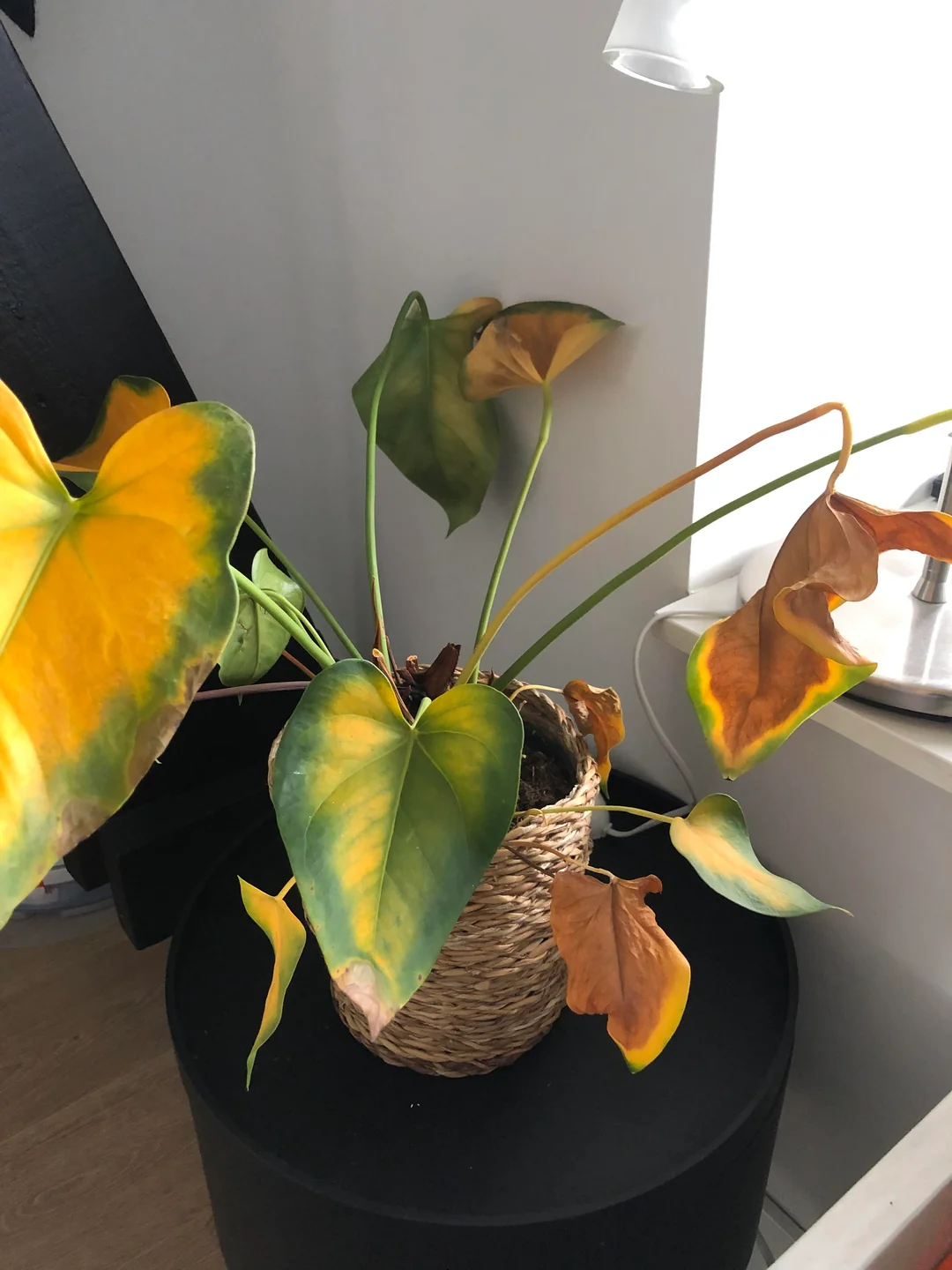
Root rot indoor plants experience is usually linked to consistently wet soil, poor drainage, or watering too frequently. Yellowing leaves, wilting despite wet soil, mushy roots, slow growth, and unpleasant-smelling soil can all indicate a problem below the surface. The sooner you catch root rot, the better the chance of saving your plant.
Root Rot in Indoor Plants
Root rot is one of those houseplant problems that can develop quietly beneath the soil before you notice anything is wrong.
Your plant may look fine for weeks. Then suddenly, the leaves begin turning yellow, the stems become weak, and the plant starts drooping—even though you’ve been watering it regularly. That’s when many plant owners make the same mistake.
They add more water. Unfortunately, if the roots are already struggling, more moisture can make the problem much worse.
When root rot indoor plants experience, the roots can become damaged because the growing environment stays excessively wet and poorly aerated. Healthy roots need access to both moisture and oxygen. When soil remains saturated for too long, oxygen levels around the roots can fall, creating conditions that favor root damage and decay.
The good news is that root rot doesn’t always mean your plant is beyond saving. If you catch the problem early and remove damaged roots, improve drainage, and adjust your watering routine, many plants can recover. The key is knowing what to look for.
What Causes Root Rot in Indoor Plants?
Root rot isn’t usually caused by simply watering a plant once.
The bigger problem is prolonged excess moisture around the roots.
Several factors can contribute to this:
- Watering too frequently
- Poor drainage
- Compacted potting soil
- A container without drainage holes
- A pot that is too large
- Low light
- Cool conditions combined with wet soil
- Leaving water sitting in the saucer
When the soil remains saturated, the roots don’t get enough oxygen. Damaged roots become less effective at absorbing water and nutrients, and the plant can eventually show symptoms above the soil.
That’s why a plant with root rot can sometimes look thirsty even when the soil is soaking wet.
7 Signs of Root Rot You Shouldn’t Ignore
Root rot can look similar to other houseplant problems, so don’t rely on just one symptom.
Look for several signs together.
1. Yellow Leaves Despite Wet Soil
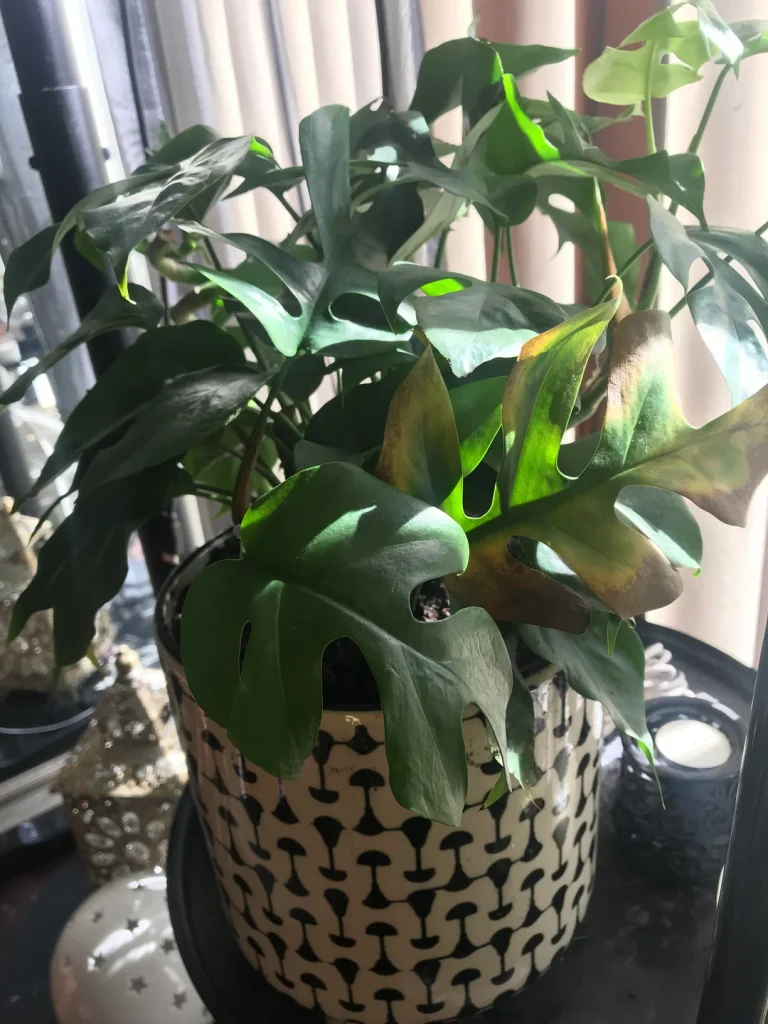
Yellowing leaves are one of the most common warning signs.
However, yellow leaves don’t automatically mean root rot.
Natural aging, nutrient problems, insufficient light, and watering issues can all cause yellowing.
The clue is what the soil feels like.
If your plant has yellow leaves while the soil stays wet for days, investigate the roots and drainage.
2. Wilting Even Though the Soil Is Wet
This is one of the biggest red flags.
You water the plant, but it continues to look wilted. That may seem confusing. If there’s plenty of water in the soil, why does the plant look thirsty?
Damaged roots may no longer be functioning properly, preventing the plant from taking up water efficiently. If you see persistent wilting combined with wet soil, don’t automatically water again. Check the root system.
3. Brown, Black, or Mushy Roots
Healthy roots are generally firm and have a healthy appearance appropriate to the plant.
Rotten roots can become:
- Soft
- Mushy
- Dark
- Weak
- Easily broken apart
When you gently remove the plant from its container, inspect the roots carefully. Don’t panic if you see a few damaged roots. The goal is to determine how extensive the damage is and remove the unhealthy portions.
4. A Bad Smell From the Soil
Healthy potting soil can have an earthy smell. A strong rotten or unpleasant odor coming from consistently wet soil is a warning sign.
It can indicate that organic material and roots are breaking down in an overly wet environment. If the smell is accompanied by yellow leaves, persistent wetness, or mushy roots, investigate further.
5. Slow or Stopped Growth
Root problems often affect growth before the plant completely collapses. Your plant may stop producing new leaves or develop unusually small growth.
If light, temperature, and other conditions are appropriate but the plant suddenly stops growing while the soil remains constantly wet, root stress could be involved.
6. Soft or Weak Stems
As root problems become more severe, the symptoms can move upward. Stems may become weak, soft, or unstable.
In advanced cases, sections of the plant may collapse. At this stage, immediate action is important if you want to save healthy portions of the plant.
7. Soil That Never Seems to Dry
One of the earliest warning signs may actually be the soil.
If your plant’s potting mix remains wet for an unusually long time after watering, something isn’t right.
The issue could be:
- Too much watering
- Poor drainage
- Dense soil
- Low light
- A container that’s too large
Even before visible root damage appears, constantly wet soil is worth correcting.
How to Fix Root Rot in Indoor Plants
If you strongly suspect root rot, don’t simply reduce watering and hope for the best.
If the roots are already significantly damaged, inspect them directly.
Step 1: Remove the Plant From Its Pot
Gently slide the plant out of its container. Avoid pulling aggressively on the stem.
Support the base of the plant and loosen the surrounding soil if necessary. Once the root ball is exposed, examine the roots carefully. You want to determine which roots are healthy and which are damaged.
Step 2: Remove Damaged Roots
Use clean, sharp scissors or pruning shears to remove mushy, dark, or severely damaged roots.
Don’t rush this step. Cut back to healthy tissue rather than leaving obviously rotten sections attached. Clean your cutting tool before and after the process to reduce the risk of spreading pathogens between plants.
If the root system is severely damaged, you may need to remove a substantial amount of the affected material.
Step 3: Remove the Old Wet Soil
Don’t simply place a root-rotted plant back into the same saturated potting mix. Discard heavily affected soil and replace it with fresh, suitable potting mix.
Choose a mix that provides good drainage and enough air space around the roots. The exact mixture depends on your plant. Succulents, tropical plants, and foliage plants don’t all need identical soil.
Step 4: Use a Container With Drainage
Your pot should have drainage holes.
This sounds obvious, but it’s one of the most important parts of preventing future problems. After watering, excess moisture needs somewhere to go.
Don’t allow the plant to sit in a saucer filled with water. If you use a decorative outer pot without drainage, remove the plant container when watering and allow excess water to drain before returning it.
Step 5: Adjust Your Watering Routine
Once you’ve repotted the plant, don’t immediately return to your old watering schedule.
Check the soil before watering. The correct drying point depends on the plant species, pot size, soil, temperature, and light.
Some plants prefer consistently lightly moist soil, while others need the soil to dry more substantially. The goal isn’t to keep the soil completely dry. It’s to avoid unnecessary, prolonged saturation.
The Biggest Root Rot Mistake
The most common mistake is treating every drooping plant as thirsty. Drooping doesn’t always mean underwatering. If the soil is already wet, adding more water could make the underlying problem worse.
Before watering a drooping plant, check the soil. If it’s dry, water may be exactly what the plant needs.
If it’s wet and the plant is still drooping, stop and investigate.
This simple habit can prevent a lot of unnecessary watering.
How to Prevent Root Rot From Coming Back
Prevention is much easier than rescuing a severely damaged root system.
Start with the container.
Always use appropriate drainage.
Then look at the soil.
A dense mix that holds water for a long time may not be appropriate for your particular plant.
Next, consider light.
Plants growing in low light often use water more slowly. If you water them as frequently as a plant growing in bright light, the soil can remain wet for too long.
Finally, stop relying on a fixed watering calendar.
Your plant’s needs change throughout the year.
A watering schedule that works during a warm, bright growing season may be excessive during a darker, cooler period.
Root Rot vs. Underwatering
These two problems can look surprisingly similar.
Both can cause:
- Wilting
- Drooping
- Yellowing
- Slow growth
- Leaf loss
The difference often becomes clearer when you examine the soil.
| Symptom | Possible Underwatering | Possible Root Rot |
|---|---|---|
| Soil | Very dry | Consistently wet |
| Leaves | Dry or crispy | Yellow, soft, or limp |
| Wilting | Improves after watering | May continue despite wet soil |
| Roots | Dry or brittle | Soft, dark, or mushy |
| Soil smell | Usually normal | May smell unpleasant |
| Main issue | Not enough moisture | Too much prolonged moisture |
This isn’t a perfect diagnostic test, but it can help you decide what to investigate.
Can a Plant Recover From Root Rot?
Yes, but recovery depends on how much of the root system has been damaged. A plant with some healthy roots remaining has a much better chance than one with extensive root loss.
After removing damaged roots and repotting, don’t expect instant recovery. The plant needs time to rebuild its rooting rot system and adjust to the new environment.
Avoid immediately fertilizing heavily. Give it appropriate light, stable temperatures, and careful watering. Watch the new growth. Healthy new leaves are often a more useful sign of recovery than damaged older leaves becoming perfect again.
Should You Fertilize a Plant With Root Rot?
Generally, don’t rush to fertilize a severely stressed plant.
Fertilizer doesn’t repair rotten roots.
The priority is to correct the root environment and remove damaged tissue.
Once the plant has recovered and begins actively producing healthy new growth, you can reconsider its nutritional needs.
Remember that more fertilizer isn’t always better.
A weakened root system may be particularly sensitive to excess salts.
Can You Save a Plant With Almost No Roots?
Sometimes you can, depending on the species.
If very little healthy root tissue remains, propagation may be an option.
For some plants, healthy stems or leaves can be used to create new plants.
This can be particularly useful when the original root system is too damaged to support recovery.
Don’t assume the entire plant is lost just because the roots look terrible.
Inspect the stems and foliage for healthy tissue before giving up.
Quick Root Rot Recovery Checklist
| Step | What to Do |
|---|---|
| 1 | Remove the plant from its container |
| 2 | Inspect the entire root system |
| 3 | Trim mushy and severely damaged roots |
| 4 | Remove heavily affected old soil |
| 5 | Repot in fresh, well-draining mix |
| 6 | Use a container with drainage holes |
| 7 | Adjust watering based on soil moisture |
| 8 | Monitor new growth and recovery |
Frequently Asked Questions
What does root rot look like?
Root rot can cause soft, dark, mushy roots. Above the soil, plants may show yellow leaves, persistent wilting, slow growth, leaf drop, or weak stems.
Can a plant recover from root rot?
Yes. Plants can recover when enough healthy roots remain and the cause of the excessive moisture is corrected.
Should I cut off rotten roots?
Yes. Severely damaged, mushy roots should generally be removed using clean, sharp tools before repotting the plant into fresh soil.
Can root rot happen from overwatering once?
A single overwatering event doesn’t necessarily cause root rot. The bigger concern is soil remaining excessively wet for prolonged periods.
Why is my plant wilting when the soil is wet?
Wet-soil wilting can indicate root stress or root rot. Damaged roots may be unable to absorb water properly even though plenty of moisture is present.
Does root rot mean I should throw away the plant?
No. Many plants can recover if the problem is caught early enough. Inspect the roots before deciding the plant is beyond saving.
How do I prevent root rot?
Use appropriate drainage, well-suited potting soil, and a watering routine based on the plant’s actual moisture needs. Avoid keeping soil unnecessarily saturated.
Can I reuse soil after root rot?
It’s generally safer to replace heavily affected potting soil rather than reusing it for another houseplant, particularly when the original plant had significant root disease.
Final Thoughts
Root rot indoor plants experience can be one of the most frustrating problems for houseplant owners because the damage often starts where you can’t see it.
The plant may look thirsty, but the soil can be completely saturated.
That contradiction is one of the most important clues to remember.
If your plant is wilting despite wet soil, developing unexplained yellow leaves, growing slowly, or producing a bad smell from the potting mix, take a closer look at the roots.
Don’t automatically reach for more water.
Remove the plant carefully, inspect the root system, trim away damaged tissue, replace heavily affected soil, and repot into a container with proper drainage. Then adjust your watering routine so the soil doesn’t remain unnecessarily saturated.
And remember, recovery takes time in plant care.
Some damaged leaves may never return to normal, and that’s okay. What matters most is whether the plant begins producing healthy new growth and rebuilding its root system.
The best cure for root rot is prevention: understand your plant’s moisture requirements, provide suitable soil and drainage, and check the soil before watering instead of following a rigid schedule.
When your plant looks thirsty but the soil is wet, don’t add more water—check the roots first.

Sophie Bennett
Sophie Bennett is a Plant lover, chronic propagator, and firm believer that every room needs at least one Monstera. She writes about plant care, styling, and the joy of bringing the outdoors in keeping it honest, simple, and always beginner friendly.
Sophie Bennett
Sophie Bennett is a Plant lover, chronic propagator, and firm believer that every room needs at least one Monstera. She writes about plant care, styling, and the joy of bringing the outdoors in keeping it honest, simple, and always beginner friendly.
Get more inspiration
Subscribe for weekly plant care tips, grow guides, and fresh inspiration delivered straight to your inbox.