
Snake Plant Care: Complete Guide to Growing Sansevieria Indoors
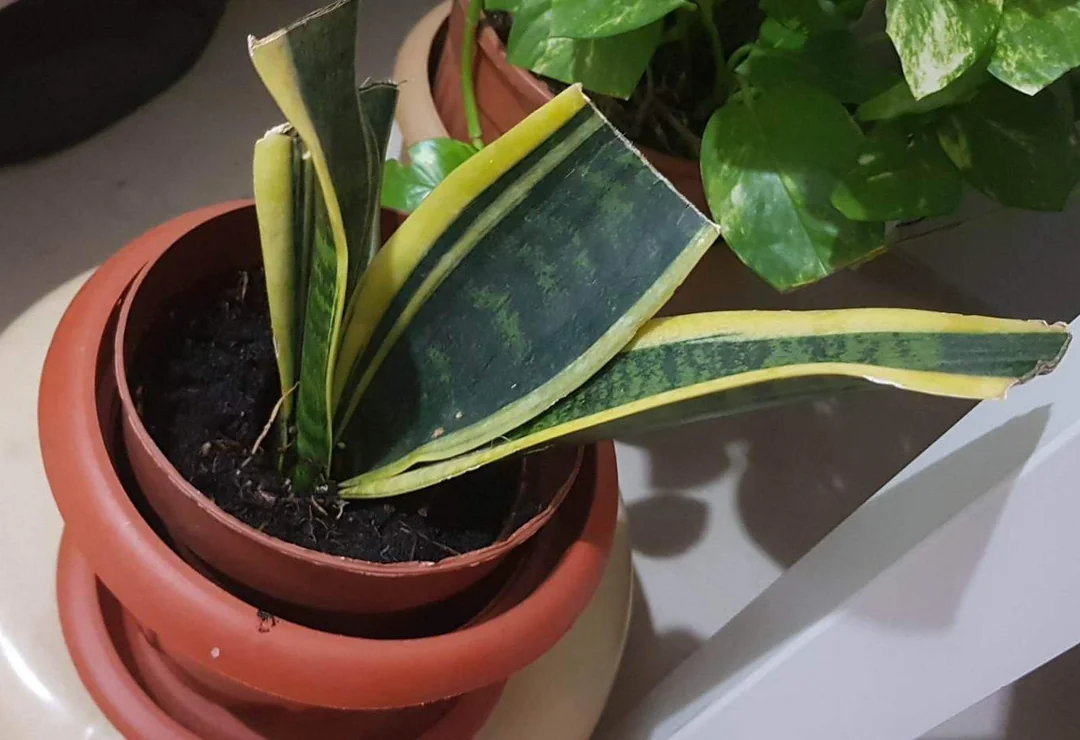
Snake plant care comes down to five things: bright indirect to low light, water only when the soil is fully dry, fast-draining soil, a pot with drainage holes, and temperatures between 60–85°F. Snake plants (Sansevieria, now classified as Dracaena trifasciata) tolerate neglect far better than overcare—most problems come from watering too often, not too little.
Snake Plant Care Quick Facts
Snake plants have earned a permanent place on living room shelves and aesthetic plant boards for good reason: their upright, architectural foliage delivers maximum visual drama with minimal maintenance. For design lovers, beginner growers, and busy plant parents who want green accents without the fuss of high-maintenance tropicals, mastering basic snake plant care guarantees a long-lived, sculptural focal point that handles indoor living with ease.
Snake Plant Care at a Glance
| Attribute | Detail |
| Botanical name | Dracaena trifasciata (formerly Sansevieria trifasciata) |
| Common names | Snake plant, mother-in-law’s tongue |
| Light | Low to bright indirect; avoid direct midday sun |
| Water | Only when soil is fully dry, roughly every 2–6 weeks |
| Soil | Fast-draining succulent/cactus mix |
| Humidity | Tolerates normal room humidity; no misting needed |
| Temperature | 60–85°F (15–29°C); avoid cold drafts |
| Growth habit | Upright, rosette-forming, slow to moderate |
| Pet safety | Mildly toxic if ingested by cats and dogs |
Is Sansevieria the Same as Dracaena Trifasciata? Botanical Classification: Sansevieria vs. Dracaena
For decades, houseplant enthusiasts recognized this structural succulent under the botanical genus Sansevieria. In 2017, molecular phylogenetic studies conducted by taxonomists revealed that the genus shared identical evolutionary lineages with Dracaena. Consequently, the Royal Horticultural Society and international botanical bodies officially reclassified the common snake plant as Dracaena trifasciata.
Despite this formal taxonomic shift, commercial nurseries, garden centers, and plant collectors still use the name Sansevieria interchangeably. Whether labeled as Sansevieria zeylanica, Sansevieria laurentii, or Dracaena trifasciata, the plant’s biological needs remain identical.
Yes. In 2017, taxonomists folded the genus Sansevieria into Dracaena based on genetic research, so the plant sold as “snake plant” or “Sansevieria” is now formally Dracaena trifasciata. Growers, garden centers, and older references still use Sansevieria interchangeably, and both names describe the same plant with the same care needs.
Light: What Snake Plants Actually Need
Snake plants survive in low light but grow fastest in bright, indirect light — a few feet back from an east- or west-facing window. Direct, intense afternoon sun can scorch leaves, especially on variegated varieties. In very low light, the plant will survive but growth slows dramatically and new leaves may come in thinner and paler.
Watering: The Soil-Check Method
Skip the calendar. Push a finger or wooden skewer 2–3 inches into the soil — if it comes out with any moisture clinging to it, wait. Water thoroughly until it runs from the drainage holes, then don’t water again until the mix is fully dry. In a bright room this might be every 2–3 weeks; in low light or winter, it can stretch to 6–8 weeks.
- How to Check Soil Moisture Correctly
- Insert a clean wooden skewer or your index finger 2 to 3 inches into the soil.
- Withdraw the skewer. If damp soil clings to the wood or feels cool to the touch, leave the plant alone and re-evaluate in 5 to 7 days.
- If the skewer emerges completely clean, pale, and dry, saturate the soil evenly until water flows freely out of the pot’s drainage holes.
- Allow the pot to drain for 20 to 30 minutes, then discard all standing water from the drainage tray or cachepot.
Soil and Potting
Use a mix built for cacti and succulents, or amend regular potting soil with perlite and coarse sand at roughly a 2:1:1 ratio. The goal is water moving through in seconds, not minutes. Always choose a pot with a drainage hole for better snake plants care, and it is far more forgiving of a too-small pot than a mix that stays wet.
Feeding, Repotting, and Propagation at a Glance
Snake plants need minimal feeding — a diluted balanced fertilizer once or twice during the growing season is plenty. Repot only when the plant is visibly root-bound (roots circling or pushing the pot apart), typically every 2–5 years. Propagation is straightforward from leaf cuttings, division, or separating pups, and is the easiest way to multiply a plant you already have.
Simple Propagation Methods
Multiplying snake plants is an easy way to expand your indoor collection or share plants with others.
1. Rhizome Division (Preserves Variegation)
Dividing rhizomes is the best method for preserving distinctive yellow margins on cultivars like Laurentii.
- Unpot a mature plant and brush away excess substrate to expose the underground rhizomes.
- Using a sanitized, sharp pruning knife, slice cleanly through the thick underground rhizome, ensuring each separated section has at least one healthy foliage rosette and intact root structures.
- Allow the cut rhizome surface to callous over in a dry spot for 24 hours.
- Pot each division into fresh succulent soil, and wait one full week before watering lightly.
2. Leaf Cuttings (Water or Soil)
- Select a healthy, mature leaf and slice it straight across at the base with a sterile blade.
- Cut the leaf into 3- to 4-inch horizontal segments, making note of which end pointed upward (cuttings planted upside down will fail to root).
- Cut a shallow inverted “V” notch into the bottom of each segment to maximize rooting surface area and elevate the cut edge off the base of the container.
- Let the segments air-dry for 48 hours until the cut ends form a dry callus.
- Place the cuttings 1 inch deep in moist perlite/sand mix or submerge the bottom half-inch in clean water, changing the water weekly until roots reach 2 inches long.
Common Problems: Fast Reference
| Symptom | Most Likely Cause | Next Step |
| Yellow, mushy leaves | Overwatering / root rot | Check roots, let soil dry fully, repot in fresh mix if roots are brown |
| Brown leaf tips | Underwatering, low humidity, or salt buildup | Check soil moisture; flush soil with water occasionally |
| Leaves falling over / floppy | Overwatering, low light, or overgrown top-heavy clump | Check roots first, then light, then pot stability |
| No new growth | Dormant season, low light, or root-bound pot | Rule out season and light before assuming a problem |
Mistakes to Avoid
- Watering on a fixed schedule instead of checking the soil.
- Using a pot with no drainage hole.
- Placing the plant in deep direct sun expecting faster growth.
- Repotting into a container that’s much larger than the root ball.
- Assuming every yellow leaf means disease rather than checking watering first.
Frequently Asked Questions
How long can a snake plant go without water?
A healthy snake plant in average indoor conditions can go 4–8 weeks without water, longer in cooler, low-light rooms during winter.
Can snake plants live in a room with no windows?
They can survive for a period on ambient light or grow lights, but they need some light source to keep producing new growth long-term.
Do snake plants need big pots?
No — they actually grow better slightly root-bound, so size up only when roots are visibly crowded.
Are snake plants really air-purifying?
NASA’s original clean-air research tested sealed lab chambers, not real rooms, so treat air-purifying claims as a minor bonus, not a primary reason to buy the plant.
Why is my snake plant leaning to one side?
Usually the plant is reaching for a light source on one side, or the root ball has become top-heavy; rotate the pot and check that it’s stable.
What’s the difference between Sansevieria and snake plant varieties?
Sansevieria is the older genus name for the whole plant group; “varieties” refers to specific cultivars within it, like Laurentii or Moonshine.
Can you leave a snake plant outside during summer?
Yes, you can move your snake plant outdoors during the late spring and summer months as long as nighttime temperatures stay consistently above 55°F (13°C). Place the container in a covered patio, shaded porch, or dappled outdoor spot—never in direct midday sun, which will quickly scorch leaves unaccustomed to outdoor UV intensity. Bring the plant back inside well before autumn’s first frost.
Why is my snake plant not producing new leaves?
Slow or stalled growth usually stems from three common factors: low light, root restriction, or seasonal winter dormancy. While snake plants tolerate dim rooms, they require bright indirect sunlight and warm ambient temperatures to metabolize nutrients and produce new foliage spikes. If the plant hasn’t put out new growth during spring or summer, move it closer to an indirect light source and inspect the pot to ensure it hasn’t become severely root-bound.
Do snake plants ever produce flowers indoors?
Yes, mature snake plants can occasionally bloom indoors, producing slender stalks covered in small, cream-colored, lily-like blossoms with a sweet, jasmine-like fragrance. Indoor blooming is relatively rare and typically occurs when the plant is slightly root-bound and receives consistent bright indirect light during the spring or summer growing season. Once the flowers fade and exude a sticky nectar, cut the flower stalk off at the base so the plant can redirect its energy back into foliage production.
Keep Your Indoor Jungle Thriving
Ready to style your space with architectural green foliage that practically looks after itself? Whether you’re tucking a potted Sansevieria onto a floating shelf or grouping variegated varieties by a bright window, healthy growth starts from the roots up. Pin this care guide to your plant styling boards for quick reference, and explore our step-by-step indoor plant care tutorials to master light, drainage, and seasonal repotting across your entire houseplant collection.

Sophie Bennett
Sophie Bennett is a Plant lover, chronic propagator, and firm believer that every room needs at least one Monstera. She writes about plant care, styling, and the joy of bringing the outdoors in keeping it honest, simple, and always beginner friendly.
Sophie Bennett
Sophie Bennett is a Plant lover, chronic propagator, and firm believer that every room needs at least one Monstera. She writes about plant care, styling, and the joy of bringing the outdoors in keeping it honest, simple, and always beginner friendly.
Get more inspiration
Subscribe for weekly plant care tips, grow guides, and fresh inspiration delivered straight to your inbox.