
How Often to Water a Snake Plant: A Simple Soil-Check Method
Quick Summary
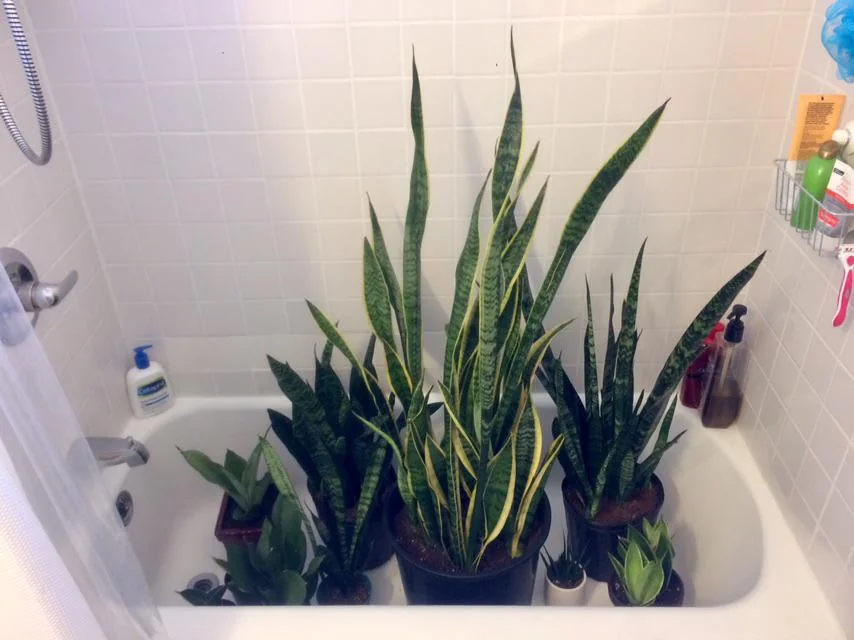
Water an indoor snake plant (Dracaena trifasciata) only when the potting soil has dried out completely 2 to 3 inches down. Under typical indoor conditions, this translates to roughly every 2 to 3 weeks in bright light during spring and summer, and every 4 to 8 weeks during fall and winter or in low-light environments. Pot material, ambient temperature, humidity, and root density alter this timeline, making direct soil inspection far more reliable than a calendar schedule.
How Often to Water a Snake Plant?
Wondering how often to water a snake plant? The answer is simpler than you might think: water your snake plant only when the soil is completely dry a few inches below the surface. For most homes, this means watering about every 2–3 weeks in bright indirect light and roughly every 4–8 weeks in low light or during winter. But these are only starting points—not strict rules.
Snake plants, also known as Dracaena trifasciata (formerly Sansevieria trifasciata), are naturally drought-tolerant plants. Their thick, upright leaves store water, allowing them to go much longer between waterings than many popular houseplants.
The biggest mistake is watering your snake plant according to a calendar.
Instead of asking, “Is it Sunday? Does my plant need water?”
Ask:
“Is the soil dry enough to water?”
That simple change can make snake plant care much easier and help prevent one of the most common problems: root rot caused by overwatering.
If you’re new to caring for these low-maintenance plants, start with your complete Snake Plant Care Guide for an overview of light, soil, temperature, repotting, and watering.
There isn’t one watering schedule that works for every snake plant.
As a general guideline:
- Bright indirect light: about every 2–3 weeks
- Medium light: about every 3–4 weeks
- Low light: about every 4–5 weeks
- Fall and winter: often every 5–8 weeks
- Very warm, bright conditions: potentially more frequently
- Cool or poorly lit conditions: potentially much less frequently
The important part is that you check the soil before watering.
A snake plant growing beside a bright window in a small terracotta pot may dry out in two weeks. A similar plant growing in a dim room in a large plastic pot may still have damp soil after a month.
Both plants can be perfectly healthy.
That’s why a calendar-based watering routine doesn’t work particularly well for snake plants.
The easiest rule to remember
When in doubt, wait and check the soil again.
Snake plants are much more tolerant of being slightly dry than sitting in constantly wet soil.
Why a Watering Calendar Doesn’t Work for Snake Plants
Imagine you have two identical snake plants.
One is sitting near a bright window in a warm room. The other is in a darker corner away from windows.
You water both plants every Sunday.
The first plant may have already dried out.
The second plant may still have moist soil.
Giving both plants the same amount of water simply because they’re on the same schedule can create problems.
Several factors affect how quickly snake plant soil dries:
1. Light
More light generally means more photosynthesis and faster water use. A snake plant receiving bright indirect light will usually dry out faster than one sitting in a darker room.
2. Temperature
Warm rooms tend to increase evaporation. During cooler months, soil can stay moist much longer.
3. Pot size
A small pot contains less soil and may dry relatively quickly. A large pot contains more soil and can retain moisture for much longer.
4. Pot material
Terracotta is porous, so it allows moisture to evaporate through the sides of the pot.
Plastic and glazed ceramic pots retain moisture longer.
5. Soil type
A well-draining potting mix dries faster than dense soil that holds onto water.
This is why the best watering routine isn’t based on a specific number of days.
Your snake plant’s soil is the real indicator.
The Simple Soil-Check Method
The easiest way to know when to water a snake plant is to check the soil.
You don’t need a complicated moisture meter. Your finger or a wooden skewer can usually tell you what you need to know.
Step 1: Check 2–3 Inches Below the Surface
Push your finger about 2–3 inches into the soil.
If the soil feels cool, damp, or moist, don’t water yet.
If you’re using a wooden skewer, insert it into the soil and pull it back out.
Damp soil?
If the skewer comes out with moist soil sticking to it, your snake plant probably doesn’t need water.
Wait several days and check again.
Dry soil?
If the skewer comes out mostly clean and the soil feels dry several inches down, it’s time to water.
Step 2: Water Thoroughly
Once the soil is dry enough, don’t just sprinkle a small amount of water around the surface.
Instead, give the plant a thorough watering.
Pour water slowly over the soil until water begins to drain from the bottom of the pot.
This helps moisten the root zone instead of leaving only the top layer of soil wet.
A deep watering followed by a proper drying period is generally much better for a snake plant than giving it a tiny amount of water every few days.
Step 3: Let Excess Water Drain Away
Drainage is especially important for snake plants.
Once you’ve watered, allow excess water to escape through the drainage holes.
If the pot is sitting inside a saucer or decorative cover, empty any standing water after about 30 minutes.
Don’t let the roots sit in water.
Constantly wet soil reduces the air available around the roots and can create conditions that encourage root problems.
How Often to Water a Snake Plant by Season
Your snake plant’s watering needs can change throughout the year.
Spring and Summer
During spring and summer, many snake plants enter a period of more active growth.
If your plant receives bright indirect light and your home is warm, you may find that the soil dries every 2–3 weeks.
However, don’t automatically water every two weeks.
Check the soil first.
If it’s still damp, wait.
If it’s completely dry several inches down, water thoroughly.
Fall and Winter
Snake plants generally need less water during cooler, darker months.
Shorter days and lower temperatures can slow growth and reduce evaporation.
As a result, your snake plant may only need water every 5–8 weeks, although the exact timing depends on your home’s conditions.
A snake plant in a warm, bright room may still need water more frequently than one sitting in a cool, low-light room.
Again, check the soil instead of relying on the calendar.
Snake Plant Watering Guide
| Growing Condition | Typical Watering Interval |
|---|---|
| Bright indirect light, spring/summer | 2–3 weeks |
| Medium light, spring/summer | 3–4 weeks |
| Low light, spring/summer | 4–5 weeks |
| Fall/winter, average indoor conditions | 5–8 weeks |
| Terracotta pot | Check sooner because it dries faster |
| Plastic or glazed pot | Check later because it retains moisture |
These timeframes are estimates, not rules.
Your plant may need water sooner or later depending on temperature, humidity, pot size, soil, and light.
How to Tell If You’re Overwatering a Snake Plant
Overwatering is one of the most common problems snake plant owners encounter.
Ironically, giving your plant more water doesn’t necessarily make it healthier.
If the soil remains wet for long periods, the roots can struggle.
Watch for these warning signs:
- Soil stays damp for more than a week after watering.
- Lower leaves become yellow.
- Leaves feel soft or mushy.
- The base of the leaves becomes weak.
- Leaves develop a swollen or translucent appearance.
- The potting soil develops a sour or musty smell.
- The plant starts losing leaves at the base.
What Does an Underwatered Snake Plant Look Like?
Although overwatering is a major concern, snake plants can also become dehydrated.
An underwatered snake plant may develop:
- Wrinkled or curling leaves
- Dry, brittle leaf edges
- Drooping or leaning leaves
- Very dry soil pulling away from the sides of the pot
- Leaves that feel thinner than usual
The good news is that snake plants are naturally drought tolerant.
If you occasionally forget to water your plant, don’t panic.
A missed watering is generally much easier for a snake plant to recover from than repeatedly watering soil that hasn’t dried.
When the soil is completely dry, simply give the plant a thorough watering and allow the excess to drain.
Should You Mist a Snake Plant?
No.
Snake plants don’t need regular misting to stay hydrated.
Misting only adds a small amount of moisture to the surface of the leaves. It doesn’t provide the roots with the water they need.
If your snake plant needs water, water the soil rather than misting the leaves.
Keeping the leaves repeatedly wet can also create conditions that encourage leaf problems, particularly when airflow is poor.
A simple watering routine is much more effective:
Check the soil → water thoroughly → drain completely → wait until the soil dries again.
Can You Bottom-Water a Snake Plant?
Yes, bottom-watering can work well for snake plants.
To bottom-water:
- Place the pot in a container of water.
- Allow the soil to absorb water for about 10–15 minutes.
- Remove the pot.
- Let excess water drain completely.
- Return the plant to its normal location.
Bottom-watering can be useful when the soil has become extremely dry or water tends to run quickly through the pot.
However, you still don’t want the plant sitting in water indefinitely.
The goal is to hydrate the soil and then allow it to dry before watering again.
Does a Bigger Pot Mean You Should Water Less?
Often, yes.
A larger pot usually contains more soil, which means there is more moisture available for the plant and more soil that needs to dry.
This can make overwatering particularly easy.
For example, placing a small snake plant into a very large decorative pot may leave a large amount of unused soil around the roots.
That soil can remain wet for a long time.
This is another reason to avoid choosing a watering schedule based only on the size of the plant.
Check the actual moisture level around the roots.
What Type of Pot Is Best for Snake Plants?
Snake plants can grow in many types of containers, but drainage matters more than appearance.
Terracotta
Terracotta is porous and allows moisture to evaporate through the sides.
This can be helpful if you tend to overwater or live in a humid environment.
Plastic
Plastic pots retain moisture longer.
They’re perfectly suitable for snake plants, but you’ll need to be more careful about how long the soil remains wet.
Glazed Ceramic
Glazed ceramic pots also retain moisture more effectively than unglazed terracotta.
Whatever pot you choose, make sure it has a drainage hole.
A beautiful pot without drainage can make watering much more difficult.
The Biggest Snake Plant Watering Mistakes
Avoid these common mistakes if you want healthy roots and strong leaves.
Watering Every Week
A weekly schedule may work for some houseplants, but it’s usually too frequent for a snake plant.
Always check the soil first.
Giving Small Amounts of Water Frequently
A few tablespoons of water every few days can keep the upper layer of soil damp while leaving other areas inconsistently hydrated.
It’s generally better to water thoroughly and then let the soil dry.
Watering Because the Leaves Look Droopy
Leaf appearance alone isn’t a reliable way to determine whether a snake plant needs water.
Check the soil before reaching for the watering can.
Leaving Water in the Saucer
Standing water can keep the bottom of the pot unnecessarily wet.
Always empty excess water.
Ignoring the Potting Mix
Heavy, compact soil can stay wet for too long.
Snake plants generally do best in a well-draining mix that doesn’t hold excessive moisture.
A Simple Snake Plant Watering Routine
If you want to make snake plant care as easy as possible, use this routine:
1. Check the soil every few days when you’re unsure.
You don’t have to water every time you check.
2. Push your finger or a wooden skewer 2–3 inches into the soil.
Don’t judge moisture based only on the surface.
3. If it’s damp, wait.
Check again in several days.
4. If it’s dry, water thoroughly.
Continue until water drains from the bottom.
5. Empty the saucer.
Don’t leave your snake plant sitting in excess water.
6. Start the cycle again.
The next watering date will depend on how quickly your particular plant dries.
Once you learn how quickly your plant’s soil dries, you’ll have a much better idea of its natural watering rhythm.
Frequently Asked Questions
Is it better to underwater or overwater a snake plant?
For most snake plants, occasional underwatering is safer than consistently overwatering.
Snake plants are drought tolerant and can usually handle dry periods. Prolonged wet soil, however, can damage the roots.
How often should I water a snake plant indoors?
For many indoor snake plants, watering every 2–3 weeks may work in bright indirect light. In low light or winter, the interval can stretch to 4–8 weeks.
But always check the soil before watering.
Should I water my snake plant when the top inch is dry?
It’s better to check deeper than just the top inch.
Wait until the soil is dry about 2–3 inches down before watering.
Can snake plants go a month without water?
Yes. Depending on the environment, a healthy snake plant can sometimes go a month or longer without water.
Low light, cool temperatures, a large pot, and moisture-retaining soil can all extend the time between waterings.
Why is my snake plant’s soil still wet after two weeks?
Possible reasons include low light, cool temperatures, high humidity, a large pot, dense soil, or watering too frequently.
Check that the pot has adequate drainage and consider whether the plant is receiving enough light.
Do snake plants need less water in winter?
Usually, yes.
Lower light and cooler temperatures can slow growth and evaporation, meaning the soil often stays wet longer.
Don’t water simply because it’s been several weeks. Check the soil instead.
Can I mist my snake plant?
Misting isn’t necessary.
If your plant needs hydration, water the soil thoroughly rather than relying on misting.
Let the Soil Tell You
So, how often should you water a snake plant?
The simplest answer is:
Water when the soil is dry 2–3 inches below the surface—not because a certain number of days has passed.
As a general starting point, that might mean:
- Every 2–3 weeks in bright light during spring and summer
- Every 4–5 weeks in lower light
- Every 5–8 weeks during fall and winter
But your plant may have a completely different schedule.
The best snake plant owners don’t necessarily water more often.
They check more carefully.
Give your snake plant bright, suitable light, well-draining soil, a pot with drainage, and enough time to dry between waterings.
When you’re unsure whether to water, check the soil.
If it’s damp, wait.
If it’s dry several inches down, water thoroughly.
When it comes to snake plants, less frequent watering is often the secret to healthier roots, stronger leaves, and a plant that thrives for years.

Sophie Bennett
Sophie Bennett is a Plant lover, chronic propagator, and firm believer that every room needs at least one Monstera. She writes about plant care, styling, and the joy of bringing the outdoors in keeping it honest, simple, and always beginner friendly.
Sophie Bennett
Sophie Bennett is a Plant lover, chronic propagator, and firm believer that every room needs at least one Monstera. She writes about plant care, styling, and the joy of bringing the outdoors in keeping it honest, simple, and always beginner friendly.
Get more inspiration
Subscribe for weekly plant care tips, grow guides, and fresh inspiration delivered straight to your inbox.