
Clean Rubber Plant Leaves: 7 Easy Steps for Healthy Growth
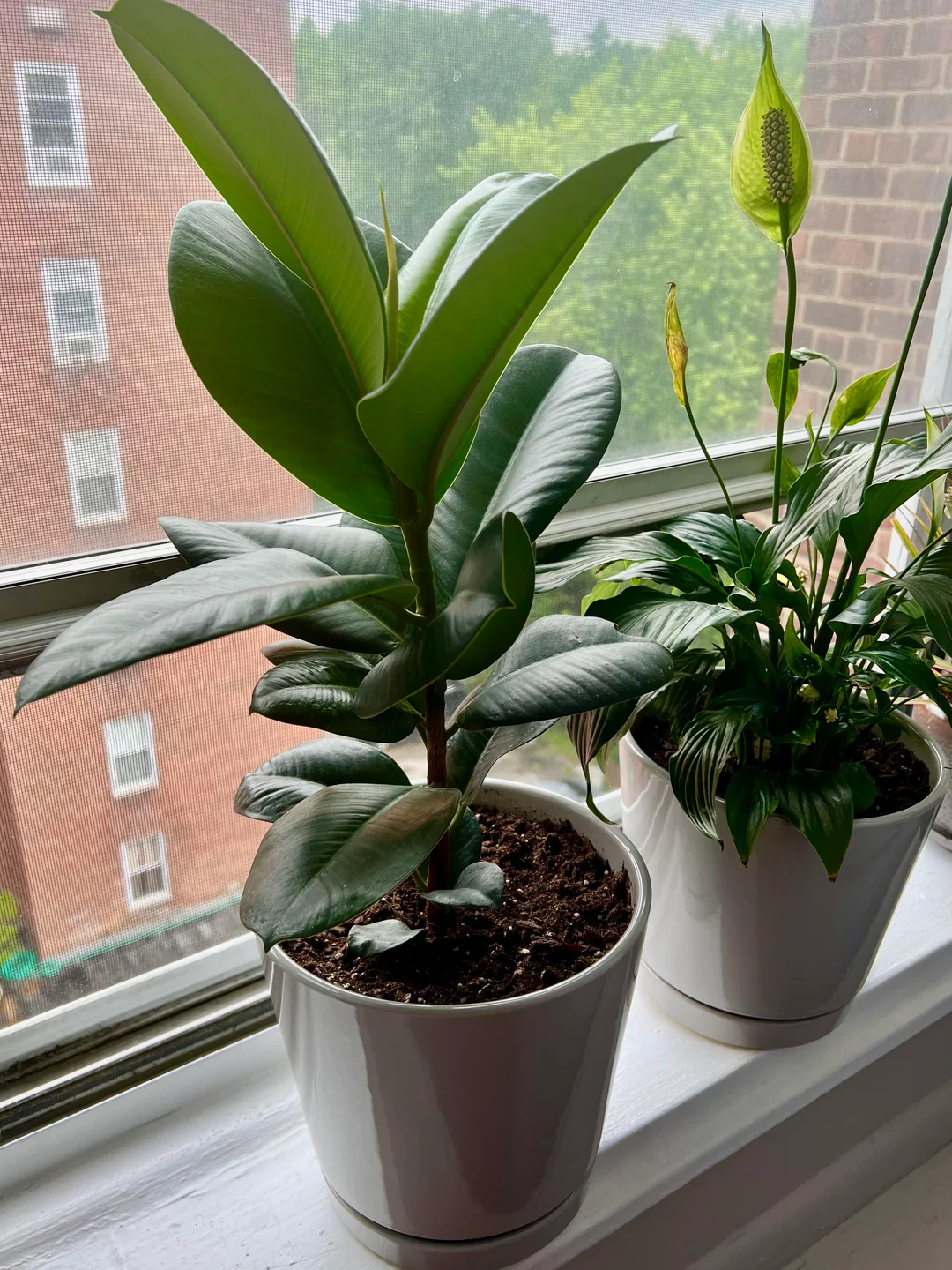
Learning how to clean rubber plant leaves properly can make a noticeable difference in your plant’s appearance and overall care routine. Dust, dirt, and residue can build up on the large glossy leaves, so regular gentle cleaning helps keep the foliage fresh while allowing it to receive plenty of light
How to Clean Rubber Plant Leaves for Healthy Growth
Rubber Plants are loved for their large, glossy leaves, but those beautiful leaves also have a habit of collecting dust. If your plant sits indoors for weeks without being cleaned, the foliage can gradually become dull, dusty, and less attractive.
The good news is that learning how to clean rubber plant leaves doesn’t require expensive products or complicated techniques. In most cases, plain water, a soft cloth, and a gentle touch are all you need.
Regular leaf cleaning isn’t just about making your Rubber Plant look prettier. Clean foliage allows you to inspect the plant more easily for pests, buildup, discoloration, or other problems. It also helps you keep the leaves free from layers of dust that can interfere with their ability to make the most of available light.
However, there’s an important catch: not every popular “leaf-shining” trick is good for your plant. Household oils, milk mixtures, mayonnaise, and commercial products designed to make leaves extra shiny can leave residue behind and may interfere with the natural surface of the foliage.
So, what’s the safest way to clean those large Rubber Plant leaves? Let’s break it down.
Why Should You Clean Rubber Plant Leaves?
Rubber Plant leaves are large, smooth, and naturally glossy, which makes dust especially noticeable.
Over time, indoor dust can settle across the surface and make the plant look dull. Cleaning the leaves also gives you an opportunity to inspect the foliage closely.
You may notice:
- Tiny insects
- Webbing
- Sticky residue
- Brown spots
- Yellowing
- Damaged areas
- Dust buildup
Regular cleaning also becomes particularly useful if your home is dusty or your Rubber Plant is located near a window, kitchen, fan, or heating system.
Think of leaf cleaning as a simple maintenance task rather than a treatment that your plant needs every day.
7 Simple Steps to Clean Rubber Plant Leaves
You don’t need a complicated routine. The most important thing is to be gentle and avoid damaging the natural surface of the leaves.
1. Gather a Soft Cloth and Clean Water
Start with a clean, soft microfiber cloth.
Avoid rough towels, paper towels, abrasive sponges, or anything that could scratch the leaf surface.
Fill a small bowl with clean, room-temperature water.
You don’t need soap for ordinary dust.
If your tap water leaves visible mineral spots, filtered or distilled water can be useful for the final wipe.
2. Support Each Leaf While Cleaning
Rubber Plant leaves can be large and relatively sturdy, but they can still be damaged if you bend or pull them aggressively.
Place one hand underneath the leaf to support it.
Use your other hand to gently wipe the upper surface with the damp cloth.
Work from the base toward the tip using light pressure.
There’s no need to scrub.
The goal is simply to lift away dust and residue.
3. Wipe Both Sides of the Leaves
Don’t focus only on the glossy upper surface.
Dust and pests can also collect underneath the leaves.
After cleaning the top, carefully turn your attention to the underside.
Look closely for:
- Tiny insects
- Eggs
- Webbing
- Brown patches
- Unusual spots
This turns a simple cleaning session into a useful plant-health inspection.
If you discover pests, cleaning alone may not be enough. You’ll need to address the infestation separately.
4. Clean the Stems and Leaf Bases
The stems and areas where leaves connect to the plant can also collect dust.
Use the same damp cloth and gently wipe these areas.
Be particularly careful around new growth. Young leaves can be more delicate than mature foliage.
Don’t force a leaf into an unnatural position just to clean a difficult spot.
A gentle, incomplete cleaning is better than damaging the plant.
5. Let the Leaves Dry Naturally
After wiping the leaves, allow them to air-dry.
There’s no need to immediately place the plant in strong sunlight to speed up drying.
If you’ve thoroughly wiped away excess water, normal indoor airflow is usually sufficient.
Avoid leaving water pooled where the leaf meets the stem.
The goal is clean foliage—not constantly wet foliage.
6. Don’t Use Household Oils or Shiny Coatings
This is one of the biggest mistakes to avoid when learning how to clean rubber plant leaves.
You may see recommendations to use mayonnaise, coconut oil, olive oil, milk, or commercial leaf-shine products to create an extra glossy appearance.
It may look attractive initially, but these substances can leave a film on the foliage.
That residue can collect more dust and make future cleaning harder.
Your Rubber Plant already has naturally glossy leaves.
You don’t need to add anything to make them shine.
Clean water and a soft cloth are usually enough.
7. Make Leaf Cleaning Part of Your Routine
You don’t need to clean your Rubber Plant every few days.
Instead, check the leaves regularly.
If you can visibly see a layer of dust, it’s probably time for a gentle cleaning.
How often you need to clean depends on your home environment. A plant in a dusty room may need attention more frequently than one in a relatively clean space.
A quick monthly check can be a good starting point.
The Best Way to Clean Large Rubber Plant Leaves
Large Rubber Plant leaves can make cleaning slightly awkward, especially on tall or mature plants.
Instead of trying to clean the entire plant in one rushed session, work systematically.
Start with the upper leaves and gradually move downward. Hold each leaf gently from underneath and wipe the upper surface with your damp cloth.
For particularly large leaves, you can use your hand as support while making several gentle passes instead of trying to clean everything with one stroke.
Don’t forget the leaf edges.
Dust can accumulate along the margins, while the central vein can collect small amounts of debris as well.
Take your time around these areas.
If your Rubber Plant is very tall, don’t stretch dangerously or move heavy furniture just to reach a leaf. Your safety matters more than getting every single leaf perfectly clean.
Can You Shower a Rubber Plant?
A gentle shower can be a convenient way to rinse dust from a Rubber Plant, particularly if the plant is small enough to move safely.
Use lukewarm or room-temperature water and keep the water pressure gentle.
Allow excess water to drain completely afterward.
However, don’t turn this into a frequent soaking routine. The goal is to rinse the foliage, not keep the soil saturated.
If the potting mix is already very wet, avoid adding unnecessary water to the root zone.
For routine cleaning, a damp microfiber cloth gives you much more control.
What Not to Use on Rubber Plant Leaves
When it comes to clean rubber plant leaves, simpler is usually better.
Avoid:
- Household cleaning sprays
- Dish soap unless specifically needed for a pest-related treatment
- Alcohol-based cleaners
- Oils
- Mayonnaise
- Furniture polish
- Artificial leaf-shine products
- Abrasive sponges
Your Rubber Plant’s leaves have a natural surface that doesn’t need to be coated with anything.
If you’re trying to remove ordinary dust, plain water is the safest place to start.
How Clean Leaves Support Healthy Growth
Leaf cleaning isn’t a substitute for proper plant care.
A clean leaf doesn’t automatically mean your Rubber Plant will grow faster.
Light, watering, temperature, soil, nutrition, and root health still matter much more.
However, keeping the foliage clean can be a useful part of an overall maintenance routine.
Once the dust is removed, you can also see the plant more clearly. This makes it easier to notice early signs of pests, discoloration, or physical damage.
If your Rubber Plant is growing slowly, don’t assume dirty leaves are the main problem. Check the plant’s lighting and root environment first.
Leaf cleaning is a supporting habit—not a magic growth treatment.
How Often Should You Clean Rubber Plant Leaves?
There’s no universal schedule because every home has different conditions.
A Rubber Plant in a dusty room may need cleaning more often than one in a cleaner environment.
A practical approach is to inspect the leaves every few weeks.
If you can clearly see dust covering the surface, it’s time for a gentle wipe.
For many indoor plants, cleaning about once a month can be a reasonable starting point, with adjustments based on how quickly dust returns.
The important thing is consistency rather than a strict calendar.
Common Mistakes When Cleaning Rubber Plant Leaves
One of the biggest mistakes is pressing too hard.
Rubber Plant leaves may look tough, but aggressive rubbing can damage their surface.
Another mistake is using products simply because they promise an extra glossy appearance. Natural shine is already one of the Rubber Plant’s best features, so there’s little reason to cover the foliage with oil or artificial coatings.
Cleaning only the top of the leaves is another missed opportunity. The underside is where pests can sometimes hide, so always inspect it carefully.
You should also avoid cleaning wet, fragile new leaves too aggressively. Give young foliage time to harden and develop before handling it extensively.
Finally, don’t confuse cleaning with watering. Wiping leaves with a damp cloth doesn’t replace watering the soil. Your Rubber Plant’s roots still need an appropriate watering routine based on soil moisture and growing conditions.
Quick Rubber Plant Leaf-Cleaning Checklist
| Task | Best Practice |
|---|---|
| Cleaning solution | Clean, room-temperature water |
| Cloth | Soft microfiber cloth |
| Pressure | Gentle |
| Leaf surface | Clean top and underside |
| Stems | Wipe carefully |
| Leaf shine | Avoid oils and artificial coatings |
| Frequency | As needed when dust builds up |
| After cleaning | Allow leaves to air-dry |
| Pest check | Inspect leaves and stems |
| New leaves | Handle gently |
Frequently Asked Questions
What is the best way to clean Rubber Plant leaves?
A soft microfiber cloth dampened with clean, room-temperature water is one of the simplest methods. Gently wipe each leaf while supporting it underneath.
Can I use milk to clean Rubber Plant leaves?
It’s better to avoid milk. It can leave residue on the foliage and may create an unpleasant surface for dust and other debris to stick to.
Can I use olive oil on Rubber Plant leaves?
No. Oils can leave a coating on the leaves that attracts dust and interferes with the plant’s natural surface.
Can I use dish soap to clean my Rubber Plant?
For ordinary dust, you don’t need dish soap. Plain water is generally sufficient. Soap should not become part of a routine leaf-cleaning process unless you’re dealing with a specific pest-control situation and using a plant-safe treatment correctly.
How often should I clean Rubber Plant leaves?
Check the leaves every few weeks and clean them whenever you notice visible dust buildup. The ideal frequency depends on how dusty your indoor environment is.
Should I clean both sides of Rubber Plant leaves?
Yes. Dust can collect underneath the leaves, and inspecting the underside also gives you an opportunity to spot pests early.
Can cleaning leaves make my Rubber Plant grow faster?
Clean foliage can support good plant maintenance, but cleaning alone won’t dramatically speed up growth. Light, watering, soil, nutrition, and healthy roots have a much greater impact.
Can I put my Rubber Plant in the shower?
You can gently rinse a suitable-sized Rubber Plant, provided you use mild water pressure and allow excess water to drain afterward. A damp cloth offers more control for regular cleaning.
Final Thoughts
Knowing how to clean rubber plant leaves is one of those simple houseplant-care habits that can make your plant look noticeably healthier without requiring expensive products or complicated routines.
The best approach is also the simplest. Use a soft microfiber cloth, clean water, and gentle movements. Support each leaf as you wipe, check both sides for pests, and take a moment to inspect the plant for signs of stress or damage.
Most importantly, don’t fall into the trap of thinking your Rubber Plant needs an artificial shine. Its glossy foliage is naturally beautiful. Oils, mayonnaise, furniture products, and commercial leaf-shine coatings may make leaves look shiny temporarily, but they can leave unwanted residue behind and attract more dust.
Regular cleaning should also be viewed as part of your plant-care routine rather than a cure-all. If your Rubber Plant has yellow leaves, dropping leaves, slow growth, or other problems, look at the underlying growing conditions instead of simply cleaning the foliage.
Give the plant enough bright indirect light, water according to soil moisture, use well-draining soil, and keep its environment stable. Clean leaves can then complement that care by keeping the foliage fresh and making it easier to spot problems early.
With just a few minutes of gentle maintenance every few weeks, your Rubber Plant can keep those beautiful, glossy leaves looking their best.
Keep the leaves clean, the roots healthy, and your Rubber Plant will have the best chance to thrive indoors.

Sophie Bennett
Sophie Bennett is a Plant lover, chronic propagator, and firm believer that every room needs at least one Monstera. She writes about plant care, styling, and the joy of bringing the outdoors in keeping it honest, simple, and always beginner friendly.
Sophie Bennett
Sophie Bennett is a Plant lover, chronic propagator, and firm believer that every room needs at least one Monstera. She writes about plant care, styling, and the joy of bringing the outdoors in keeping it honest, simple, and always beginner friendly.
Get more inspiration
Subscribe for weekly plant care tips, grow guides, and fresh inspiration delivered straight to your inbox.