
Leaves Curling Indoor Plants? 7 Hidden Causes and Fixes
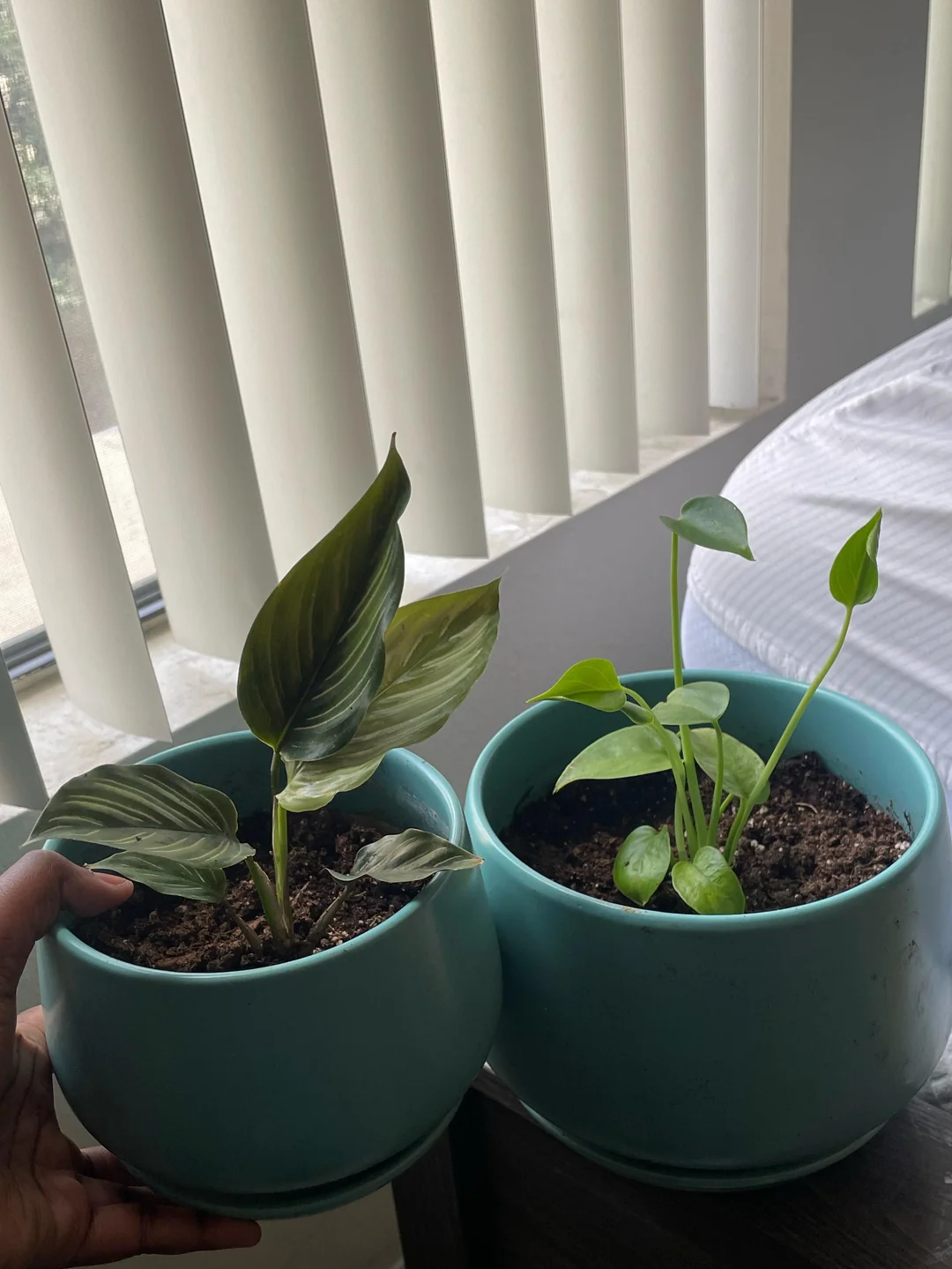
Seeing leaves curling indoor plants can be a warning that something in your plant’s environment isn’t quite right. From inconsistent watering and dry air to pests, excessive light, and root problems, curled leaves can have several different causes. This guide explains 7 hidden reasons behind curling leaves and the simple changes that can help your indoor plants recover.
Why Indoor Plant Leaves Curling? 7 Hidden Reasons
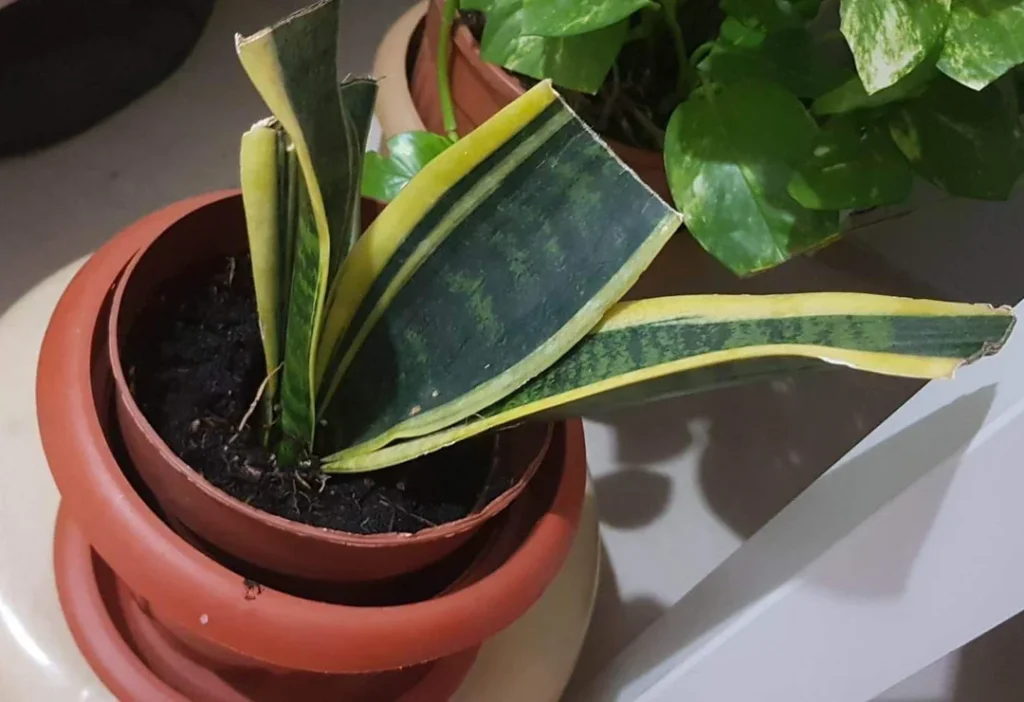
Healthy indoor plants usually have leaves that are open, firm, and naturally positioned according to their variety. So when the leaves suddenly begin curling inward, downward, or upward, it’s easy to assume something serious is wrong.
The good news is that curling leaves don’t always mean your plant is dying. In many cases, curling is simply the plant’s response to environmental stress. Leaves may curl to reduce moisture loss, protect themselves from intense light, or respond to problems occurring around the roots.
The challenge is figuring out why the curling is happening. Different plants can react differently to the same problem. One plant may curl its leaves because the soil is too dry, while another may show curling because it’s receiving too much direct sunlight. That’s why it’s important to look at the entire growing environment rather than treating the curled leaves alone.
If you’re searching for answers about leaves curling indoor plants, start by checking the soil, light, humidity, temperature, roots, and foliage for pests.
Once you identify the cause, the solution is often surprisingly simple.
7 Hidden Reasons Your Indoor Plant Leaves Are Curling
Before changing your plant’s entire care routine, look closely at the leaves.
Are they curling inward or outward?
Are the edges crispy or soft?
Is the soil completely dry or constantly wet?
Are there tiny insects underneath the leaves?
These details can help you determine what’s actually happening.
1. The Soil Is Too Dry
One of the most common reasons for leaves curling indoor plants is underwatering.
When the soil becomes too dry, the roots can’t supply enough moisture to the foliage. The plant may respond by curling or folding its leaves to reduce water loss.
You may also notice:
- Crispy leaf edges
- Drooping
- Dry soil
- Leaves becoming thinner
- Slow growth
If the potting mix feels completely dry several inches below the surface, your plant may be thirsty.
How to Fix It
Water thoroughly until excess water drains from the bottom of the container.
Don’t simply sprinkle a small amount of water over the surface. The goal is to moisten the root zone evenly.
Afterward, allow excess water to drain completely.
Going forward, check the soil before watering rather than following a rigid schedule. Different plants and indoor environments have different moisture requirements.
2. The Air Is Too Dry
Indoor air can become surprisingly dry, particularly during winter when heating systems are running regularly.
Low humidity increases moisture loss from leaves. Some plants respond by curling their foliage to conserve moisture.
This is particularly noticeable in plants that naturally prefer humid environments.
Signs of Low Humidity
- Curling leaf edges
- Crispy tips
- Dry-looking foliage
- Brown edges
- Leaves feeling unusually thin
What You Can Do
If your home is very dry, consider using a humidifier near your plants.
Grouping plants together can also create a slightly more humid microenvironment.
Keep plants away from direct airflow from heaters and air conditioners.
Misting can temporarily wet the leaf surface, but it doesn’t provide the same consistent humidity as a humidifier.
3. Your Plant Is Getting Too Much Direct Sunlight
Light is essential for healthy plant growth, but more isn’t always better.
Intense direct sunlight can cause leaves to curl, especially when the plant isn’t accustomed to strong light.
The combination of heat and intense sunlight increases moisture loss and can stress the foliage.
You may also see:
- Brown patches
- Bleached areas
- Scorched edges
- Curling leaves
- Faded foliage
If your plant is sitting directly against a hot south- or west-facing window, consider moving it slightly farther away or filtering the sunlight with a sheer curtain.
Bright indirect light is ideal for many popular indoor plants.
4. Temperature Stress Is Affecting the Leaves
Plants are sensitive to sudden temperature changes.
A plant may develop curled leaves after being exposed to cold drafts, hot air from heating vents, or sudden changes between indoor and outdoor environments.
This is particularly common when plants are placed close to windows or doors during colder months.
Check Your Plant’s Location
Avoid placing sensitive houseplants directly beside:
- Air conditioners
- Radiators
- Heating vents
- Drafty windows
- Exterior doors
Try to keep the temperature relatively stable.
If you recently moved the plant, give it time to adjust instead of repeatedly changing its location.
5. You’re Overwatering
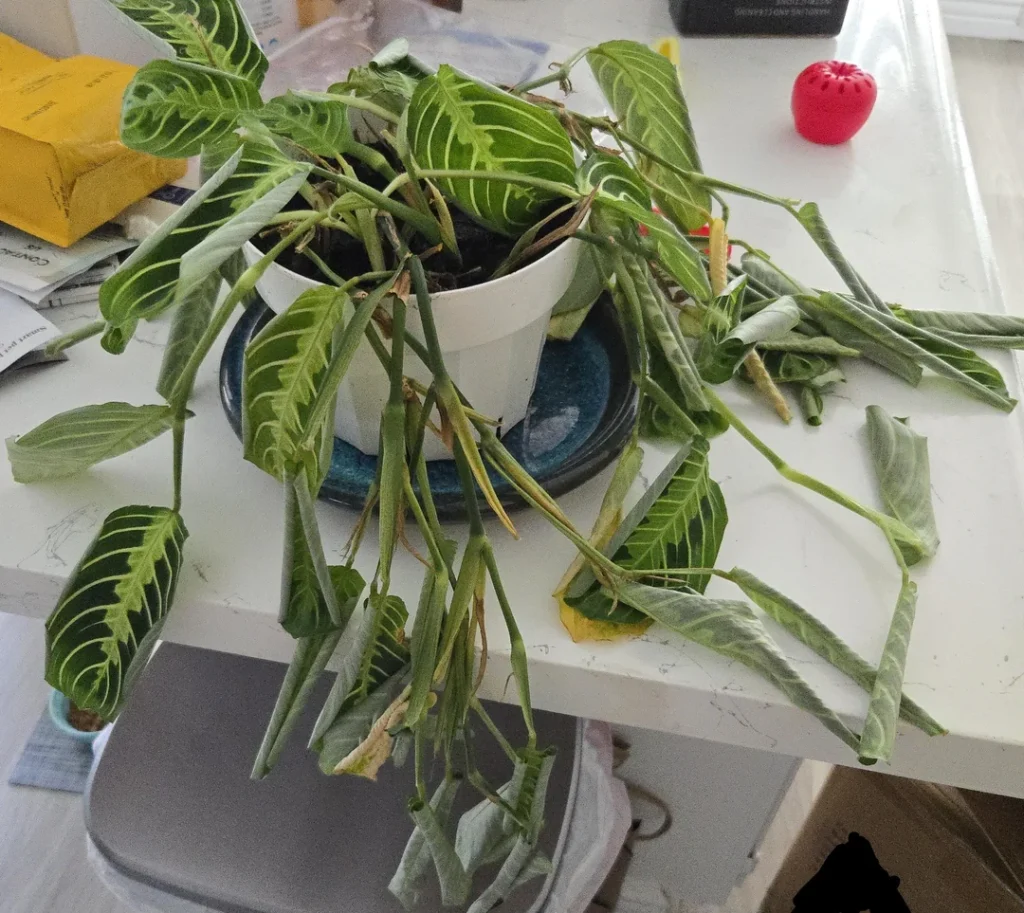
It may seem strange, but both too little water and too much water can cause curling leaves.
When soil remains constantly saturated, the roots may struggle to absorb oxygen. Over time, root stress can interfere with the plant’s ability to move water and nutrients to the foliage.
The result can be curled, yellowing, drooping, or soft leaves.
Check the Soil
If the soil feels wet several days after watering, don’t add more water.
Instead, check the drainage.
Make sure the container has drainage holes and that excess water can escape freely.
If the soil stays wet for an unusually long time, the potting mix may be too dense or the container may be too large for the plant.
6. The Roots Are Stressed
Sometimes the problem isn’t actually in the leaves.
It starts underground.
Root-bound conditions, poor drainage, damaged roots, or compacted soil can prevent the plant from absorbing water properly.
This can create symptoms that look similar to underwatering—even when the soil is moist.
Look for signs such as:
- Roots circling tightly around the pot
- Roots emerging from drainage holes
- Soil drying extremely quickly
- Persistent drooping
- Slow growth
- Curling leaves despite adequate watering
If the plant is severely root-bound or the soil has become compacted, repotting may help.
Choose a container only slightly larger than the existing root system and use a suitable, well-draining potting mix.
Avoid repotting unnecessarily, though. Healthy plants don’t need to be moved into larger pots simply because some leaves curl.
7. Pests Are Hiding on the Leaves
Tiny pests can cause significant leaf problems.
Spider mites, aphids, thrips, and other sap-sucking insects can damage plant tissue and interfere with normal growth.
If your plant has curled leaves and you notice tiny dots, webbing, sticky residue, silvery marks, or distorted new growth, inspect the foliage carefully.
Check both sides of the leaves and look closely around new growth and stems.
If pests are present, isolate the plant from other houseplants and treat the infestation with an appropriate plant-safe method.
Early treatment is much easier than dealing with a severe infestation later.
Quick Diagnosis Table
| What You Notice | Possible Cause | What to Check |
|---|---|---|
| Curling + crispy edges | Underwatering | Dry soil and watering routine |
| Curling + brown tips | Low humidity | Indoor humidity |
| Curling + brown patches | Too much sunlight | Window and light exposure |
| Curling + yellow leaves | Overwatering | Wet soil and drainage |
| Curling + slow growth | Root stress | Roots and pot size |
| Curling + tiny insects | Pests | Leaf undersides and stems |
| Curling after moving | Temperature/environmental stress | Recent location change |
How to Fix Curling Leaves Without Making Things Worse
When you first notice curled leaves, it’s tempting to react immediately.
You might water the plant, move it to another window, mist the leaves, add fertilizer, and repot it—all on the same day.
That’s exactly what you want to avoid.
Changing too many things at once can create additional stress and makes it impossible to determine what actually helped.
Instead, start with the simplest diagnosis: check the soil.
If the soil is bone dry, underwatering may be responsible. If it’s soaking wet, don’t add more water. Give the soil time to dry appropriately and investigate whether drainage is the issue.
Next, examine the lighting.
If the leaves are curling toward the light and showing scorched or bleached areas, intense sunlight may be the problem. If the plant is sitting in a very dark corner, insufficient light could be contributing to weak growth and stress.
Then look at the environment around the plant.
Is it next to a heater? Is an air conditioner blowing directly onto it? Is it beside a drafty window? These small environmental details can have a surprisingly large effect on indoor plants.
Don’t forget to inspect the foliage itself.
Turn the leaves over and check for pests. Look for tiny insects, webbing, sticky residue, distorted growth, or unusual markings.
Once you’ve identified the likely cause, make one or two targeted changes and give your plant time to respond.
You also need to remember that curled leaves won’t necessarily return to their original shape. If the tissue has been severely damaged, the existing leaf may remain curled even after you’ve corrected the problem.
Instead, watch the new growth.
New leaves developing normally are a much better indication that your plant is recovering.
How to Prevent Indoor Plant Leaves From Curling
Prevention starts with consistency.
Rather than trying to create perfect conditions, aim to avoid extreme changes.
Check the soil regularly and water according to the plant’s needs. Don’t assume every houseplant needs water once a week.
Keep plants in suitable lighting and avoid suddenly moving them from low light into intense direct sunlight.
Maintain reasonable indoor humidity, particularly for tropical plants that struggle in extremely dry air.
Keep plants away from strong drafts and heating or cooling vents.
Finally, inspect your plants regularly for pests.
A quick weekly check can help you catch problems before they become severe.
Should You Cut Off Curled Leaves?
Not necessarily.
If the leaf is still mostly green and healthy, you can leave it attached. The plant may continue using it even if it’s somewhat curled.
If the leaf has become severely damaged, brown, yellow, or completely dead, you can remove it with clean scissors.
However, pruning won’t fix the reason behind the curling.
Think of pruning as cosmetic maintenance—not a treatment.
Correct the environmental problem first, then allow the plant to produce healthier new growth.
Frequently Asked Questions
Why are my indoor plant leaves curling inward?
Curling inward can be caused by underwatering, low humidity, excessive light, heat, pests, or root stress. Check the soil and growing conditions before making changes.
Can overwatering cause leaves to curl?
Yes. Constantly wet soil can damage roots and interfere with water and nutrient absorption, resulting in curled or drooping foliage.
Should I water a plant when its leaves are curling?
Check the soil first. If it’s dry, watering may help. If the soil is already wet, adding more water could make the problem worse.
Can low humidity cause curling leaves?
Yes. Dry indoor air can increase moisture loss and cause some plants to curl their leaves, particularly tropical varieties.
Why are my leaves curling but the soil is wet?
Wet soil combined with curled leaves can indicate overwatering, poor drainage, or root stress. Check whether the container drains properly and whether the soil remains saturated.
Do pests cause curled leaves?
Yes. Sap-sucking pests can damage foliage and distort new growth. Inspect the undersides of leaves and around stems carefully.
Will curled leaves become normal again?
It depends on the severity of the damage. Mild curling may improve after the cause is corrected, but severely damaged leaves may remain curled.
Should I mist curling leaves?
Misting can temporarily increase moisture on the leaf surface but doesn’t provide consistent humidity. If dry air is the problem, a humidifier is usually more effective.
Can too much sunlight curl leaves?
Yes. Strong direct sunlight can increase heat and moisture loss, causing curling, scorching, or browning.
Final Thoughts
When you notice leaves curling indoor plants, don’t immediately assume you’ve done something terribly wrong. Curling is often a plant’s response to stress, and identifying that stress is usually more important than treating the curled leaf itself.
Start with the basics.
Check the soil before watering. Look at the amount and intensity of light. Examine the humidity and temperature around the plant. Inspect the roots if other symptoms suggest a problem underground, and always check the foliage for pests.
Most importantly, avoid making several dramatic changes at once. Indoor plants need time to adjust, and constant moving, watering, repotting, and fertilizing can create even more stress.
Remember that different plants have different requirements. A succulent won’t want the same watering routine as a tropical plant, and a plant growing in bright sunlight won’t have the same moisture needs as one growing in a dim room.
Once you identify the underlying cause, give your plant stable conditions and patience. Damaged leaves may not completely recover, but healthy new growth is a strong sign that your plant is getting back on track.
With consistent care, appropriate light, proper watering, and a stable indoor environment, those curled leaves can become a thing of the past.
Don’t just straighten the leaves—find out what they’re trying to tell you, fix the cause, and let healthy new growth take over.

Sophie Bennett
Sophie Bennett is a Plant lover, chronic propagator, and firm believer that every room needs at least one Monstera. She writes about plant care, styling, and the joy of bringing the outdoors in keeping it honest, simple, and always beginner friendly.
Sophie Bennett
Sophie Bennett is a Plant lover, chronic propagator, and firm believer that every room needs at least one Monstera. She writes about plant care, styling, and the joy of bringing the outdoors in keeping it honest, simple, and always beginner friendly.
Get more inspiration
Subscribe for weekly plant care tips, grow guides, and fresh inspiration delivered straight to your inbox.