
Peace Lily Drooping? 8 Ways to Fix It Fast
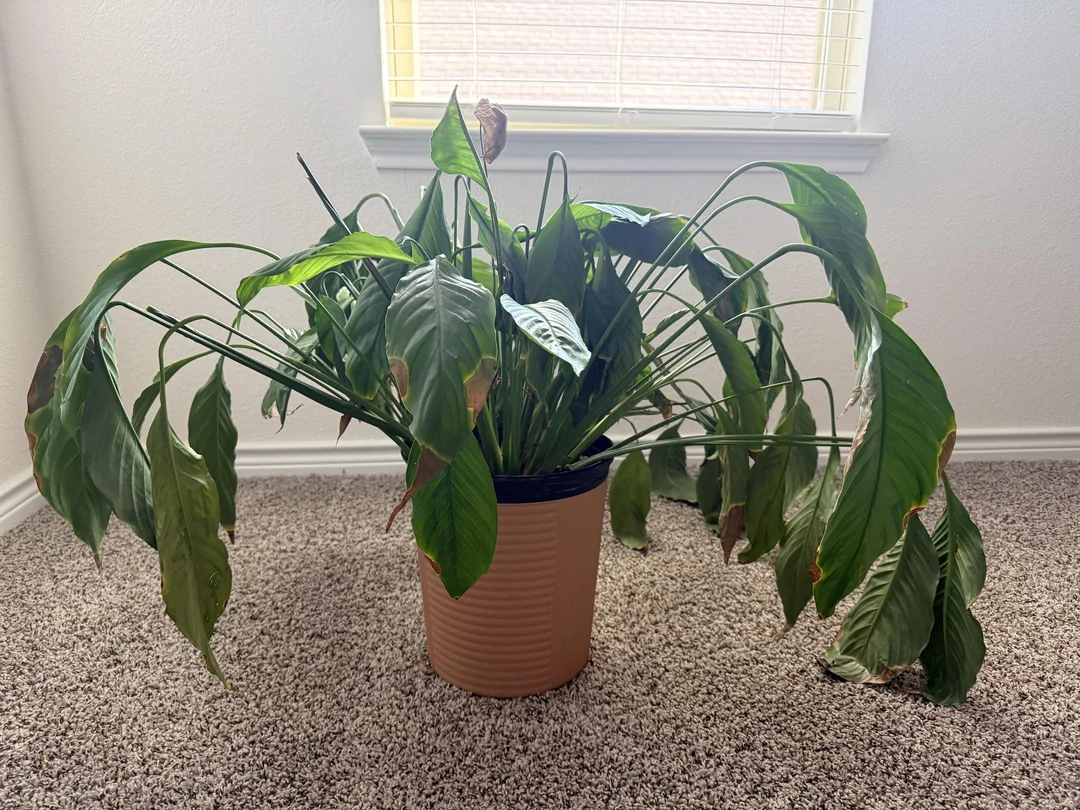
A peace lily drooping is one of the most common concerns among houseplant owners, but it doesn’t always mean your plant is dying. From watering mistakes to lighting issues, this guide explains the real reasons your peace lily is drooping and the fastest ways to bring it back to life.
Why Your Peace Lily Is Drooping (And How to Fix It Fast)
Peace lilies are loved for their glossy green leaves, elegant white blooms, and ability to brighten almost any indoor space. They’re often considered easy-care indoor plants, but they’re also known for being dramatic. One day your plant looks lush and healthy, and the next, every leaf is hanging limp over the sides of the pot. If you’re dealing with a peace lily drooping unexpectedly, don’t panic. In most cases, drooping is your plant’s way of telling you that something in its environment needs attention.
The key is figuring out what’s causing the stress before it leads to yellow leaves, root damage, or poor growth. The good news is that peace lilies recover quickly once the problem is corrected. Whether your plant is thirsty, overwatered, receiving too much sunlight, or struggling with poor drainage, there are simple solutions that can restore its healthy appearance.
In this guide, we’ll explore the most common reasons your peace lily is drooping, how to identify each issue, and the steps you can take to help your plant stand tall again. A peace lily drooping is usually caused by underwatering, overwatering, poor drainage, low humidity, temperature stress, insufficient light, root-bound conditions, or transplant shock. Identifying the exact cause and correcting it quickly can help your peace lily recover within a few hours or days.
Reasons for Peace Lily Drooping
Drooping leaves are one of the earliest signs that a peace lily is under stress.
Sometimes the cause is obvious, like dry soil after forgetting to water the plant. Other times, the issue develops slowly, such as compacted soil or damaged roots that prevent the plant from absorbing moisture.
Before making changes to your care routine, inspect the soil, check the light conditions, and look closely at the leaves and roots. The symptoms often provide valuable clues about what’s affecting your plant.
The most common causes include:
- Underwatering
- Overwatering
- Poor drainage
- Too much direct sunlight
- Low humidity
- Temperature changes
- Root-bound growth
- Recent repotting
Let’s look at each one in detail.
1. Underwatering
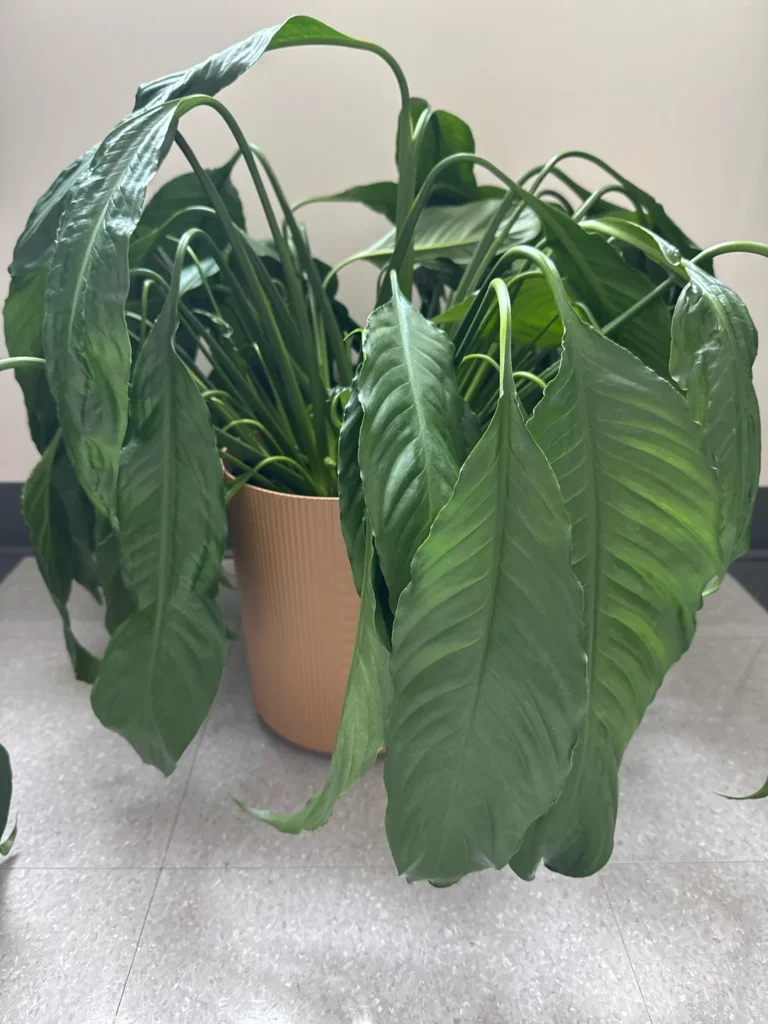
The most common reason for a peace lily drooping is underwatering. Peace lilies use their leaves to signal thirst. When the soil becomes too dry, the leaves quickly lose firmness and begin hanging down. Fortunately, this is also one of the easiest problems to fix.
Signs
- Dry soil
- Limp leaves
- Crispy brown leaf edges
- Pot feels very light
How to Fix It
- Water deeply until excess water drains from the bottom.
- Allow the plant to absorb moisture fully.
- Empty excess water from the saucer.
- Resume watering whenever the top inch of soil begins to dry.
Most underwatered peace lilies begin perking up within a few hours.
2. Overwatering
Many people assume drooping always means the plant needs more water, but overwatering can cause the same symptom. When the soil stays constantly wet, roots lose access to oxygen and may begin to rot. Damaged roots can’t absorb water properly, causing the leaves to droop even though the soil is saturated.
Signs
- Wet or soggy soil
- Yellow leaves
- Soft stems
- Musty smell from the pot
- Mushy roots
How to Fix It
- Stop watering until the soil partially dries.
- Remove damaged roots if root rot is present.
- Repot into fresh, well-draining soil if necessary.
- Always use a pot with drainage holes.
3. Poor Drainage
Even if you’re watering correctly, poor drainage can keep the soil wet for too long.
Heavy potting mixes, decorative pots without drainage holes, or blocked drainage holes all trap moisture around the roots.
Signs
- Water remains on the soil surface
- Soil stays wet for several days
- Yellowing leaves
- Fungus gnats around the pot
How to Fix It
- Repot using a loose, well-draining indoor potting mix.
- Add perlite or orchid bark for better aeration.
- Ensure drainage holes remain clear.
Healthy roots need both moisture and oxygen to thrive.
4. Too Much Direct Sunlight
Peace lilies naturally grow beneath the forest canopy, where they receive filtered light.
Direct afternoon sunlight can scorch the leaves, increase water loss, and cause the plant to wilt or droop.
Signs
- Brown leaf tips
- Faded foliage
- Dry patches on leaves
- Soil drying out unusually fast
How to Fix It
- Move the plant to bright, indirect light.
- Avoid harsh afternoon sun.
- Rotate the pot occasionally for even growth.
A location near an east-facing or north-facing window is often ideal for healthy growth indoors.
5. Low Humidity
Peace lilies are tropical plants that naturally thrive in warm, humid rainforests. When grown indoors, especially during winter or in air-conditioned homes, dry air can cause the leaves to lose moisture faster than the roots can replace it. This often results in drooping leaves, even when the soil is adequately moist.
If your peace lily is drooping but the soil isn’t dry or soggy, low humidity may be the hidden culprit.
Signs
- Drooping leaves despite moist soil
- Brown, crispy leaf tips
- Curled leaf edges
- Slow new growth
How to Fix It
- Increase indoor humidity to 50–60% if possible.
- Place the pot on a pebble tray filled with water.
- Use a humidifier near the plant.
- Group houseplants together to create a more humid environment.
Improving humidity often helps leaves become firmer and healthier over time.
6. Temperature Stress
A sudden change in temperature can quickly cause a peace lily drooping problem. Peace lilies dislike cold drafts, heating vents, and rapid fluctuations in temperature. Even placing the plant near an open window during winter can stress it enough to make the leaves droop.
Signs
- Sudden drooping
- Curling leaves
- Brown edges
- Slower growth
How to Fix It
Keep your peace lily in temperatures between 65°F and 80°F (18°C–27°C).
Avoid placing it near:
- Air conditioners
- Radiators
- Heating vents
- Drafty doors and windows
Stable temperatures help the plant recover much faster.
7. Your Peace Lily Has Become Root-Bound
Peace lilies grow steadily indoors, and over time their roots may completely fill the pot.
When this happens, the roots compete for water and nutrients, making it difficult for the plant to stay hydrated. Even frequent watering may not solve the problem because there’s very little soil left to hold moisture.
Signs
- Roots growing through drainage holes
- Water drains immediately
- Slow growth
- Smaller leaves
- Frequent drooping after watering
How to Fix It
Repot into a container that’s only 1–2 inches larger than the current pot.
Refresh the potting mix with a well-draining indoor soil blend and water thoroughly after repotting.
Most peace lilies show improved growth within a few weeks.
8. Transplant Shock
If your peace lily started drooping shortly after being repotted, it’s probably experiencing transplant shock.
Repotting disturbs the roots, and the plant temporarily focuses on rebuilding its root system instead of supporting the leaves.
Fortunately, this condition is usually temporary.
Signs
- Drooping begins within a few days of repotting
- Leaves remain green
- Soil moisture appears normal
- No signs of pests
How to Fix It
- Keep the soil lightly moist.
- Place the plant in bright, indirect light.
- Avoid fertilizing for two to four weeks.
- Allow time for recovery.
Most peace lilies recover within one to three weeks.
Quick Diagnosis Table
| Cause | Common Signs | Best Solution |
| Underwatering | Dry soil, limp leaves | Water deeply |
| Overwatering | Wet soil, yellow leaves | Let soil dry and improve drainage |
| Poor Drainage | Constantly wet soil | Repot with well-draining mix |
| Direct Sunlight | Brown patches, drooping | Move to indirect light |
| Low Humidity | Crispy tips, curled leaves | Increase humidity |
| Temperature Stress | Sudden drooping | Maintain stable temperatures |
| Root-Bound Plant | Roots showing, slow growth | Repot into a larger pot |
| Transplant Shock | Drooping after repotting | Give the plant time to recover |
How to Prevent Your Peace Lily From Drooping Again
The easiest way to deal with a peace lily drooping problem is to prevent it before it starts. Peace lilies aren’t difficult to care for, but they do appreciate consistency. Small changes in your routine can make a big difference in keeping the leaves upright, healthy, and vibrant.
Water According to the Soil, Not the Calendar
One of the biggest mistakes plant owners make is watering on a fixed schedule. Instead of watering every few days, check the soil first. If the top inch feels dry, it’s time to water. If it’s still moist, wait another day or two. This simple habit prevents both underwatering and overwatering.
Choose the Right Location
Light plays a major role in keeping your peace lily healthy. Place your plant where it receives bright, indirect sunlight throughout the day. Avoid dark corners where growth slows, but also keep it away from harsh afternoon sun that can scorch the leaves. A spot near an east-facing window usually works well.
Maintain Healthy Soil
Over time, potting soil becomes compacted and loses its ability to drain properly. Refreshing the soil every two to three years improves airflow around the roots and helps prevent root rot. For the best results, use a high-quality indoor potting mix with added perlite for drainage.
Don’t Forget About Humidity
Indoor heating and air conditioning can significantly reduce humidity. If your home’s air feels dry, your peace lily probably feels it too. Simple ways to increase humidity include:
- Using a humidifier.
- Placing plants close together.
- Keeping a pebble tray beneath the pot.
Higher humidity supports healthier leaves and reduces stress.
Clean the Leaves Regularly
Dust prevents leaves from absorbing light efficiently. Every few weeks, gently wipe each leaf with a damp microfiber cloth. This not only improves photosynthesis but also helps you spot pests before they become a serious problem.
Feed During Active Growth
Peace lilies benefit from regular feeding during spring and summer. Use a balanced liquid houseplant fertilizer every four to six weeks. Avoid fertilizing during winter when growth naturally slows.
Watch for Early Warning Signs
Your peace lily usually gives subtle clues before serious problems develop.
Watch for:
- Slight drooping
- Yellow leaves
- Brown tips
- Slower growth
Responding early often prevents more significant issues later.
With consistent care, most peace lilies remain lush, upright, and healthy throughout the year.
Frequently Asked Questions
How quickly does a drooping peace lily recover?
An underwatered peace lily can recover within a few hours after watering, while recovery from overwatering or transplant shock may take several days or weeks.
Should I cut off drooping leaves?
Not immediately. If the leaves regain their firmness after correcting the problem, there’s no need to remove them. Only prune leaves that are yellow, brown, or permanently damaged.
Can too much sunlight make a peace lily droop?
Yes. Direct sunlight increases water loss and can cause leaves to wilt, droop, and develop brown patches.
How often should I water my peace lily?
Water whenever the top inch of soil feels dry rather than following a strict schedule.
Can a peace lily recover from root rot?
Yes, if caught early. Remove damaged roots, repot in fresh soil, and adjust your watering routine.
Why does my peace lily droop after repotting?
This is usually transplant shock. Most plants recover within a couple of weeks with proper care.
Final Thoughts
A peace lily drooping is usually a sign that your plant needs a simple adjustment rather than a complete rescue. Whether the problem is underwatering, overwatering, poor drainage, low humidity, temperature stress, or crowded roots, identifying the cause early makes recovery much easier. Peace lilies are incredibly resilient and often bounce back quickly once their growing conditions improve.
The key to long-term success is consistency. Water based on soil moisture, provide bright indirect light, maintain moderate humidity, and use well-draining soil to support healthy roots. By paying attention to the early warning signs and making small changes when needed, you can enjoy a lush, vibrant peace lily that continues to brighten your home with beautiful green foliage and elegant white blooms for years to come.
A thriving peace lily starts with understanding what its leaves are trying to tell you and responding before a small problem becomes a bigger one.

Sophie Bennett
Sophie Bennett is a Plant lover, chronic propagator, and firm believer that every room needs at least one Monstera. She writes about plant care, styling, and the joy of bringing the outdoors in keeping it honest, simple, and always beginner friendly.
Sophie Bennett
Sophie Bennett is a Plant lover, chronic propagator, and firm believer that every room needs at least one Monstera. She writes about plant care, styling, and the joy of bringing the outdoors in keeping it honest, simple, and always beginner friendly.
Get more inspiration
Subscribe for weekly plant care tips, grow guides, and fresh inspiration delivered straight to your inbox.