
How to Make Spider Plant Babies Grow Faster | 11 Tips
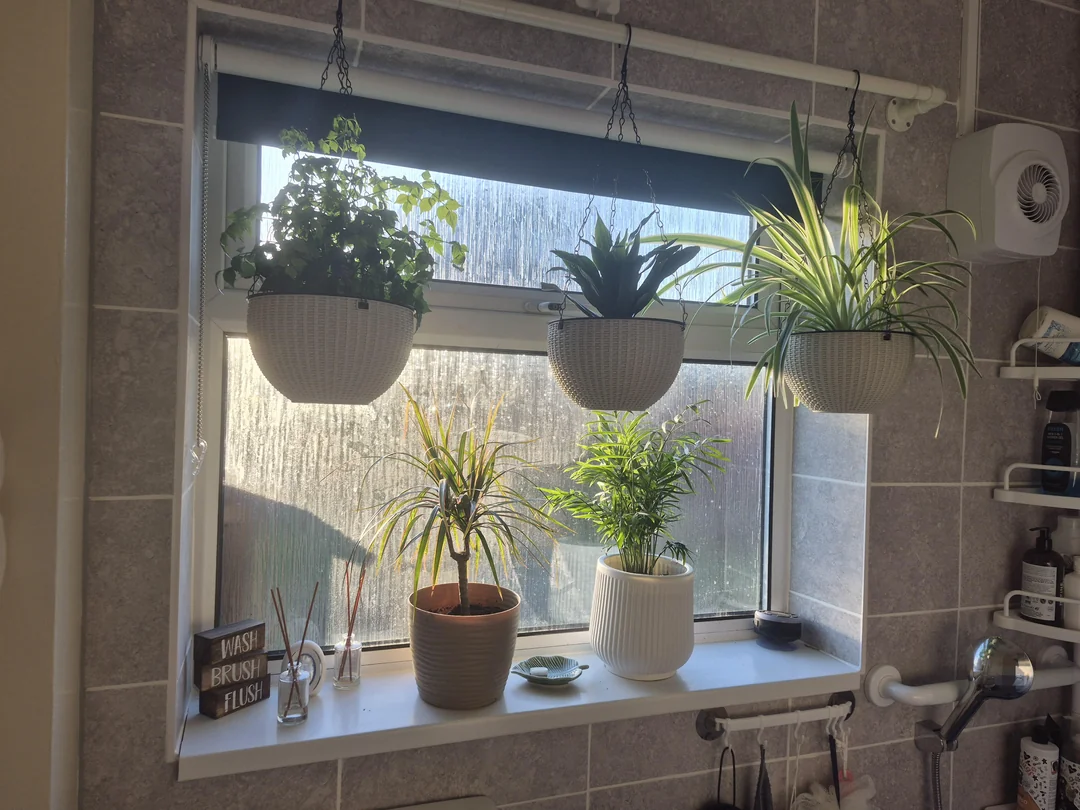
Healthy spider plant babies can quickly grow into beautiful, mature plants with the right care. These spider plant babies care tips cover everything from proper light and watering to soil, humidity, and feeding, helping your young plants establish strong roots and produce healthy new leaves much faster.
Spider Plant Babies Care: Start with Healthy Roots
Before trying to speed up growth, remember that healthy roots always come first. Most spider plant babies naturally grow slowly during their first few weeks because they’re focusing on establishing a strong root system. Once healthy roots develop, new leaves usually appear much faster.
Instead of looking only at the leaves, pay attention to the roots and overall plant health. The following tips will help create the ideal environment for steady, healthy growth.
1. Wait Until the Babies Have Small Roots
One of the biggest mistakes beginners make is removing spider plant babies too early.
Although tiny babies may look ready to plant, those with visible root nubs or small roots generally establish themselves much faster after propagation.
If possible, leave the baby attached to the mother plant until you notice small roots beginning to develop.
Why It Helps
- Stronger root system
- Less transplant shock
- Faster establishment
- Quicker leaf growth
If you must remove a baby without roots, don’t worry. It can still root successfully with proper care—it may simply take a little longer.
2. Give Them Bright, Indirect Light
Light is one of the most important parts of successful spider plant babies care.
Young plants need enough light to produce energy, but harsh direct sunlight can dry them out before the roots become established.
Best Location
- Near an east-facing window
- Bright north-facing room
- Filtered light near a south-facing window
Aim for around six to eight hours of bright, indirect light each day.
If natural light is limited, a quality grow light can also encourage steady growth.
3. Plant Them in Well-Draining Soil
Healthy roots need both moisture and oxygen.
Heavy soil that stays wet for too long can slow rooting and increase the risk of root rot.
Ideal Soil Mix
Use a combination of:
- Quality indoor potting soil
- Perlite
- Coco coir or peat moss
This creates a light, airy growing medium that holds enough moisture without becoming waterlogged.
Avoid compacting the soil when planting. Loose soil allows young roots to spread more easily.
4. Water Carefully
Watering young Spider Plant babies requires balance.
Too little water slows root development, while too much water can suffocate delicate new roots.
Best Watering Method
- Water thoroughly after planting.
- Allow the top inch of soil to become slightly dry before watering again.
- Never leave the pot standing in water.
Instead of following a strict watering schedule, always check the soil first.
Remember that small pots dry faster than large ones.
5. Keep Temperatures Warm
Spider Plant babies establish themselves much faster in warm conditions.
Cold temperatures slow root development and reduce overall growth.
Ideal Temperature
Keep your young plants between 65°F and 80°F (18°C–27°C) whenever possible.
Avoid placing them:
- Near air conditioners
- Beside heating vents
- Close to drafty windows
- Next to frequently opened exterior doors
Stable warmth helps the roots grow steadily.
6. Provide Moderate Humidity
While Spider Plants adapt well to average indoor humidity, newly propagated babies appreciate slightly higher humidity while establishing roots.
Moderate humidity reduces moisture loss through the leaves and helps prevent unnecessary stress.
Easy Ways to Increase Humidity
- Group houseplants together.
- Place the pot on a pebble tray.
- Run a humidifier nearby.
- Keep the plant away from dry heating vents.
There’s no need to create tropical conditions—just avoid extremely dry air during the early rooting stage.
Healthy humidity, combined with proper watering, creates ideal conditions for faster root and leaf development.
7. Feed Young Spider Plants Lightly
Once your spider plant babies begin producing new leaves, they’re ready for a small nutritional boost. Fertilizer isn’t necessary immediately after propagation because the young roots are still developing. Feeding too early can actually burn delicate roots and slow growth.
Wait until you see active growth before applying a balanced liquid house plant fertilizer at half strength. Feed once every four to six weeks during spring and summer when the plant is actively growing.
Avoid fertilizing during winter because Spider Plants naturally grow more slowly during cooler months. Consistent, gentle feeding is far more effective than trying to force rapid growth with excessive fertilizer.
8. Choose the Right Pot Size
Many people assume a larger pot helps a small plant care and grow faster, but that’s rarely true.
Spider plant babies develop best in containers that are only slightly larger than their root system. An oversized pot holds excess moisture, increasing the risk of root rot and slowing healthy development.
Choose a small nursery pot with drainage holes and repot only when roots begin circling the container or growing through the drainage holes. As the root system expands, the leaves will usually grow larger and healthier too.
9. Remove Weak or Damaged Babies
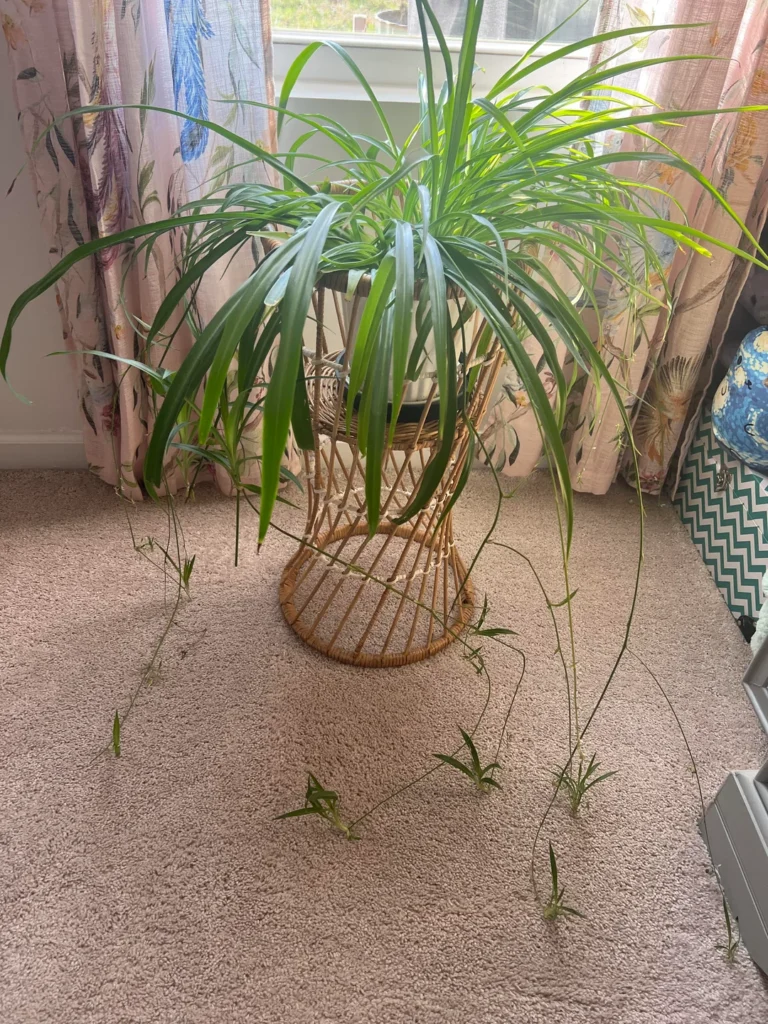
Not every spiderette produced by the mother plant will become a vigorous new houseplant. Some babies may be damaged, unusually small, or struggle to establish roots.
Instead of spending months trying to save unhealthy offsets, focus your attention on the strongest babies with healthy leaves and visible root nubs.
Removing weak or damaged spiderettes also allows the mother plant to direct more energy toward producing healthier new growth and stronger offsets.
Always use clean scissors or pruning shears when removing damaged babies to prevent unnecessary stress or disease.
10. Rotate the Pot Every Few Weeks
Young Spider Plants naturally grow toward their light source.
If the pot stays in one position for months, the leaves may begin leaning in one direction, creating uneven growth.
Rotating the container every two or three weeks allows all sides of the plant to receive equal light. This encourages balanced leaf production and creates a fuller, more attractive plant.
A small adjustment every few weeks is enough. Avoid moving the plant to completely different locations too often because constant environmental changes can slow growth.
11. Be Patient and Let the Roots Do the Work
Perhaps the most important lesson in successful spider plant babies care is patience.
Newly propagated Spider Plants often appear inactive for several weeks. During this time, they’re not doing nothing—they’re investing their energy below the soil by producing roots and strengthening the crown.
Once the root system is established, you’ll often notice several new leaves appearing in a relatively short period.
Trying to speed up this process by watering more frequently or adding extra fertilizer usually creates problems instead of encouraging growth.
Healthy roots always come before fast leaves.
Spider Plant Babies Care Checklist
| Care Factor | Best Practice |
|---|---|
| Light | Bright indirect light |
| Water | Water when the top inch of soil dries |
| Soil | Light, well-draining potting mix |
| Pot Size | Small pot with drainage holes |
| Temperature | 65–80°F (18–27°C) |
| Humidity | Moderate indoor humidity |
| Fertilizer | Half strength every 4–6 weeks in spring and summer |
| Rotation | Turn the pot every 2–3 weeks |
| Repotting | Only when roots become crowded |
| Propagation | Use healthy babies with visible roots |
| Patience | Allow time for roots to establish |
Common Mistakes That Slow Spider Plant Babies
Even when you’re following most care instructions correctly, a few small mistakes can prevent your spider plant babies from growing as quickly as they should. The good news is that these problems are usually easy to correct once you recognize them.
One of the biggest mistakes is separating babies from the mother plant too early. Tiny spiderettes without roots can still survive, but they require more time and energy to establish themselves. Waiting until small roots appear gives your new plant a much stronger start.
Overwatering is another common issue. Many people assume young plants need constant moisture, but soggy soil deprives the roots of oxygen and encourages rot. Instead of watering on a schedule, check the soil with your finger. If it still feels moist, wait another day or two before watering again.
Keeping new Spider Plants in very dark corners is another reason growth slows dramatically. Although mature Spider Plants tolerate lower light levels, young plants need bright, indirect light to produce enough energy for healthy root and leaf development. A brighter location often results in noticeably stronger growth.
Large pots also cause unnecessary problems. When there’s too much soil surrounding a tiny root system, the soil remains wet much longer than the plant can use. This increases the risk of root damage and delays new growth. A snug pot encourages the roots to establish more efficiently.
Some gardeners make the mistake of fertilizing immediately after propagation. Young roots are delicate, and excess nutrients can damage them rather than helping them grow. Wait until your plant begins producing fresh leaves before introducing a gentle fertilizer routine.
Constantly moving your plant around the house is another overlooked issue. Every new location has different light levels, temperatures, and humidity. Frequent changes force the plant to adjust repeatedly instead of focusing its energy on growth. Choose a suitable location and allow the plant to settle.
Ignoring drainage can also create long-term problems. Even the best watering routine won’t help if excess water has nowhere to escape. Always use pots with drainage holes and a loose potting mix that allows oxygen to reach the roots.
Finally, avoid comparing your spider plant babies to fast-growing houseplants like pothos. Spiderettes naturally spend their first few weeks developing a healthy root system before producing noticeable foliage. This quiet stage is completely normal and shouldn’t be mistaken for poor health.
When you provide consistent care and avoid these common mistakes, your young Spider Plants will gradually reward you with fresh green leaves, stronger roots, and steady, healthy growth.
Frequently Asked Questions
How long do spider plant babies take to grow?
Most spider plant babies begin producing noticeable new growth within a few weeks after developing healthy roots, although growth speed depends on light, temperature, and overall care.
Should I root spider plant babies in water or soil?
Both methods work well. Water propagation lets you monitor root growth, while soil propagation helps young plants adapt immediately to their permanent growing environment.
How often should I water spider plant babies?
Water whenever the top inch of soil becomes dry. Avoid allowing the soil to stay constantly wet.
Do spider plant babies need fertilizer?
Yes, but only after they begin actively growing. Use a balanced liquid fertilizer at half strength during spring and summer.
Why aren’t my spider plant babies growing?
The most common causes include insufficient light, overwatering, poor drainage, cold temperatures, or simply the normal rooting phase after propagation.
Can spider plant babies grow in low light?
They can survive in low light, but bright indirect light encourages much faster and healthier growth.
When should I repot spider plant babies?
Repot once the roots begin filling the container or growing through the drainage holes.
Can I leave spider plant babies attached to the mother plant?
Yes. Keeping them attached until they develop small roots often improves their chances of successful growth after propagation.
Grow Healthy Spider Plants
Growing healthy Spider Plant babies isn’t about finding a secret trick or expensive fertilizer. Success comes from providing consistent care while allowing nature to take its course. Strong roots, bright indirect light, proper watering, and patience are far more important than trying to force rapid growth.
Remember that every young Spider Plant develops at its own pace. Some offsets establish themselves quickly, while others spend several weeks focusing on root development before producing noticeable new leaves. This is perfectly normal and often a sign that your plant is building a strong foundation for future growth.
By following these spider plant babies care tips, you’ll give your young plants the best possible start. Avoid overwatering, choose a well-draining soil mix, keep temperatures warm, and feed lightly only after active growth begins. Small improvements in your care routine can make a big difference over time.
With a little consistency and patience, those tiny spiderettes will soon transform into healthy, lush houseplants that produce babies of their own. Before long, you’ll have a thriving collection of Spider Plants to enjoy throughout your home or share with friends and family.
Healthy roots today create beautiful Spider Plants for years to come.

Sophie Bennett
Sophie Bennett is a Plant lover, chronic propagator, and firm believer that every room needs at least one Monstera. She writes about plant care, styling, and the joy of bringing the outdoors in keeping it honest, simple, and always beginner friendly.
Sophie Bennett
Sophie Bennett is a Plant lover, chronic propagator, and firm believer that every room needs at least one Monstera. She writes about plant care, styling, and the joy of bringing the outdoors in keeping it honest, simple, and always beginner friendly.
Get more inspiration
Subscribe for weekly plant care tips, grow guides, and fresh inspiration delivered straight to your inbox.