
Spider Plant Brown Tips? 7 Causes and Easy Fixes
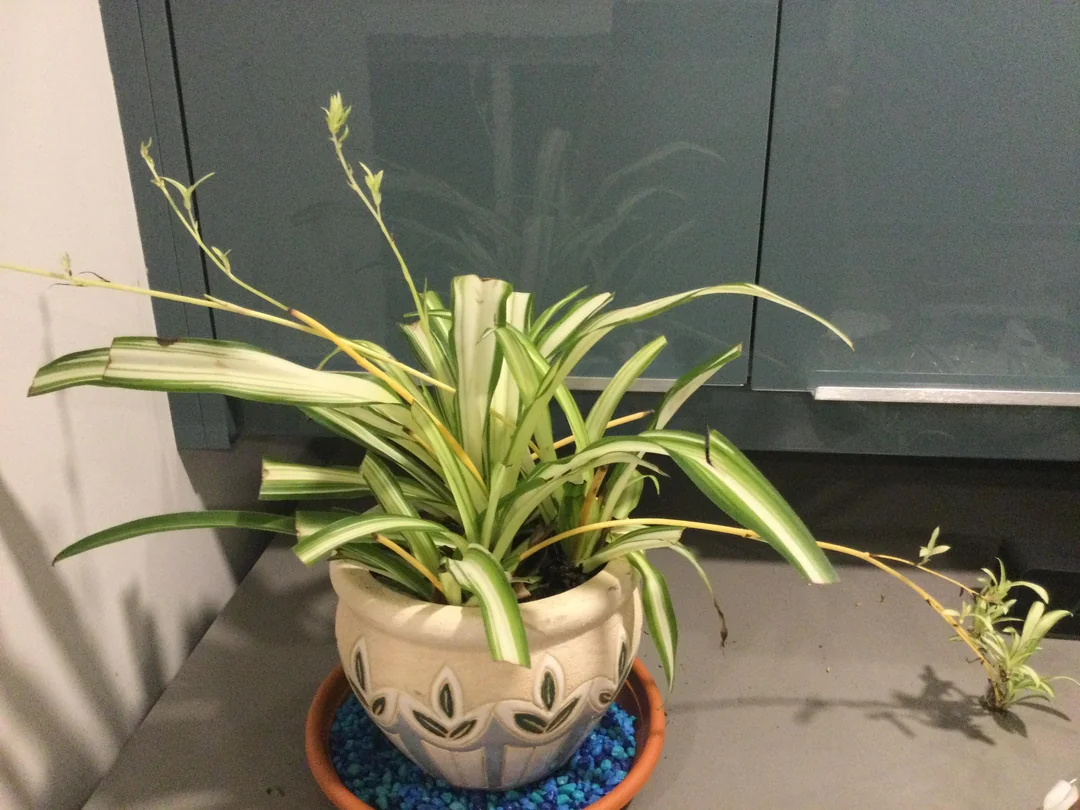
Seeing spider plant brown tips can be frustrating, especially when the rest of your plant looks healthy and continues producing new leaves. Brown tips are usually a sign that your Spider Plant is reacting to its environment, with common causes including inconsistent watering, low humidity, mineral buildup, excessive fertilizer, and poor water quality. The good news is that most causes are easy to fix once you identify what your plant needs.
Why Your Spider Plant Has Brown Tips And How to Stop It?
Spider Plants are among the easiest houseplants to grow, but even the most forgiving plants can develop problems. One of the most common issues plant parents notice is brown, crispy tips appearing on otherwise healthy green leaves. If you’re dealing with spider plant brown tips, you might immediately assume that your plant is dying. Fortunately, that’s rarely the case. Brown leaf tips are usually a stress signal rather than a sign that the entire plant is unhealthy.
Spider Plants are sensitive to changes in moisture, humidity, water quality, and the amount of minerals in their soil. Because of this, a plant can look lush and healthy overall while still developing brown tips.
The key is to figure out what is causing the browning instead of simply cutting off the damaged ends. Trimming the brown parts can improve the plant’s appearance, but it won’t stop new brown tips from appearing unless you correct the underlying problem. In this guide, you’ll discover the 7 most common reasons for spider plant brown tips, how to identify each one, and exactly what you can do to prevent the problem from coming back.
7 Reasons Your Spider Plant Has Brown Tips
Before you start changing your plant’s entire care routine, take a closer look at the pattern of the browning.
Are only the tips affected?
Are the leaves also yellow?
Is the soil completely dry or constantly wet?
Is your plant sitting near a sunny window or heating vent?
These clues can help you identify the real cause.
Here are seven common reasons your Spider Plant may be developing brown tips.
1. You’re Not Watering Consistently
One of the most common causes of spider plant brown tips is inconsistent watering.
Spider Plants prefer evenly moist soil during their active growing season. They don’t like sitting in soggy soil, but allowing the soil to become completely dry for extended periods can also stress the plant.
When the roots don’t receive enough moisture, the leaf tips are often the first areas to show damage.
Signs of Underwatering
- Brown, crispy tips
- Dry soil
- Drooping leaves
- Curling foliage
- Leaves becoming pale
How to Fix It
Check the soil regularly instead of watering according to a strict calendar.
When the top inch or two of soil feels dry, water thoroughly until excess water drains from the bottom of the pot.
Don’t give your Spider Plant tiny amounts of water every day. Deep, thorough watering followed by appropriate drying is usually more effective.
2. Your Tap Water Contains Too Many Minerals
Spider Plants can be surprisingly sensitive to the minerals and chemicals found in some tap water.
Fluoride, chlorine, and dissolved salts can accumulate in the soil over time. This buildup may eventually damage the leaf tips, causing them to turn brown.
If your plant receives consistent care but continues developing brown tips, your water quality could be the hidden problem.
What You Can Do
Try using:
- Filtered water
- Distilled water
- Rainwater, where safe and appropriate
You can also occasionally flush the soil with plenty of water to help remove accumulated minerals.
If you notice that new brown tips continue appearing despite proper watering, consider switching your water source.
3. The Air Is Too Dry
Spider Plants can tolerate average household conditions, but extremely dry air may cause their leaf tips to become brown and crispy.
This is especially common during winter when indoor heating reduces humidity.
Signs of Low Humidity
- Brown leaf tips
- Crispy edges
- Dry-looking foliage
- Multiple plants showing similar symptoms
How to Fix It
Increase humidity around the plant by:
- Running a humidifier nearby
- Grouping plants together
- Placing the plant in a naturally humid room
Avoid relying entirely on frequent misting. The moisture from misting evaporates quickly and usually doesn’t provide consistent humidity.
A humidifier is a more reliable solution if your indoor air is particularly dry.
4. You’re Using Too Much Fertilizer
More fertilizer doesn’t necessarily mean faster or healthier growth.
In fact, overfertilizing is another common reason for spider plant brown tips.
When excess fertilizer salts build up in the soil, they can damage the roots and cause the tips and edges of the leaves to turn brown.
Signs of Overfertilizing
- Brown leaf tips
- White crust forming on the soil
- Leaf edges becoming dry
- Slow or stunted growth
How to Fix It
Reduce the frequency of fertilizing and avoid applying fertilizer at full strength unless the product specifically recommends it.
If you suspect significant fertilizer buildup, flush the soil thoroughly with water and allow the excess to drain completely.
During winter, reduce or stop fertilizing because the plant’s growth naturally slows.
5. Your Spider Plant Is Getting Too Much Direct Sun
Spider Plants prefer bright, indirect light.
While they need enough light to grow well, intense direct sunlight—especially through a hot window—can scorch the foliage.
This can cause brown tips, brown patches, or faded leaves.
Best Location
Place your Spider Plant:
- Near an east-facing window
- A few feet away from a bright south-facing window
- In a bright room with filtered sunlight
If your plant is sitting directly in harsh afternoon sunlight, move it slightly farther from the window or use a sheer curtain to filter the light.
6. The Soil Isn’t Draining Properly
Poor drainage can cause problems even if your watering routine is perfect.
When water remains trapped around the roots, the plant may develop root stress. Damaged roots can’t absorb water and nutrients efficiently, which can eventually contribute to browning and unhealthy foliage.
Signs of Poor Drainage
- Soil stays wet for many days
- Yellowing leaves
- Drooping despite wet soil
- Unpleasant smell
- Brown or mushy roots
How to Fix It
Use a pot with drainage holes and choose a light, well-draining potting mix.
A combination of quality indoor potting soil and perlite can help improve drainage and airflow.
Never allow your Spider Plant to sit in standing water.
7. Temperature Changes Are Stressing Your Plant
Spider Plants prefer stable temperatures, as they are indoor plants.
Sudden changes caused by cold drafts, air conditioning, or heating vents can stress the plant and contribute to brown tips.
Avoid Placing Your Spider Plant Near
- Air conditioners
- Heating vents
- Drafty windows
- Frequently opened exterior doors
Keep your plant in a relatively stable environment with comfortable indoor temperatures.
If you recently moved your Spider Plant to a new location and noticed brown tips shortly afterward, environmental stress could be part of the problem.
Quick Diagnosis Table
| Problem | What You’ll Notice | What to Do |
| Inconsistent watering | Brown, crispy tips and dry soil | Water thoroughly when the top soil dries |
| Mineral buildup | Browning despite good care | Use filtered or distilled water |
| Low humidity | Dry, crispy tips and edges | Increase surrounding humidity |
| Overfertilizing | Brown tips and salt buildup | Reduce feeding and flush soil |
| Too much direct sun | Brown patches or scorched leaves | Move to bright indirect light |
| Poor drainage | Wet soil and yellowing leaves | Improve drainage and check roots |
| Temperature stress | Browning after environmental changes | Keep plant away from drafts and vents |
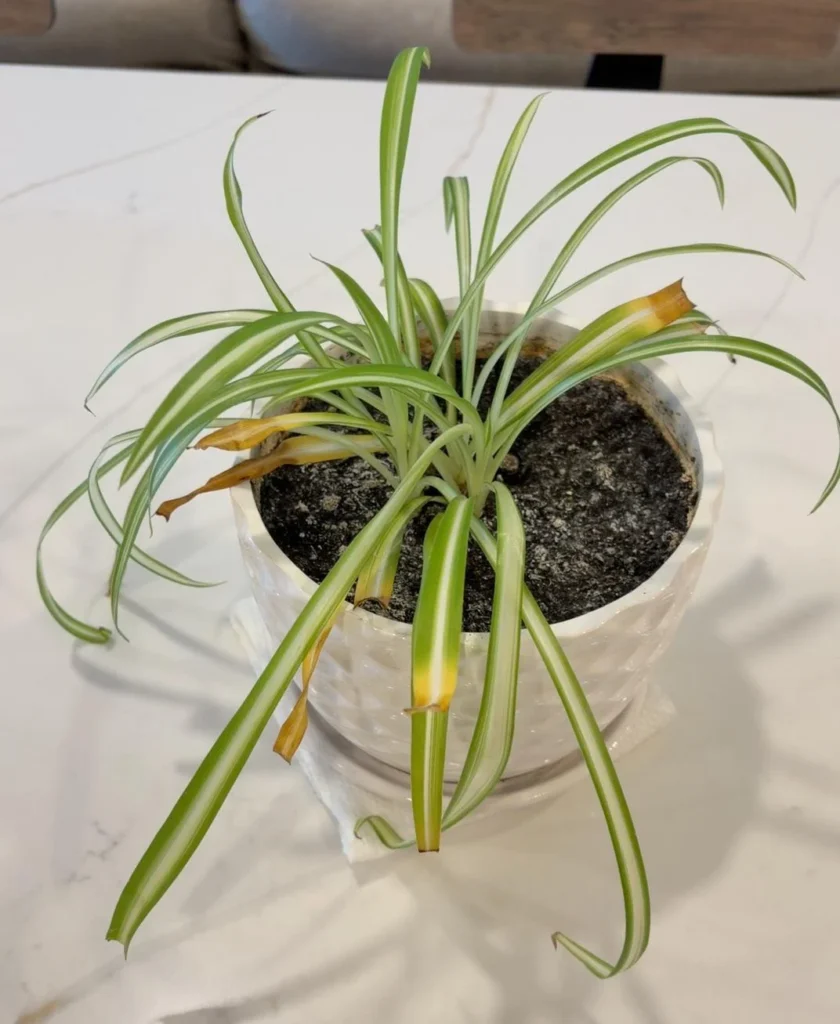
How to Stop Spider Plant Brown Tips From Coming Back
Once you understand the cause of spider plant brown tips, preventing them becomes much easier. The key is to create a stable environment rather than constantly changing your plant’s care routine.
Start with watering. Instead of following a fixed schedule, check the soil every few days. Your Spider Plant may need water more frequently during warm, bright growing conditions and much less during winter. The goal is to keep the soil lightly moist without allowing it to remain constantly saturated.
Water quality is another factor worth considering. If you live in an area with hard water or your tap water contains high levels of minerals, switching to filtered or distilled water may make a noticeable difference. You don’t necessarily have to make the switch immediately, but if your Spider Plant develops brown tips despite otherwise excellent care, water quality is worth investigating.
Humidity can also make a difference. Spider Plants don’t need extremely high humidity, but very dry air can contribute to crispy leaf tips. If your home is particularly dry, especially during winter, consider using a humidifier nearby.
Don’t forget about fertilizer. Spider Plants benefit from feeding during active growth, but excessive fertilizer can cause salt buildup. Follow the recommended dosage and avoid the temptation to fertilize more often simply because you want faster growth.
Lighting should also be balanced. Your plant needs enough bright, indirect light to remain healthy, but harsh direct sunlight can damage the leaves. If the tips are browning on the side facing the window, consider moving the plant a little farther away.
Finally, remember that brown tips won’t turn green again. Once a leaf is damaged, the affected tissue stays brown. You can trim the damaged section with clean scissors, following the natural shape of the leaf. However, don’t remove healthy green tissue unnecessarily.
Your goal isn’t to make old brown tips disappear—it’s to prevent new ones from forming.
Should You Cut Off Brown Spider Plant Tips?
Yes, you can trim brown tips to improve your plant’s appearance.
However, pruning won’t solve the underlying problem.
Use clean, sharp scissors and carefully cut away the brown section while following the natural shape of the leaf. You can leave a tiny amount of brown tissue rather than cutting into healthy green tissue.
If the entire leaf is damaged or yellow, you can remove it at the base.
The important thing is to investigate why the browning happened in the first place. If you simply trim the tips without fixing the cause, new brown tips will likely appear.
Frequently Asked Questions
Why does my Spider Plant have brown tips but look healthy?
Brown tips can occur even when the rest of your plant is healthy. Water quality, low humidity, inconsistent watering, and mineral buildup are common causes.
Will brown Spider Plant tips turn green again?
No. Once leaf tissue turns brown, it won’t become green again. However, correcting the underlying problem can prevent new leaves from developing brown tips.
Should I cut the brown tips off my Spider Plant?
Yes. You can trim the brown sections with clean scissors to improve the plant’s appearance. Just avoid cutting into healthy green tissue.
How often should I water my Spider Plant?
Water when the top inch or two of soil feels dry. The exact frequency depends on light, temperature, humidity, and pot size.
Can tap water cause Spider Plant brown tips?
Yes. Some tap water contains minerals or chemicals that can accumulate in the soil and cause leaf-tip browning.
Does misting prevent brown Spider Plant tips?
Misting may provide temporary moisture but usually doesn’t maintain consistent humidity. A humidifier is generally more effective in very dry environments.
Does Spider Plant need direct sunlight?
No. Bright, indirect light is ideal. Harsh direct sunlight can scorch the leaves and cause brown patches.
Why are my Spider Plant tips turning brown after repotting?
Repotting can temporarily stress the plant, especially if the roots were disturbed. Changes in watering, light, or humidity after repotting can also contribute to browning.
Can overfertilizing cause brown tips?
Yes. Excess fertilizer salts can accumulate in the soil and damage the roots, resulting in brown tips and leaf edges.
Grow your spider plant without brown tips
If you’re dealing with spider plant brown tips, don’t assume your plant is dying. Brown tips are one of the most common problems Spider Plant owners experience, and in many cases, the plant can remain perfectly healthy despite some cosmetic damage.
The real solution is to look beyond the brown tissue and investigate what’s happening around the plant. Check your watering routine, consider the quality of your water, examine the soil, and think about the amount of light and humidity your Spider Plant receives.
If your plant is growing new leaves and producing healthy spiderettes, that’s usually a positive sign. A few brown tips don’t mean you’ve failed as a plant parent.
Remember that Spider Plants prefer consistency. Give them bright indirect light, appropriate moisture, good drainage, moderate humidity, and balanced feeding, and they’ll usually reward you with lush foliage and plenty of new growth.
You may not be able to reverse the brown tips that are already there, but with a few simple changes, you can stop the problem from spreading to new leaves.
Fix the cause behind the brown tips, and your Spider Plant can return to producing the lush, green foliage you love.

Sophie Bennett
Sophie Bennett is a Plant lover, chronic propagator, and firm believer that every room needs at least one Monstera. She writes about plant care, styling, and the joy of bringing the outdoors in keeping it honest, simple, and always beginner friendly.
Sophie Bennett
Sophie Bennett is a Plant lover, chronic propagator, and firm believer that every room needs at least one Monstera. She writes about plant care, styling, and the joy of bringing the outdoors in keeping it honest, simple, and always beginner friendly.
Get more inspiration
Subscribe for weekly plant care tips, grow guides, and fresh inspiration delivered straight to your inbox.