
How to Grow ZZ Plant Faster Indoors: 11 Simple Tips
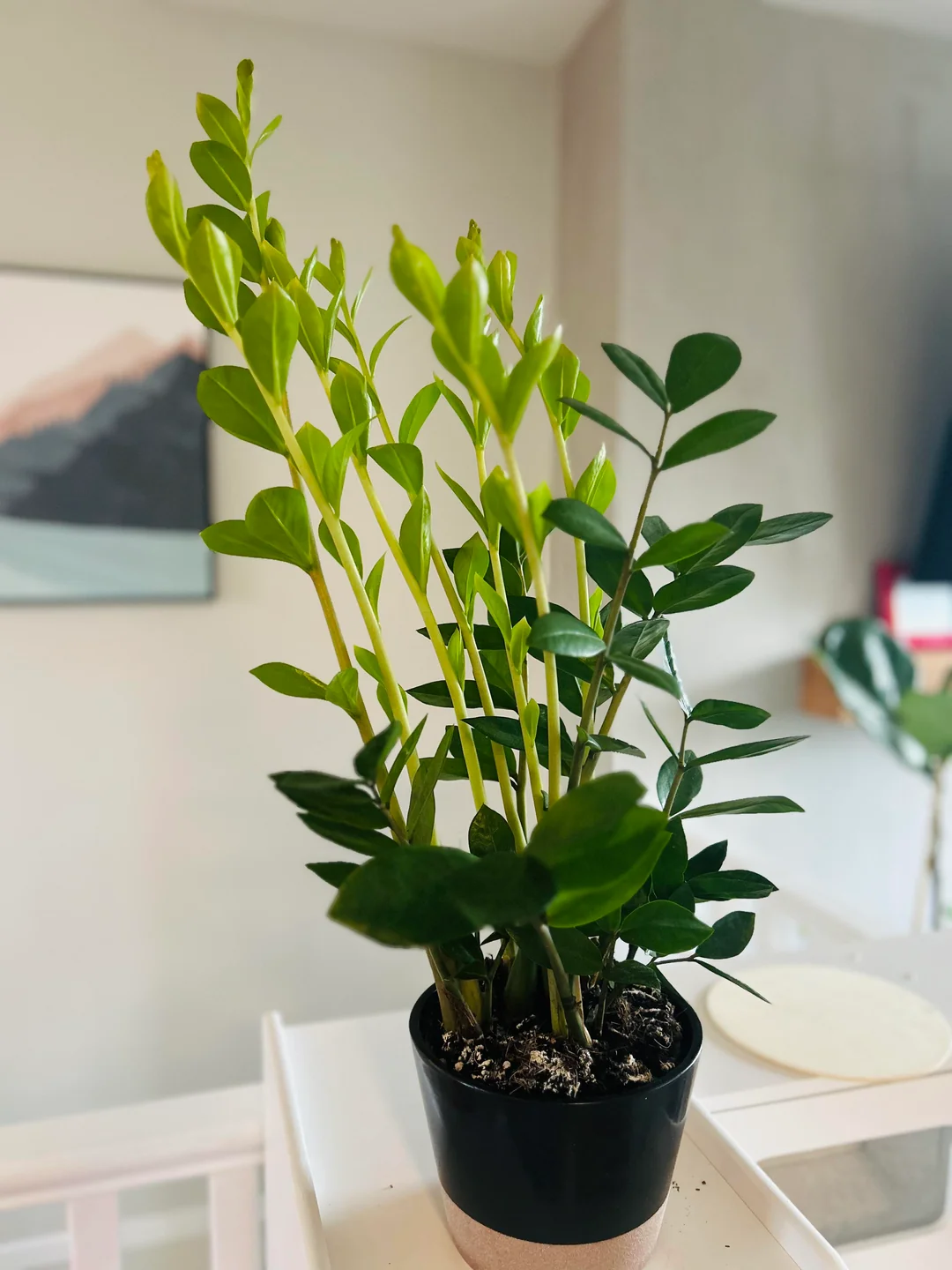
Want to see new leaves and stronger growth from your ZZ Plant? These ZZ plant growth tips will help you create the ideal indoor environment with the right balance of light, water, nutrients, soil, and temperature. From improving your plant’s lighting to repotting at the right time, these simple tricks can help encourage healthier and faster growth.
ZZ Plants are famous for being nearly impossible to kill. They tolerate low light, survive periods of drought, and don’t need constant attention. But there’s a difference between simply keeping a ZZ Plant alive and actually encouraging it to grow faster. If your plant has looked exactly the same for months—or even years—you may wonder what you’re doing wrong. The truth is that ZZ Plants are naturally slow growers, especially when compared with plants like pothos or spider plants. However, the right growing conditions can make a noticeable difference in how quickly your plant produces new shoots and leaves.
The best ZZ plant growth tips aren’t about forcing the plant to grow overnight. Instead, they’re about giving it everything it needs to grow at its natural maximum rate. Better lighting, correct watering, healthy roots, and adequate nutrition can all encourage stronger growth.
Why Is My ZZ Plant Growing So Slowly?
Before trying to speed up growth, it’s important to understand that ZZ Plants are naturally slow-growing houseplants.
They store water and nutrients in underground rhizomes and are adapted to survive periods of drought and low light. This means they don’t need to constantly produce new leaves to stay healthy.
However, extremely slow growth may indicate that your plant isn’t receiving ideal conditions.
Common reasons include:
- Insufficient light
- Overwatering
- Poor drainage
- Nutrient deficiency
- Cold temperatures
- Root-bound conditions
- Poor-quality soil
- Lack of consistent care
The good news is that most of these issues are easy to correct.
Here are 11 practical ZZ plant growth tips to encourage healthier and faster growth indoors.
1. Give Your ZZ Plant Brighter Indirect Light
Light is one of the biggest factors affecting ZZ Plant growth.
While ZZ Plants can survive in low-light conditions, they usually grow much more slowly. If you want to encourage new shoots and leaves, move your plant to a brighter location with plenty of indirect sunlight.
Best Location
- Near an east-facing window
- A few feet from a bright south-facing window
- In a bright room with filtered sunlight
Avoid harsh afternoon sunlight directly hitting the leaves, as it can cause scorching.
Quick Tip
If your ZZ Plant is growing extremely slowly, try moving it gradually to a brighter location. More light means more energy for photosynthesis, which can support stronger growth.
2. Water Only When the Soil Is Mostly Dry
One of the most important ZZ plant growth tips is learning not to overwater.
ZZ Plants store water in their thick rhizomes, so they don’t need frequent watering. Constantly wet soil can suffocate the roots and lead to root rot, which will slow growth dramatically.
Best Watering Routine
- Check the soil before watering.
- Allow the soil to dry significantly between waterings.
- Water thoroughly when it’s time.
- Let excess water drain completely.
During winter, your ZZ Plant may need much less water because growth naturally slows.
Healthy roots are the foundation of healthy growth.
3. Use Fast-Draining Soil
Even if you water correctly, heavy soil can cause problems.
A dense potting mix holds too much moisture around the roots and reduces airflow. ZZ Plants prefer soil that drains quickly and doesn’t stay soggy.
Ideal Soil Mix
Try combining:
- Indoor potting soil
- Perlite
- Pumice or coarse sand
The exact ratio isn’t as important as ensuring the final mix is loose and well-draining.
A healthy root environment gives the rhizomes the oxygen they need to support new growth.
4. Choose the Right Pot Size
A larger pot doesn’t automatically mean faster growth.
In fact, putting a small ZZ Plant into a huge container can create problems because the extra soil holds moisture for longer. This increases the risk of overwatering and root rot.
Choose a pot that is only slightly larger than the current root system.
Best Practice
When repotting, choose a container approximately 1–2 inches larger than the current pot.
Always make sure it has drainage holes.
A properly sized pot allows the roots to develop without creating unnecessary moisture problems.
5. Fertilize During the Growing Season
ZZ Plants don’t require heavy feeding, but nutrients can help support faster growth during their active growing season.
If your plant has been in the same soil for years, nutrient levels may become depleted.
How to Feed
Use a balanced liquid houseplant fertilizer during spring and summer.
Apply it according to the manufacturer’s instructions, usually every four to six weeks.
Avoid overfertilizing.
Too much fertilizer can cause salt buildup, damage the roots, and actually slow growth instead of improving it.
6. Keep Temperatures Warm and Stable
ZZ Plants grow best in warm indoor plant environments.
Cold temperatures can slow their metabolism and cause growth to become almost completely dormant.
For faster growth, try to maintain temperatures around 65°F–80°F (18°C–27°C).
Avoid placing your plant directly next to:
- Air conditioners
- Cold windows
- Drafty doors
- Heating vents
Stable temperatures allow your ZZ Plant to focus its energy on producing new growth.
7. Increase Humidity When Needed
ZZ Plants are highly adaptable and don’t require tropical humidity to survive.
However, extremely dry air combined with other stress factors can affect overall plant health.
If your indoor air is very dry, especially during winter, moderate humidity can help create a more comfortable environment.
Try These Options
- Run a humidifier nearby.
- Group plants together.
- Keep the plant away from heating vents.
You don’t need to create a rainforest indoors. Just avoid extremely dry conditions.
8. Clean the Leaves Regularly
This is one of the simplest ZZ plant growth tips that many people overlook.
Dust can accumulate on the glossy leaves and interfere with the plant’s ability to absorb light efficiently.
Every few weeks, gently wipe the leaves with a damp microfiber cloth.
Cleaning the foliage helps:
- Remove dust
- Improve light absorption
- Support photosynthesis
- Keep the plant looking healthier
While cleaning, check the leaves for pests such as spider mites or scale.
Healthy, clean foliage can contribute to better overall growth.
9. Rotate Your Plant for Even Growth
ZZ Plants naturally grow toward their light source.
If your plant stays in the same position for months, you may notice that new growth develops more strongly on one side.
Rotating the pot every few weeks helps all sides of the plant receive more balanced light.
Quick Tip
Turn the pot slightly every two to three weeks.
This encourages more even growth and helps prevent the plant from becoming lopsided.
Don’t rotate it constantly, though. Give the plant enough time to adjust to its position.
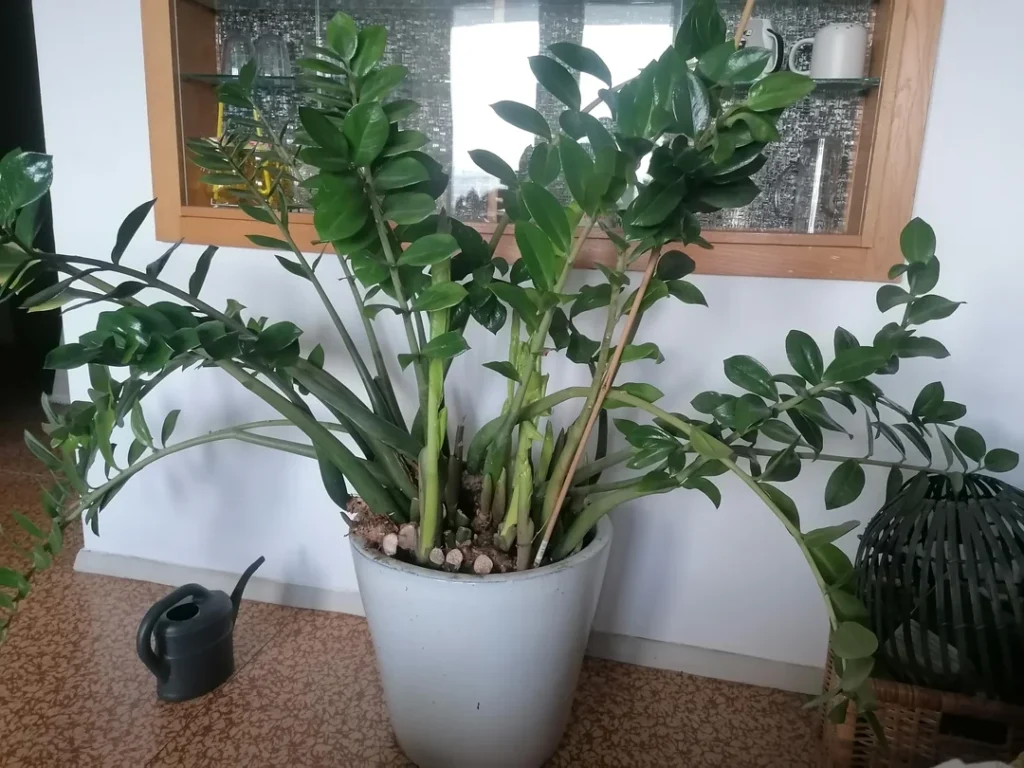
10. Repot When the Roots Become Crowded
A ZZ Plant can stay in the same container for several years, but eventually the roots and rhizomes may become crowded.
When the root system becomes severely cramped, growth may slow because there’s little room for new root development.
Signs It’s Time to Repot
- Roots growing from drainage holes
- Rhizomes pushing against the pot
- Soil drying unusually quickly
- Plant becoming unstable
- Growth slowing despite good care
Choose a pot only slightly larger than the current one and refresh the soil with a well-draining mix.
Repotting is best done during spring or early summer when the plant is actively growing.
11. Propagate for a Fuller ZZ Plant
If your goal is a fuller-looking plant rather than simply faster growth, propagation can help.
ZZ Plants can be propagated through several methods, including leaf cuttings and division. However, propagation from leaves can take a long time because the plant needs to develop roots and a new rhizome before producing significant growth.
Division is generally faster when you already have a mature ZZ Plant with multiple stems and established rhizomes.
For a Fuller Plant
- Remove the plant from its pot carefully.
- Separate sections with healthy roots and rhizomes.
- Replant each section in its own container.
- Use well-draining soil.
- Water lightly and allow the plant to establish.
Propagation won’t necessarily make an individual ZZ Plant grow faster, but it can help you create a fuller collection and multiply healthy plants.
ZZ Plant Growth Checklist
| Care Factor | Best Practice |
| Light | Bright, indirect light |
| Water | Allow soil to dry significantly |
| Soil | Loose, fast-draining mix |
| Pot | Only slightly larger than root system |
| Fertilizer | Every 4–6 weeks during active growth |
| Temperature | 65°F–80°F (18°C–27°C) |
| Humidity | Average to moderate indoor humidity |
| Leaf Care | Clean leaves every few weeks |
| Rotation | Every 2–3 weeks |
| Repotting | When roots become crowded |
| Propagation | Divide mature plants for fuller growth |
Common Mistakes That Slow ZZ Plant Growth
Even with the best intentions, some common habits can actually make your ZZ Plant grow more slowly.
Watering Too Frequently
This is probably the biggest mistake.
More water doesn’t equal faster growth. Overwatering damages the roots, and damaged roots cannot support healthy new leaves.
Let the soil dry between waterings.
Keeping It in Extremely Low Light
Your ZZ Plant may survive in a dark corner, but it won’t grow quickly there.
If you’re trying to encourage faster growth, brighter indirect light is one of the easiest improvements you can make.
Using a Huge Pot
A large pot holds more soil and therefore more moisture.
This can create a wet environment around the roots and increase the risk of rot.
Choose a pot that’s appropriately sized for your plant.
Fertilizing Too Much
Fertilizer is not a magic growth booster.
Overfertilizing can damage the roots and cause leaf problems.
Feed moderately during the growing season instead.
Expecting Instant Results
This is perhaps the most important thing to remember.
ZZ Plants are naturally slow growers.
Even when conditions are perfect, you may need to wait several weeks or months before seeing significant new growth.
Don’t keep changing the plant’s location or care routine every few days. Consistency is more valuable than constantly experimenting.
Frequently Asked Questions
How fast does a ZZ Plant grow indoors?
ZZ Plants are naturally slow-growing. Under good indoor conditions, a healthy plant may produce several new stems during the growing season, but growth varies significantly depending on light, age, and overall health.
What is the best way to make a ZZ Plant grow faster?
Providing brighter indirect light, proper watering, well-draining soil, and occasional fertilizer during active growth can encourage faster development.
Does more sunlight make ZZ Plants grow faster?
Generally, yes, as long as the light is bright and indirect. Too much direct sunlight can scorch the leaves.
How often should I fertilize my ZZ Plant?
Feed approximately every four to six weeks during spring and summer using a balanced houseplant fertilizer.
Why is my ZZ Plant not producing new leaves?
Low light, overwatering, poor root health, nutrient deficiencies, and natural slow growth can all contribute. Check the plant’s growing conditions before making changes.
Can I use coffee grounds to make my ZZ Plant grow faster?
It’s better not to add fresh coffee grounds directly to your ZZ Plant’s pot. They can alter soil conditions and may contribute to moisture problems. Use a balanced houseplant fertilizer instead.
Does a ZZ Plant need humidity to grow?
ZZ Plants tolerate average indoor humidity well. Extremely dry conditions may stress the plant, but increasing humidity isn’t usually the most important factor for faster growth.
Should I prune my ZZ Plant to make it grow faster?
Pruning doesn’t necessarily make ZZ Plants grow faster. Remove yellow or damaged stems, but focus primarily on providing proper light, water, and nutrition.
Can I grow a ZZ Plant in water?
ZZ Plant cuttings can be rooted in water, but established plants generally perform better when grown in a well-draining soil mix.
How to Encourage Your ZZ Plant to Produce New Growth
If your ZZ Plant seems stuck in a growth pause, don’t immediately assume that something is wrong. ZZ Plants naturally go through periods where they appear to do absolutely nothing above the soil. During this time, the plant may actually be developing its underground rhizomes and root system.
This is why patience is one of the most underrated ZZ plant growth tips.
Start by checking the amount of light your plant receives. If it’s sitting in a very dark corner, move it gradually to a brighter location with indirect light. Better lighting gives the plant more energy to support photosynthesis and new growth.
Next, examine your watering habits. If you’re watering every week simply because that’s what you’ve always done, stop and check the soil first. ZZ Plants don’t follow a strict calendar. Their watering needs change depending on the season and indoor conditions. During active growth, they may need water more frequently, while winter usually requires much less.
Then look at the roots. If the soil remains wet for an unusually long time, the problem may be poor drainage rather than a lack of water. A healthy ZZ Plant needs a pot with drainage holes and a loose soil mix that allows excess moisture to escape.
Nutrition is another piece of the puzzle. If your plant has been in the same pot for several years, the soil may no longer contain enough nutrients to support vigorous growth. During spring and summer, a balanced fertilizer can provide the extra nutrition needed for new shoots and leaves.
Temperature also matters. A ZZ Plant kept near a cold window or air conditioner may slow down significantly. Moving it to a warm, stable location can help it return to active growth.
Finally, don’t keep disturbing the plant. Moving it from one window to another every few days, repotting unnecessarily, or constantly changing your watering routine can create more stress. Give your ZZ Plant stable conditions and time to adjust.
The most important thing to remember is that faster growth doesn’t mean overnight growth. ZZ Plants are naturally slow, but when they receive the right care consistently, they can surprise you with new shoots that seem to appear almost overnight. Focus on creating the right environment, and let your plant grow at its own pace.
Final Thoughts
Learning how to encourage faster growth doesn’t mean trying to force your ZZ Plant into becoming a fast-growing houseplant. ZZ Plants are naturally slow, and that’s part of what makes them so easy to care for. However, the right environment can help your plant reach its full growth potential instead of sitting dormant for months.
The most effective ZZ plant growth tips are surprisingly simple. Give your plant bright indirect light, let the soil dry between waterings, use well-draining soil, and provide occasional nutrients during the active growing season. Keep the temperature stable, avoid unnecessary stress, and give the roots enough space when the plant becomes crowded.
Don’t worry if you don’t see new leaves immediately. A healthy ZZ Plant may spend weeks or even months developing its underground rhizomes before sending up a new stem. Once that new shoot appears, you’ll know that your consistent care is paying off.
The biggest mistake is trying to speed things up by overwatering or overfertilizing. These shortcuts often damage the roots and create the exact opposite result. Instead, focus on consistency and patience.
With the right combination of light, moisture, nutrition, and healthy roots, your ZZ Plant can gradually become fuller, stronger, and more vibrant. You may not see dramatic growth every week, but when those glossy new stems finally emerge, you’ll know the wait was worth it.
Give your ZZ Plant the right conditions, stop trying to rush nature, and let healthy roots do the work of creating beautiful new growth.

Sophie Bennett
Sophie Bennett is a Plant lover, chronic propagator, and firm believer that every room needs at least one Monstera. She writes about plant care, styling, and the joy of bringing the outdoors in keeping it honest, simple, and always beginner friendly.
Sophie Bennett
Sophie Bennett is a Plant lover, chronic propagator, and firm believer that every room needs at least one Monstera. She writes about plant care, styling, and the joy of bringing the outdoors in keeping it honest, simple, and always beginner friendly.
Get more inspiration
Subscribe for weekly plant care tips, grow guides, and fresh inspiration delivered straight to your inbox.