
ZZ Plant Yellow Leaves? 7 Causes and Easy Fixes
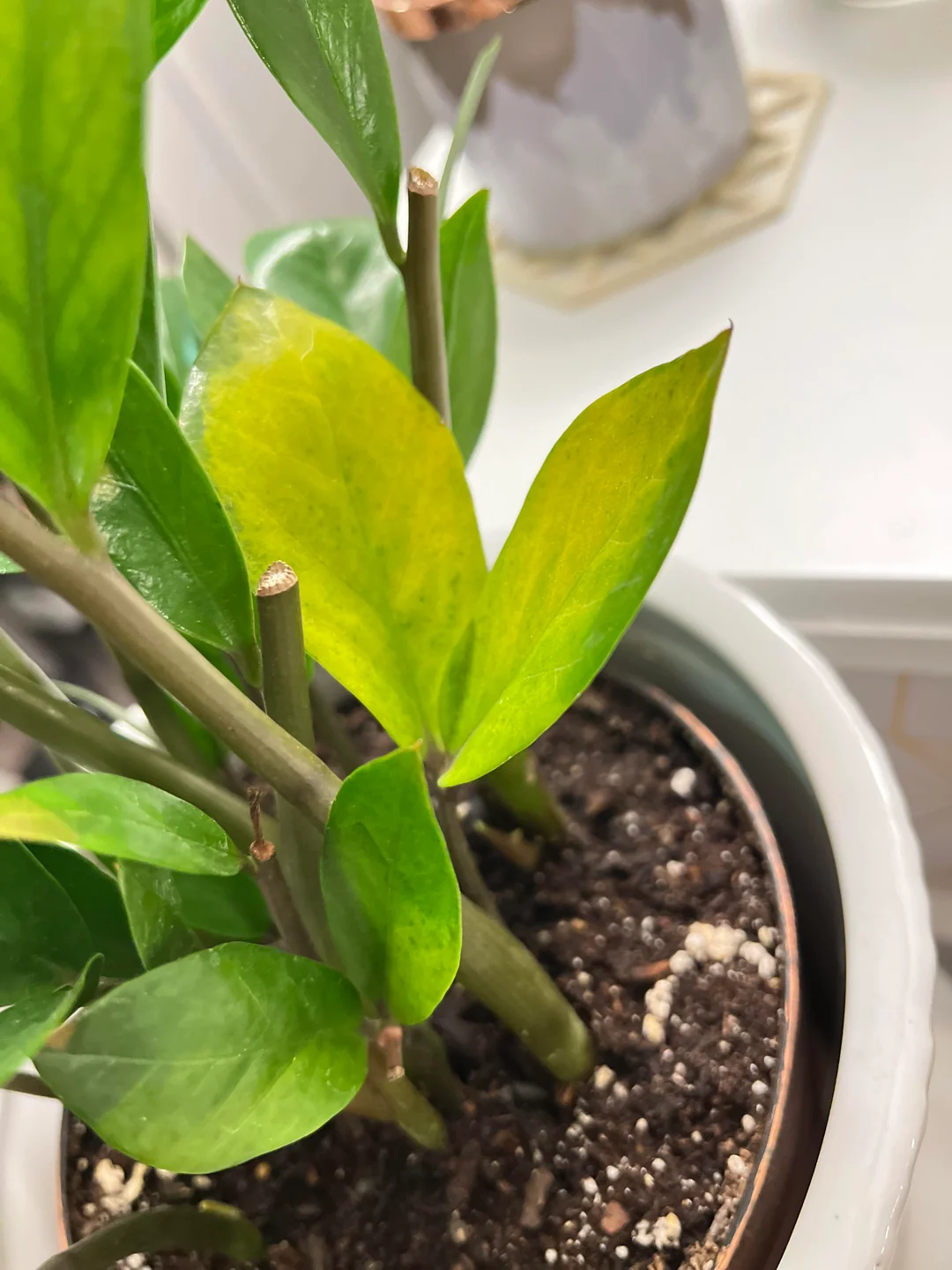
Seeing ZZ plant yellow leaves can be alarming, but don’t panic—yellowing foliage doesn’t always mean your plant is dying. From overwatering and poor drainage to natural aging and insufficient light, several common issues can cause ZZ Plant leaves to turn yellow. This guide will help you identify the real problem and show you exactly what to do to bring your plant back to healthy growth.
The ZZ Plant is famous for being one of the toughest and easiest houseplants to grow indoors. It can tolerate low light, survive periods of drought, and generally doesn’t demand constant attention. But even this incredibly resilient plant can develop yellow leaves from time to time.
If you’re dealing with ZZ plant yellow leaves, your first instinct might be to water the plant more or move it somewhere brighter. However, that can sometimes make the problem worse. ZZ Plants store water in their thick underground rhizomes, meaning they are much more sensitive to excess moisture than many other indoor plants. Yellow leaves are often your plant’s way of telling you that something about its growing conditions isn’t quite right. The good news? Most causes are easy to identify and fix once you know what to look for.
Whether your ZZ Plant has one yellow leaf or several, this guide will help you understand what’s happening, find the real cause, and make the right changes before the problem spreads.
Why Does My ZZ Plant Have Yellow Leaves?
ZZ plant yellow leaves are most commonly caused by overwatering, poor drainage, insufficient or excessive light, nutrient problems, temperature stress, or natural aging. Allow the soil to dry between waterings, use well-draining soil, provide bright indirect light, and remove severely damaged leaves to encourage healthier new growth.
A few yellow leaves don’t always mean something is seriously wrong. ZZ Plants naturally lose older leaves as they mature, so occasional yellowing can be completely normal.
However, if multiple leaves are turning yellow at the same time, especially if the plant is also drooping or the soil stays wet for days, you may have a care problem that needs immediate attention.
The most common causes include:
- Overwatering
- Poor drainage
- Underwatering
- Too little light
- Too much direct sunlight
- Nutrient deficiencies
- Temperature stress
- Natural aging
Let’s look at each cause and the best way to fix it.
1. You’re Overwatering Your ZZ Plant
The number one reason for ZZ plant yellow leaves is overwatering.
ZZ Plants naturally store water in their rhizomes and thick roots, allowing them to survive long periods without frequent watering. When you water too often, the soil remains wet for too long, reducing the oxygen available to the roots.
Over time, constantly wet conditions can damage the roots and eventually lead to root rot.
Signs of Overwatering
- Several leaves turning yellow
- Soft or mushy stems
- Constantly wet soil
- Drooping despite moist soil
- Unpleasant smell from the potting mix
- Black or brown roots
How to Fix It
Stop watering until the soil has had time to dry.
Check the roots if the soil remains wet for an unusually long time. If you find soft, black, or mushy roots, trim away the damaged sections with clean scissors and repot the plant in fresh, well-draining soil.
Going forward, allow the soil to dry significantly between waterings.
Remember: A ZZ Plant is much more likely to recover from being slightly underwatered than from consistently soggy soil.
2. Poor Drainage Is Trapping Water Around the Roots
Even if you’re watering correctly, your ZZ Plant can still develop yellow leaves if excess water can’t escape.
A container without drainage holes or heavy, compacted soil can keep moisture trapped around the roots. This creates the same conditions as overwatering.
Signs
- Soil stays wet for a week or longer
- Yellow leaves continue appearing
- Water collects at the bottom of the pot
- Soil feels dense and compacted
How to Fix It
Use a pot with drainage holes at the bottom.
Choose a light, well-draining potting mix that allows excess water to escape quickly. You can combine regular indoor potting soil with perlite or pumice to improve airflow and drainage.
Never leave your ZZ Plant sitting in water collected in a saucer or decorative container.
3. You’re Not Watering Enough
Although overwatering is the more common problem, underwatering can also cause ZZ plant yellow leaves.
ZZ Plants are drought-tolerant, but that doesn’t mean they can survive indefinitely without water. If the soil becomes completely dry for an extended period, the plant may begin using its stored moisture reserves.
Eventually, leaves may turn yellow, curl, become dry, and drop.
Signs of Underwatering
- Bone-dry soil
- Wrinkled or slightly shriveled stems
- Curling leaves
- Crispy yellow or brown leaves
- Leaves dropping from the plant
How to Fix It
If the soil is extremely dry, water the plant thoroughly until water flows from the drainage holes.
Allow all excess water to drain before returning the pot to its usual location.
After that, don’t immediately water again. Let the soil dry significantly before the next watering.
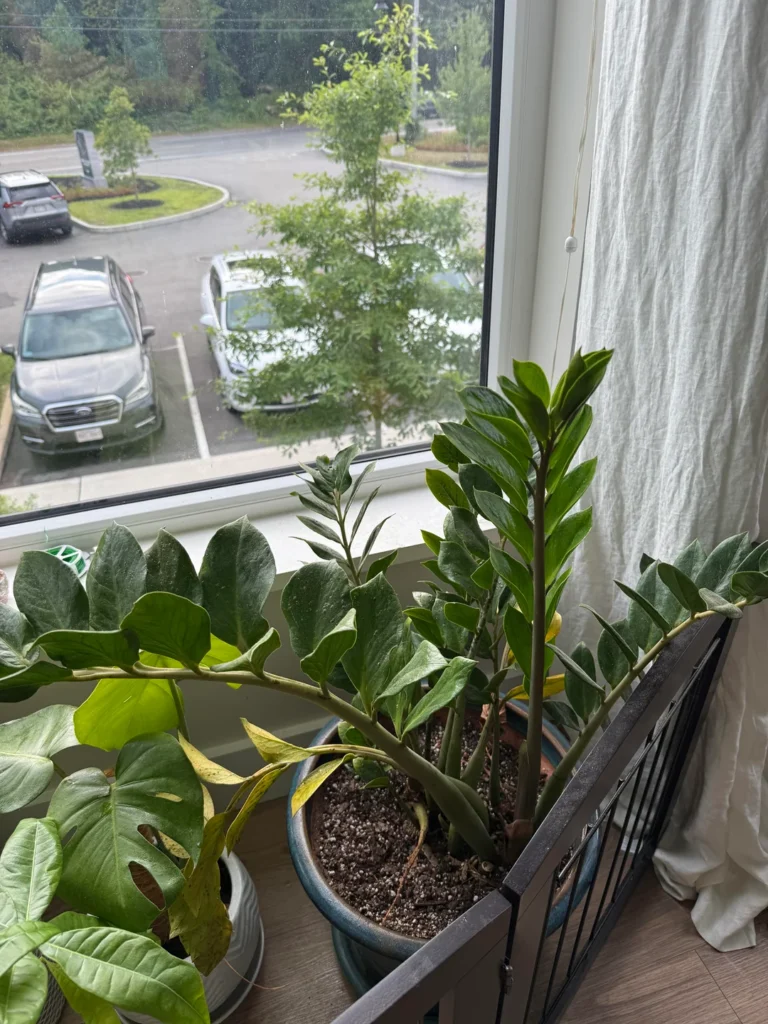
4. Your ZZ Plant Isn’t Getting Enough Light
ZZ Plants are famous for tolerating low light, but there’s an important difference between surviving and thriving.
A ZZ Plant can live in a dim room, but extremely low light may slow growth and contribute to yellowing leaves, especially when combined with excessive watering.
When there’s less light, the plant uses less water. If you’re watering according to a fixed schedule, the soil may remain wet for too long.
Signs
- Very slow growth
- Pale or yellowing leaves
- Long spaces between stems
- Soil stays wet for extended periods
How to Fix It
Move your ZZ Plant to a brighter location with indirect light.
Good options include:
- Near an east-facing window
- A few feet away from a bright south-facing window
- A bright north-facing room
Avoid placing the plant in harsh direct afternoon sunlight, which can scorch the leaves.
5. Too Much Direct Sunlight Is Stressing the Leaves
ZZ Plants prefer bright, indirect light, but intense direct sunlight can cause leaf damage.
If your plant is sitting directly in a hot, sunny window, the leaves may become pale, yellow, or develop brown patches.
Signs
- Yellow or bleached leaves
- Brown patches
- Scorched areas
- Dry, crispy foliage
- Faster soil drying
How to Fix It
Move the plant slightly farther away from the window or filter strong sunlight with a sheer curtain.
Bright filtered light provides enough energy for healthy growth without exposing the leaves to harsh rays.
6. Your ZZ Plant May Need More Nutrients
ZZ Plants aren’t heavy feeders, but they still need nutrients to maintain healthy growth.
If your plant has been growing in the same potting soil for years without fresh soil or fertilizer, nutrient levels may eventually become depleted.
Signs
- Pale green foliage
- Slow growth
- Smaller new leaves
- Older leaves gradually turning yellow
How to Fix It
Feed your ZZ Plant with a balanced liquid houseplant fertilizer during spring and summer.
Apply fertilizer according to the product instructions, and avoid overfeeding.
Too much fertilizer can cause salt buildup in the soil and damage the roots, potentially creating even more yellow leaves.
7. Temperature Stress Is Affecting Your ZZ Plant
ZZ Plants prefer warm, stable indoor conditions.
Sudden temperature changes, cold drafts, or exposure to air conditioning can stress the plant and contribute to yellowing leaves.
Signs
- Yellowing begins after a temperature change
- Drooping stems
- Slow growth
- Leaf drop
How to Fix It
Keep your ZZ Plant in a comfortable indoor temperature range of approximately 65°F–80°F (18°C–27°C).
Avoid placing it directly beside:
- Air conditioners
- Heating vents
- Drafty windows
- Exterior doors
A stable environment helps reduce unnecessary stress and supports healthy growth.
8. It Could Simply Be Natural Aging
Sometimes ZZ plant yellow leaves are completely normal.
As your plant grows, older leaves naturally age and eventually turn yellow before falling off. This is especially common with the oldest leaves near the bottom of each stem.
Signs
- Only one or two older leaves are affected
- New growth looks healthy
- The rest of the plant remains green
- No signs of root problems
How to Fix It
You don’t need to do anything drastic.
Once a leaf has completely yellowed, remove it with clean scissors or pruning shears.
If the plant continues producing healthy new growth, occasional yellow leaves are simply part of its natural growth cycle.
Quick Diagnosis Table
| Problem | Common Signs | Best Solution |
| Overwatering | Yellow leaves, wet soil | Let soil dry and reduce watering |
| Poor Drainage | Soil stays wet too long | Use drainage holes and airy soil |
| Underwatering | Dry soil, crispy leaves | Water thoroughly when needed |
| Low Light | Slow growth, pale leaves | Move to brighter indirect light |
| Too Much Sun | Yellow patches, scorching | Filter or reduce direct sunlight |
| Nutrient Deficiency | Pale foliage, slow growth | Feed lightly during growing season |
| Temperature Stress | Sudden yellowing, leaf drop | Maintain stable temperatures |
| Natural Aging | Older leaves yellowing | Remove aging leaves |
How to Stop ZZ Plant Leaves From Turning Yellow Again
Once you’ve identified why your ZZ Plant is turning yellow, the next step is preventing the problem from coming back. The key is to remember that ZZ Plants don’t need constant attention. In fact, too much care is often what causes problems in the first place.
Let the Soil Dry Between Waterings
The best watering routine is one based on your plant’s actual needs rather than a calendar.
Check the soil before watering. If the top several inches are still moist, wait.
Your ZZ Plant stores water in its rhizomes, so it prefers a period of dryness between thorough waterings.
During winter, you may need to water much less frequently because growth slows and the soil takes longer to dry.
Use the Right Pot
Your pot plays a bigger role in plant health than you might think.
Choose a container with drainage holes and avoid placing your ZZ Plant directly into a decorative pot without drainage.
If you’re using a cover pot, keep the plant in its nursery pot and remove it when watering.
This allows excess water to drain completely before returning the plant to its decorative container.
Improve Your Soil
Dense soil is one of the easiest ways to create root problems.
Use a loose, well-draining mix that allows water to move through the pot while still providing enough moisture for the roots.
A basic combination of indoor potting soil and perlite can work well for many ZZ Plants.
The goal is simple: water should drain away instead of staying trapped around the roots.
Give It Bright, Indirect Light
Although ZZ Plants tolerate low light, they generally grow better when placed in a brighter location.
A spot with bright, filtered light can encourage stronger growth while helping the soil dry at a healthier rate.
If your plant is in a very dark room, don’t suddenly move it into intense direct sunlight. Gradually adjust its location to avoid leaf stress.
Don’t Overreact to One Yellow Leaf
If you see one older leaf turning yellow, don’t immediately change your entire care routine.
Check the plant first.
Is the soil wet?
Are several leaves affected?
Does the plant have healthy new growth?
If everything else looks healthy, the yellow leaf may simply be reaching the end of its natural life cycle.
Overcorrecting by watering more or adding fertilizer can sometimes create a bigger problem.
Check Your Plant Before Every Watering
Make this a simple habit.
Before picking up your watering can, ask:
- Is the soil dry enough?
- Is the pot lightweight?
- Does the plant actually need water?
- Is the drainage working properly?
This takes less than a minute and can prevent many common ZZ Plant problems.
Remove Severely Damaged Leaves
Once a leaf is completely yellow, it won’t turn green again.
Use clean scissors to remove severely damaged foliage. This improves the plant’s appearance and allows you to focus on the healthier growth.
However, don’t remove every slightly yellow leaf immediately. First, identify the underlying cause.
Keep an Eye on the Rhizomes
The rhizomes are the secret to understanding your ZZ Plant.
These thick, potato-like structures store water and nutrients. When they are healthy and firm, the plant usually has a good chance of recovering from minor stress.
If you suspect root rot, inspect the roots and rhizomes carefully.
Healthy roots should be firm rather than soft or mushy.
Avoid Unnecessary Fertilizer
Yellow leaves don’t automatically mean your plant needs fertilizer.
If the real problem is overwatering or root damage, adding fertilizer can stress the plant further.
Only fertilize when the plant is actively growing and appears healthy enough to use the nutrients.
A little fertilizer is usually better than too much.
Frequently Asked Questions
Can yellow ZZ Plant leaves turn green again?
No. Once a leaf has completely turned yellow, it won’t return to green. However, correcting the underlying problem can help new leaves grow healthy.
How often should I water a ZZ Plant?
Water when the soil has dried significantly. ZZ Plants prefer to dry out between waterings, and the exact frequency depends on light, temperature, humidity, and pot size.
Is one yellow leaf on a ZZ Plant normal?
Yes. If only an older leaf is turning yellow while the rest of the plant looks healthy, it may simply be natural aging.
Should I cut off yellow ZZ Plant leaves?
You can remove leaves that are completely yellow or damaged using clean scissors. However, identify the cause first if multiple leaves are affected.
Can too much water cause ZZ Plant leaves to turn yellow?
Yes. Overwatering is one of the most common causes of yellow leaves and can eventually lead to root rot.
Does a ZZ Plant need direct sunlight?
No. Bright, indirect light is ideal. Direct afternoon sunlight can scorch the foliage.
Why are my ZZ Plant leaves turning yellow and falling off?
This is often linked to overwatering, root problems, or severe environmental stress. Check the soil moisture and roots first.
Can low light cause yellow ZZ Plant leaves?
It can contribute to yellowing, especially when combined with frequent watering. Low light also slows growth and causes the soil to remain wet longer.
Final Thoughts
If you’re dealing with ZZ plant yellow leaves, don’t panic. This incredibly resilient houseplant can often recover once you identify what’s causing the problem. In many cases, the solution is surprisingly simple: water less often, improve drainage, move the plant to brighter indirect light, or give it time to adjust to its environment.
The most important thing is not to react too quickly. One yellow leaf on an otherwise healthy plant may simply be natural aging, while several yellow leaves combined with soggy soil could indicate overwatering or root damage. Look at the entire plant—not just the yellow leaf—to understand what it’s telling you.
Remember that ZZ Plants are naturally drought-tolerant and store water in their rhizomes. They don’t need constant watering or daily attention to thrive. In fact, giving them too much care is often more damaging than giving them slightly less.
With the right balance of light, water, soil, and patience, your ZZ Plant can recover and continue producing glossy green foliage for years. Pay attention to the early warning signs, make gradual adjustments, and let the plant’s natural resilience work in your favor.
When your ZZ Plant turns yellow, don’t reach for the watering can first—check the soil, inspect the roots, and find the real problem before you act.

Sophie Bennett
Sophie Bennett is a Plant lover, chronic propagator, and firm believer that every room needs at least one Monstera. She writes about plant care, styling, and the joy of bringing the outdoors in keeping it honest, simple, and always beginner friendly.
Sophie Bennett
Sophie Bennett is a Plant lover, chronic propagator, and firm believer that every room needs at least one Monstera. She writes about plant care, styling, and the joy of bringing the outdoors in keeping it honest, simple, and always beginner friendly.
Get more inspiration
Subscribe for weekly plant care tips, grow guides, and fresh inspiration delivered straight to your inbox.