
Peace Lily Not Blooming? Top 8 Real Reasons
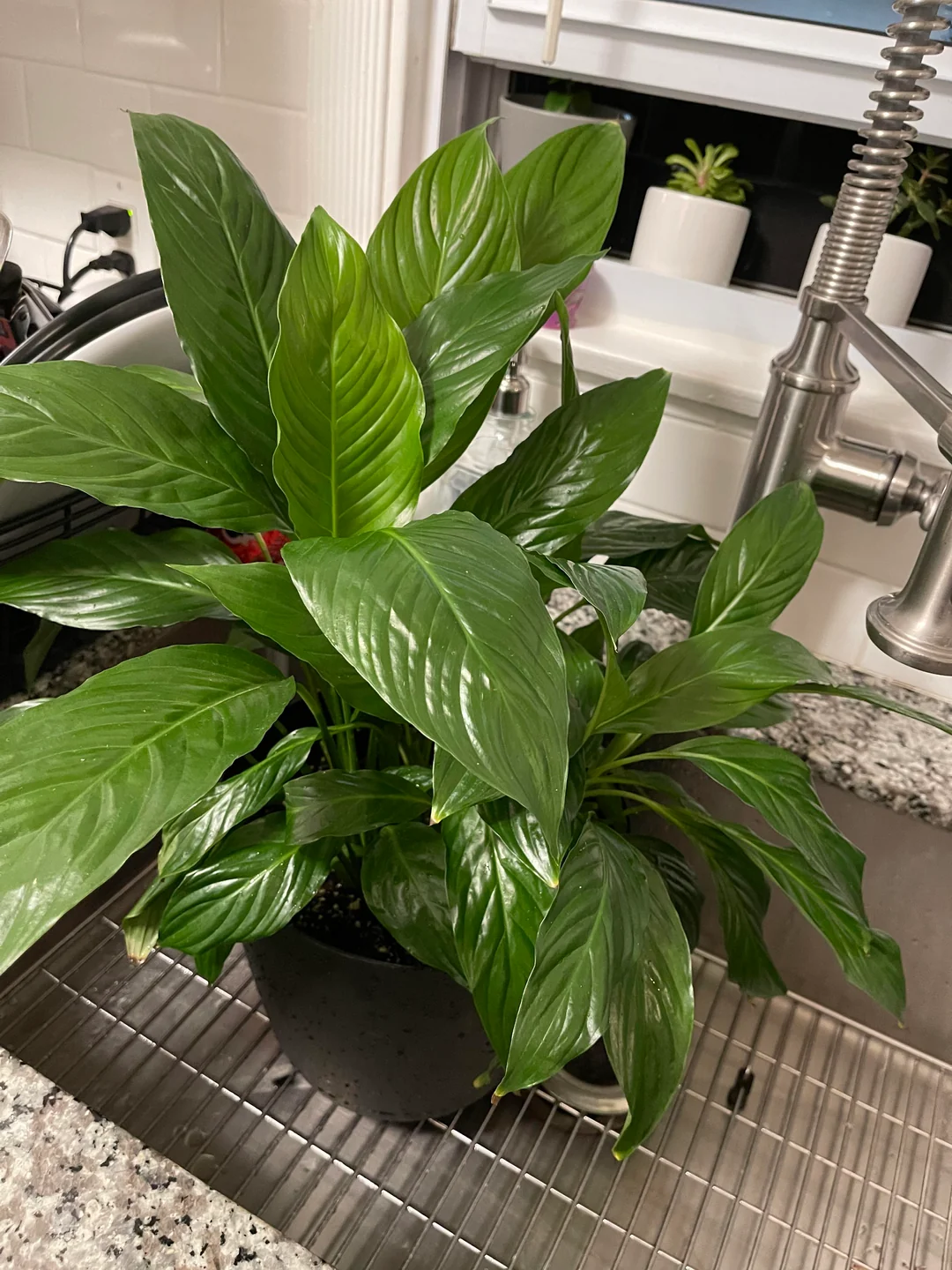
A peace lily not blooming can be disappointing, especially when the leaves look healthy but no white flowers appear. The good news is that blooming problems are usually caused by a few common care mistakes that are easy to fix. This guide explains the real reasons your peace lily isn’t flowering and how to encourage beautiful blooms again.
Peace lilies are one of the most popular indoor plants, admired for their glossy green leaves and elegant white blooms. While they’re relatively easy to care for, many plant owners eventually ask the same question: Why isn’t my peace lily blooming? If your plant looks healthy but refuses to produce flowers, don’t assume something is seriously wrong. In most cases, a peace lily not blooming is simply responding to its growing conditions. Factors like lighting, fertilizer, watering habits, and even the plant’s age all play important roles in flowering.
Why Is My Peace Lily Not Blooming?
A peace lily not blooming is usually caused by insufficient light, improper fertilizing, inconsistent watering, an immature plant, root-bound conditions, or seasonal dormancy. Providing bright indirect light, balanced fertilizer, and consistent care can encourage healthy blooms. Unlike some flowering houseplants, peace lilies won’t bloom just because they’re watered regularly. They need the right balance of light, nutrients, temperature, and overall care to produce their signature white spathes.
The good news is that once you identify what’s preventing blooms, your peace lily can often begin flowering again during its active growing season. Let’s look at the most common reasons your peace lily isn’t blooming and what you can do to fix the problem.
Reasons Why Peace Lily is not Blooming
A healthy peace lily should produce beautiful white flowers during its active growing season, usually in spring and summer. If your plant has stopped blooming or has never flowered, it’s likely missing one or more of the conditions needed for flower production.
The most common reasons include:
- Not enough light
- Too much or too little fertilizer
- Inconsistent watering
- Immature plant
- Root-bound growth
- Low humidity
- Cold temperatures
- Natural dormancy
1. Your Peace Lily Isn’t Getting Enough Light
The number one reason for a peace lily not blooming is insufficient light.
Many people believe peace lilies thrive in dark corners because they tolerate low light. While they can survive in these conditions, they rarely produce flowers without enough energy from sunlight. Flower production requires much more energy than leaf growth. If your plant isn’t receiving adequate light, it will focus on staying alive rather than blooming.
Signs
- Healthy green leaves but no flowers
- Slow growth
- Smaller leaves
- Long stems reaching toward light
How to Fix It
- Move your peace lily to a bright room with indirect sunlight.
- Place it near an east-facing window if possible.
- Avoid harsh afternoon sunlight that can scorch the leaves.
- Rotate the pot every few weeks for even growth.
Bright, indirect light is the single most effective way to encourage flowering.
2. You’re Using the Wrong Fertilizer
Many indoor gardeners either overfertilize or never fertilize at all. Too much nitrogen encourages lush green leaves but suppresses flower production. On the other hand, a complete lack of nutrients leaves the plant without enough energy to bloom.
Signs
- Lots of healthy leaves
- Fast leaf growth
- No flowers
- Pale new growth if nutrients are lacking
How to Fix It
- Feed with a balanced liquid houseplant fertilizer.
- Fertilize every 4–6 weeks during spring and summer.
- Avoid excessive nitrogen-heavy fertilizers.
- Stop feeding during winter dormancy.
Balanced nutrition supports both healthy foliage and beautiful blooms.
3. Inconsistent Watering
Peace lilies drooping is the main reason it happens dramatically when they’re thirsty. Although the plant recovers quickly after watering, repeated cycles of severe dryness and overwatering place it under stress. Stressed plants usually stop producing flowers because they redirect energy toward survival.
Signs
- Drooping leaves
- Brown leaf tips
- Yellow leaves
- Missed blooming season
How to Fix It
- Water when the top inch of soil feels dry.
- Keep the soil evenly moist but never soggy.
- Empty excess water from the saucer after watering.
Consistent moisture is one of the keys to reliable flowering.
4. Your Peace Lily Is Still Too Young
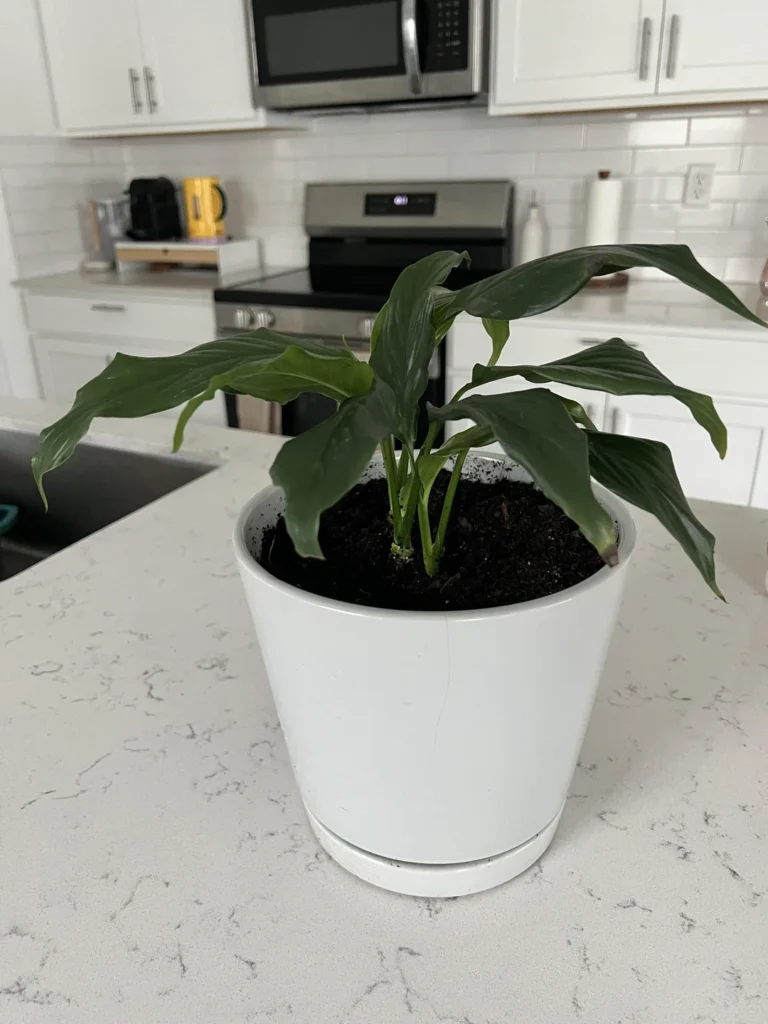
Sometimes there’s nothing wrong with your care routine. Young peace lilies simply aren’t mature enough to bloom.
Many plants sold in garden centers have been encouraged to flower using greenhouse conditions. Once those flowers fade, it may take time before the plant becomes mature enough to bloom naturally again.
Signs
- Small plant
- Healthy leaves
- Good growth
- No flower buds
How to Fix It
Continue providing:
- Be patient
- Bright indirect light
- Regular watering
- Monthly fertilizer during the growing season
- Warm indoor temperatures
As the plant matures and develops a stronger root system, flowering becomes much more likely.
5. Your Peace Lily Has Become Root-Bound
A peace lily not blooming may simply be running out of room to grow.
Peace lilies like being slightly root-bound, but when the roots completely fill the pot, they begin competing for water, nutrients, and oxygen. Instead of producing flowers, the plant focuses on surviving in its cramped space.
Signs
- Roots growing through drainage holes
- Water drains too quickly
- Slower overall growth
- Smaller new leaves
- No blooms despite healthy foliage
How to Fix It
- Repot into a container that’s only 1–2 inches larger than the current pot.
- Use fresh, well-draining indoor potting soil.
- Water thoroughly after repotting.
- Wait a few weeks before fertilizing.
Giving the roots a little more space often encourages vigorous growth and improves the chances of blooming during the growing season.
6. Low Humidity Is Reducing Flower Production
Peace lilies naturally grow in tropical rainforests where humidity levels are much higher than in most homes.
Although they can survive in average indoor humidity, dry air can slow growth and reduce flowering, especially during winter when indoor heating lowers moisture levels.
Signs
- Brown leaf tips
- Crispy edges
- Slow growth
- Healthy leaves but no flowers
How to Fix It
Increase humidity by:
- Using a humidifier nearby.
- Placing the pot on a pebble tray with water.
- Grouping houseplants together.
- Keeping the plant away from heating vents.
Maintaining humidity around 50–60% creates a more favorable environment for blooming.
7. Temperatures Are Too Cold
Peace lilies are tropical plants that prefer consistently warm conditions.
Cold temperatures or sudden drafts can interrupt their natural growth cycle and delay flowering.
Signs
- Slow growth
- No flower buds
- Drooping leaves
- Brown leaf edges after cold exposure
How to Fix It
Keep your peace lily in temperatures between 65°F and 80°F (18°C–27°C).
Avoid placing it near:
- Air conditioners
- Drafty windows
- Exterior doors
- Heating vents
Stable temperatures help the plant focus its energy on producing flowers instead of recovering from stress.
8. Your Peace Lily Is in Its Natural Resting Period
Sometimes there’s nothing wrong at all.
Like many flowering houseplants, peace lilies naturally slow their growth during fall and winter. During this resting period, they rarely produce flowers because they’re conserving energy for the next growing season.
Signs
- Healthy green leaves
- No flower buds
- Growth slows during colder months
- Plant otherwise looks healthy
How to Fix It
Continue normal care by:
- Providing bright, indirect light.
- Watering when the top inch of soil feels dry.
- Avoiding fertilizer during winter.
- Waiting for spring, when blooming usually resumes.
Patience is often the best solution.
Quick Diagnosis Table
| Reason | Common Signs | Best Solution |
| Low Light | Healthy leaves, no flowers | Move to bright indirect light |
| Wrong Fertilizer | Lots of leaves, no blooms | Use balanced fertilizer |
| Inconsistent Watering | Drooping, missed blooms | Keep soil evenly moist |
| Immature Plant | Healthy young plant | Give it time to mature |
| Root-Bound | Roots visible, slow growth | Repot one size larger |
| Low Humidity | Brown tips, slow growth | Increase humidity |
| Cold Temperatures | Slow growth, no buds | Keep temperatures stable |
| Seasonal Dormancy | Healthy but inactive | Wait for spring |
How to Encourage More Peace Lily Blooms
If your peace lily not blooming has become a yearly frustration, don’t worry. Flowering is rarely a matter of luck. It happens when your plant receives the right combination of light, water, nutrients, and consistent care over time.
Instead of focusing on quick fixes, create an environment that naturally supports flowering.
Prioritize Bright, Indirect Light
Light is the most important factor for flower production.
Place your peace lily near a bright window where it receives several hours of filtered sunlight each day. Avoid direct afternoon sun, but don’t keep it in dark corners either. A brighter location often produces noticeable improvements within a growing season.
Feed During Active Growth
Blooming requires energy. Use a balanced liquid fertilizer every four to six weeks during spring and summer to provide the nutrients needed for flower production. Avoid overfeeding, as excessive fertilizer can damage roots and reduce blooming.
Water Consistently
Peace lilies prefer evenly moist soil. Instead of following a watering schedule, check the soil regularly. Water when the top inch begins to dry, then allow excess water to drain completely. Consistent moisture keeps the plant healthy without encouraging root rot.
Keep Leaves Clean
Dust blocks sunlight and reduces photosynthesis. Every few weeks, gently wipe the leaves with a damp cloth. Cleaner leaves absorb more light, produce more energy, and better support flowering.
Repot Only When Necessary
A slightly root-bound peace lily often flowers well, but severely crowded roots reduce overall plant health. Repot every two to three years or whenever roots begin growing through the drainage holes. Fresh soil also replenishes nutrients and improves drainage.
Avoid Environmental Stress
Sudden changes in light, temperature, or watering can interrupt the blooming cycle. Try to keep conditions as stable as possible throughout the year. Small, consistent improvements usually produce better results than making dramatic changes all at once.
Be Patient
Even healthy peace lilies don’t bloom continuously. Most flowering occurs during spring and summer, and mature plants naturally produce more flowers than younger ones. With proper care, you’ll often see stronger growth first, followed by flower buds as the plant gains enough energy to bloom.
Frequently Asked Questions
How often should a peace lily bloom?
A healthy, mature peace lily typically blooms once or twice a year, usually during spring and summer.
Can low light stop a peace lily from flowering?
Yes. Low light is the most common reason peace lilies fail to bloom indoors.
Should I cut off old flowers?
Yes. Removing faded blooms encourages the plant to focus its energy on healthy new growth and future flowers.
Does fertilizer help peace lilies bloom?
Yes, but only when used correctly. A balanced fertilizer during the growing season supports flower production.
Why does my peace lily only grow leaves?
This usually indicates insufficient light or excessive nitrogen fertilizer.
Can a young peace lily bloom?
Young plants may need time to mature before producing flowers naturally.
Is winter the reason my peace lily isn’t blooming?
Possibly. Many peace lilies enter a resting period during winter and bloom again in spring.
Final Thoughts
A peace lily not blooming doesn’t always mean something is wrong with your plant. More often, it’s simply missing one or two essential conditions needed for flower production. Bright indirect light, balanced fertilization, consistent watering, moderate humidity, and warm temperatures all work together to encourage healthy blooms. By understanding what your peace lily needs and making a few thoughtful adjustments, you can create the ideal environment for flowering without relying on complicated care routines.
Remember that blooming takes time, especially with younger plants. Focus on maintaining healthy foliage first, because a strong, thriving plant is much more likely to reward you with elegant white flowers when the growing season arrives. With patience and consistent care, your peace lily can become a stunning centerpiece that produces beautiful blooms year after year.
Healthy roots, bright light, and consistent care are the real secrets to helping your peace lily bloom beautifully again.

Sophie Bennett
Sophie Bennett is a Plant lover, chronic propagator, and firm believer that every room needs at least one Monstera. She writes about plant care, styling, and the joy of bringing the outdoors in keeping it honest, simple, and always beginner friendly.
Sophie Bennett
Sophie Bennett is a Plant lover, chronic propagator, and firm believer that every room needs at least one Monstera. She writes about plant care, styling, and the joy of bringing the outdoors in keeping it honest, simple, and always beginner friendly.
Get more inspiration
Subscribe for weekly plant care tips, grow guides, and fresh inspiration delivered straight to your inbox.