
Brown Tips of Peace Lily Leaves? Fix It in 3 Steps
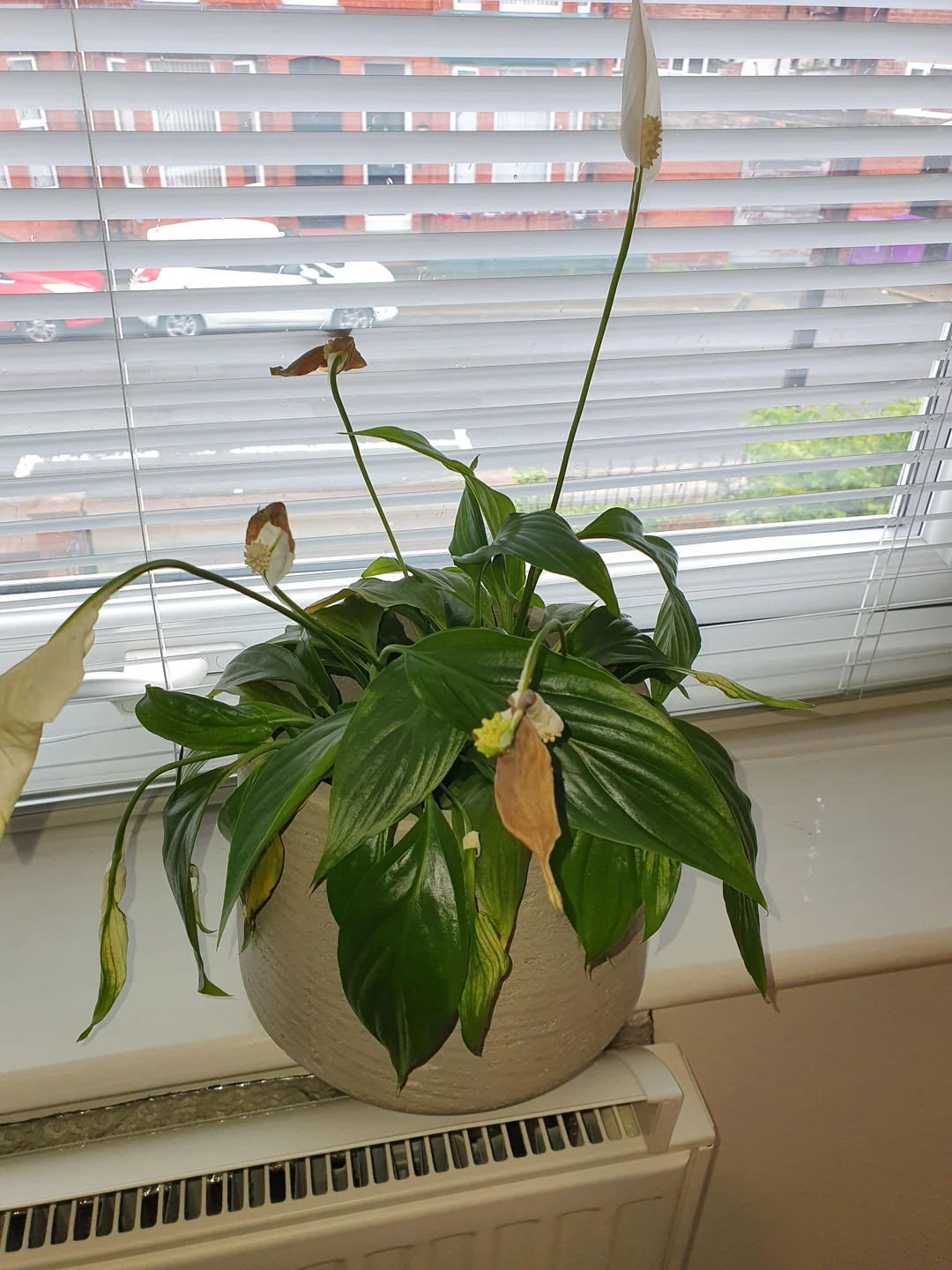
Noticing peace lily brown tips on your once-lush plant? Brown leaf tips are one of the most common problems for indoor peace lilies, but they’re usually easy to fix. This guide explains the real causes, shows you the fastest solutions, and walks you through three simple steps to restore healthy green foliage.
Peace lilies are known for their elegant white blooms and glossy green leaves, making them one of the most popular indoor houseplants. But even a healthy-looking plant can suddenly develop brown, crispy tips that make the foliage look damaged and neglected.
If you’re dealing with peace lily brown tips, don’t worry—this problem is incredibly common and rarely means your plant is beyond saving. In fact, brown tips are often your peace lily’s way of telling you that something in its care routine needs adjusting. Whether it’s inconsistent watering, low humidity, mineral buildup, or too much fertilizer, identifying the cause early can stop the damage from spreading.
The good news is that once you fix the underlying issue, your peace lily can continue producing beautiful, healthy leaves. In this guide, you’ll learn the most common reasons behind brown leaf tips and the simple steps you can take to help your plant thrive again.
Why Does My Peace Lily Have Brown Tips?
Peace lily brown tips are most commonly caused by underwatering, low humidity, excess fertilizer, mineral buildup from tap water, poor watering habits, or environmental stress. Correcting the cause and following a simple three-step care routine can prevent further browning and keep your peace lily healthy.
Brown leaf tips don’t appear without a reason. In most cases, they’re an early warning sign that your peace lily is experiencing stress. The damage usually begins at the very tip of the leaf before spreading along the edges if the underlying problem isn’t corrected.
The most common causes include:
- Underwatering
- Low humidity
- Too much fertilizer
- Tap water minerals
- Temperature stress
- Poor watering habits
- Natural aging
Let’s break down each one.
1. Underwatering Is Drying Out the Leaf Tips
The most common cause of peace lily brown tips is inconsistent watering.
Peace lilies like evenly moist soil. If the potting mix becomes completely dry for long periods, the leaf tips lose moisture first because they’re the farthest point from the roots.
Signs
- Dry soil
- Crispy brown tips
- Slight peace lily drooping
- Leaves curling inward
How to Fix It
- Water thoroughly when the top inch of soil feels dry.
- Allow excess water to drain completely.
- Don’t let the soil become bone dry.
- Use a consistent watering routine instead of a fixed schedule.
2. Low Humidity Is Causing Moisture Loss
Peace lilies are tropical plants that naturally grow in humid rainforests.
Indoor air—especially during winter—is often much drier than they prefer. When humidity drops too low, moisture evaporates from the leaves faster than the plant can replace it, leading to brown, crispy tips.
Signs
- Brown tips with otherwise healthy leaves
- Crispy edges
- Slow growth
- Dry indoor air
How to Fix It
Increase humidity by:
- Using a humidifier.
- Placing the pot on a pebble tray.
- Grouping houseplants together.
- Keeping the plant away from heating vents.
Humidity levels around 50–60% are ideal.
3. Too Much Fertilizer Is Burning the Leaves
Fertilizer helps peace lilies grow, but too much can do more harm than good.
Excess fertilizer leaves behind salts in the soil, which interfere with water absorption and cause leaf-tip burn.
Signs
- Brown tips after fertilizing
- White crust on the soil
- Healthy green leaves with burnt ends
- Slower growth over time
How to Fix It
- Stop fertilizing for a few weeks.
- Flush the soil thoroughly with clean water.
- Resume feeding only during spring and summer.
- Use a balanced liquid fertilizer at half strength.
Less fertilizer is often better than too much.
4. Minerals in Tap Water
One hidden cause of peace lily brown tips is mineral buildup from hard tap water.
Over time, minerals such as calcium, chlorine, and fluoride accumulate in the soil. Sensitive plants like peace lilies may respond by developing brown leaf tips even when every other aspect of care seems correct.
Signs
- Brown tips despite proper watering
- White deposits on soil surface
- Healthy overall growth
- No signs of pests
How to Fix It
- Use filtered, distilled, or rainwater when possible.
- Flush the soil every few months.
- Replace old potting soil every couple of years to remove excess mineral buildup.
Making this one small change often prevents recurring brown tips on new leaves.
5. Temperature Stress Is Damaging the Leaves
Peace lilies are tropical plants that prefer stable indoor temperatures. Sudden changes in temperature can stress the plant, causing the delicate leaf tips to dry out and turn brown. Cold drafts, air conditioners, heating vents, and windows with extreme temperature fluctuations can all contribute to peace lily brown tips, even if the rest of your care routine is perfect.
Signs
- Brown tips appearing suddenly
- Leaves curling slightly
- Slow growth
- Drooping after cold nights
How to Fix It
Keep your peace lily in temperatures between 65°F and 80°F (18°C–27°C).
Avoid placing it near:
- Heating vents
- Air conditioners
- Drafty windows
- Exterior doors
A stable environment helps the plant recover faster and prevents future leaf damage.
6. Poor Watering Habits
It’s not just how much you water that matters—it’s how you water.
Many people give their peace lily small amounts of water every few days. This only moistens the top layer of soil while leaving the lower roots dry. Over time, inconsistent watering stresses the plant and often results in brown leaf tips.
Signs
- Dry patches in the soil
- Brown tips on new leaves
- Uneven soil moisture
- Frequent drooping
How to Fix It
- Water deeply until water drains from the bottom.
- Let excess water drain completely.
- Water only when the top inch of soil feels dry.
- Never leave the pot sitting in standing water.
Deep watering encourages healthier roots and more consistent moisture.
7. Some Brown Tips Are Simply Natural
Not every brown tip is a sign of poor care.
As peace lilies age, older leaves naturally begin to decline. It’s perfectly normal for the oldest leaves near the base of the plant to develop brown tips before they eventually yellow and die.
This is simply part of the plant’s life cycle.
Signs
- Only older leaves affected
- New growth looks healthy
- No widespread browning
- Plant continues producing fresh leaves
How to Fix It
There’s nothing to worry about.
Simply trim away old, damaged leaves using clean scissors to keep your plant looking neat and encourage new growth.
Fix Peace Lily Brown Tips in 3 Simple Steps
Now that you know the possible causes, here’s the fastest way to stop peace lily brown tips from getting worse.
Step 1: Identify the Cause
Before making changes, inspect your plant carefully.
Ask yourself:
- Is the soil dry or constantly wet?
- Is the air in your home very dry?
- Have you fertilized recently?
- Are white mineral deposits visible on the soil?
- Is the plant sitting near a heater or draft?
Finding the correct cause prevents unnecessary treatments.
Step 2: Correct the Care Routine
Once you’ve identified the problem, make small adjustments instead of changing everything at once.
For example:
- Adjust your watering schedule.
- Move the plant to bright, indirect light.
- Increase humidity if needed.
- Flush mineral buildup from the soil.
- Reduce fertilizer if you’ve been feeding too often.
Consistency is far more effective than dramatic changes.
Step 3: Trim Damaged Tips
Brown tissue won’t turn green again.
Use clean, sharp scissors to trim the brown portions of each leaf.
For the most natural appearance:
- Follow the original shape of the leaf.
- Remove only the brown tissue.
- Avoid cutting into healthy green areas.
As new leaves emerge under better growing conditions, your peace lily will gradually regain its lush appearance.
Quick Diagnosis Table
| Problem | Common Signs | Best Solution |
| Underwatering | Dry soil, crispy tips | Water deeply |
| Low Humidity | Brown edges, curled leaves | Increase humidity |
| Excess Fertilizer | Burnt tips, white crust | Flush soil and reduce feeding |
| Tap Water Minerals | Brown tips despite good care | Use filtered or distilled water |
| Temperature Stress | Sudden browning | Keep temperatures stable |
| Poor Watering Habits | Uneven moisture, drooping | Water thoroughly when needed |
| Natural Aging | Older leaves only | Trim old leaves |
How to Prevent Brown Tips on Peace Lily Leaves
Once you’ve fixed the immediate problem, the next goal is preventing peace lily brown tips from returning. Fortunately, a few simple habits can keep your plant healthy and dramatically reduce the chances of brown, crispy leaf edges.
Keep a Consistent Watering Routine
Instead of watering on the same day every week, let the soil guide you.
Check the top inch of soil with your finger. If it feels dry, water deeply until excess water drains from the bottom. If it’s still moist, wait another day or two.
This prevents both underwatering and overwatering—two of the biggest causes of brown leaf tips.
Use Better Water
If your tap water contains high levels of chlorine or fluoride, consider switching to:
- Filtered water
- Distilled water
- Rainwater
These options are gentler on sensitive houseplants and help reduce mineral buildup over time.
If filtered water isn’t available, let tap water sit overnight before using it. This allows some chlorine to dissipate.
Maintain Moderate Humidity
Peace lilies thrive in humidity levels between 50% and 60%.
During winter or in dry climates, increase humidity by:
- Running a humidifier.
- Using a pebble tray.
- Grouping tropical plants together.
Even a small increase in humidity helps keep leaf tips soft and healthy.
Feed Sparingly
Fertilizer supports growth, but more isn’t always better.
Apply a balanced liquid fertilizer every four to six weeks during spring and summer.
Avoid fertilizing during winter when the plant naturally slows its growth.
Repot Every Few Years
Old potting soil becomes compacted and accumulates salts over time.
Repotting every two to three years gives your peace lily:
- Fresh nutrients
- Better drainage
- Improved airflow
- Healthier roots
Healthy roots produce healthier leaves.
Inspect Your Plant Regularly
Take a few minutes each week to examine your peace lily.
Look for:
- Brown tips
- Yellow leaves
- Drooping
- Pests
- Dry soil
Catching problems early makes them much easier to fix before they spread throughout the plant.
With consistent care, new leaves should emerge healthy, glossy, and free from brown tips.
Frequently Asked Questions
Can brown peace lily tips turn green again?
No. Once leaf tissue turns brown, it won’t recover. However, new leaves will grow healthy after the underlying issue is corrected.
Should I cut off brown tips?
Yes. Trim only the brown portion using clean scissors while following the natural shape of the leaf.
Does tap water cause brown tips?
Yes. Hard water and chemicals like fluoride or chlorine can contribute to brown leaf tips over time.
How often should I water a peace lily?
Water whenever the top inch of soil feels dry instead of following a fixed schedule.
Is low humidity responsible for brown tips?
Yes. Dry indoor air is one of the most common causes of crispy leaf edges.
Will new leaves have brown tips too?
Not if the underlying problem has been fixed. Healthy care habits usually produce clean, green new growth.
Final Thoughts
Seeing peace lily brown tips can be frustrating, but it’s usually your plant’s way of asking for a small adjustment rather than signaling a serious problem. Whether the cause is inconsistent watering, dry indoor air, excess fertilizer, mineral buildup, or temperature stress, identifying the issue early can prevent further damage and keep your peace lily looking its best. By following the three simple steps in this guide—identifying the cause, correcting your care routine, and trimming damaged tips—you’ll give your plant the best chance to recover and thrive.
Remember that healthy leaves begin with healthy roots and consistent care. Water wisely, maintain moderate humidity, use well-draining soil, and avoid sudden environmental changes. Over time, your peace lily will reward your efforts with lush green foliage, stronger growth, and the elegant beauty that makes it one of the most beloved indoor houseplants.
Healthy habits today will reward you with greener leaves, stronger growth, and a peace lily that stays beautiful all year long.

Sophie Bennett
Sophie Bennett is a Plant lover, chronic propagator, and firm believer that every room needs at least one Monstera. She writes about plant care, styling, and the joy of bringing the outdoors in keeping it honest, simple, and always beginner friendly.
Sophie Bennett
Sophie Bennett is a Plant lover, chronic propagator, and firm believer that every room needs at least one Monstera. She writes about plant care, styling, and the joy of bringing the outdoors in keeping it honest, simple, and always beginner friendly.
Get more inspiration
Subscribe for weekly plant care tips, grow guides, and fresh inspiration delivered straight to your inbox.